
The term “green cheese” often confuses many, stirring up questions about its meaning and origins. While it typically does not refer to an actual cheese, its historical and cultural significance is noteworthy. This article delves into what green cheese means, explores its background, and highlights how it fits into contemporary culinary lingo.
Understanding the metaphorical implications of green cheese can enhance your appreciation of its use in language and culture. Indeed, it serves as a unique peek into the interplay between food and expression. Let’s examine its origins, meanings, and how you might come across it today.
What Does Green Cheese Mean?
“Green cheese” is a term that historically referred to a type of cheese that is inexperienced or not fully cured, rather than being literally green in color. Today, it also appears in idiomatic expressions that imply something is naive or unrealistic.
The expression “the moon is made of green cheese” is particularly well-known. It suggests something fantastical or improbable, often used to humorously mock an absurd belief. This phrase has captured attention in literature, folklore, and everyday conversation, offering a blend of humor and cultural depth.
The Historical Context of Green Cheese
The etymology of “green cheese” can be traced back to the 14th century. At this time, “green” referred not only to color but also to youth or inexperience. In essence, “green cheese” described cheese that was young and not fully aged.
In its earliest usage, green cheese would have been a reference to soft or fresh cheeses that did not yet develop the robust flavors of aged varieties. The concept was simple; the younger the cheese, the softer, milder, and more pliable it was. This drastically differs from aged cheeses, which often possess strong flavor profiles that are much more complex.
Green Cheese in Cultural Expressions
One of the most notable idioms related to green cheese is the aforementioned saying about the moon. This phrase highlights the folly of believing in something implausible, acknowledging that certain ideas are far-fetched.
A variation can also be seen in political or cultural contexts, suggesting that people should be wary of unreasonable promises or ideas. This rich tapestry of expression ensures that the term remains relevant, even in contemporary settings.
Types of Cheeses Related to Green Cheese
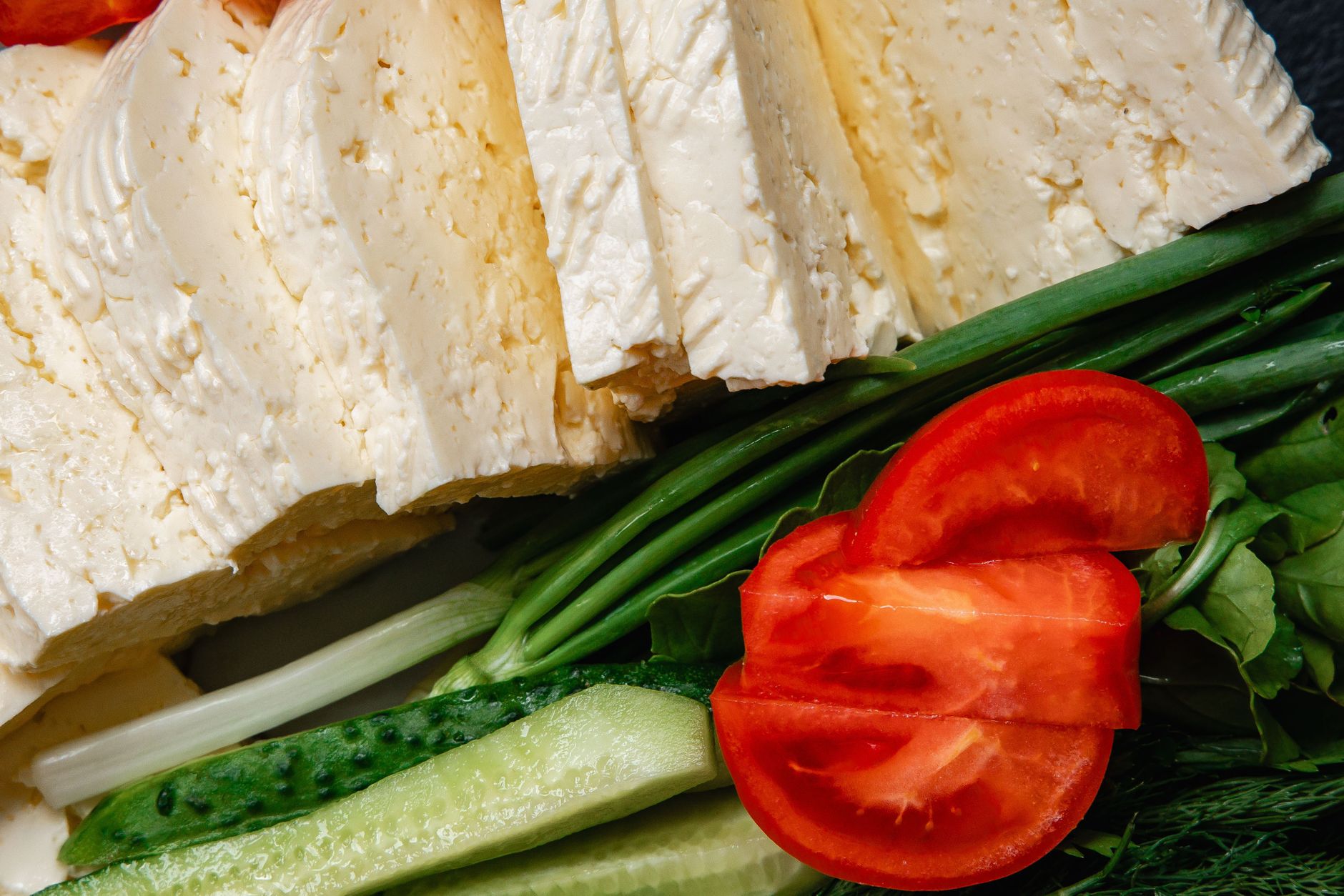
In a culinary context, when discussing “green cheese,” it may be useful to understand some types of fresh cheeses that exhibit characteristics similar to what might have been traditionally classified as green cheese. Here are a few notable varieties:
- Cottage Cheese: This is a fresh cheese made from curds of varying sizes. Its mild flavor and creamy texture make it versatile for various dishes.
- Ricotta: Another soft cheese, ricotta is creamy with a slightly sweet taste. It is commonly used in Italian dishes and desserts.
- Feta: Feta, particularly when young, can also imply a “green” quality. This tangy cheese is excellent in salads, pastries, and Mediterranean cuisines.
- Paneer: Widely used in South Asian cuisine, paneer is a fresh and non-aged cheese that adds a soft texture and mild flavor.
Using Young Cheeses in Cooking
Understanding the dynamic of young, fresh cheeses can enhance your culinary repertoire. Here are practical cooking methods and tips for incorporating these types of cheese into your meals:
1. Salads and Light Dishes
Fresh cheeses like cottage cheese or ricotta can be added to salads for a creamy texture without the heaviness of traditional dressings. Consider pairing:
- Cottage cheese with diced tomatoes, cucumbers, and a sprinkle of herbs.
- Ricotta with beets, arugula, and a drizzle of balsamic glaze.
2. Breakfast Ideas
Use green cheeses to elevate your breakfasts:
- Spread ricotta on toast and top it with seasonal fruits.
- Mix cottage cheese with granola and a drizzle of honey for a nutritious morning meal.
3. Baking and Desserts
Green cheeses can also find their place in baking:
- Ricotta can be included in pancakes for a moist texture.
- Cottage cheese can be used in cheesecakes or muffins for added protein and creaminess.
4. Cooking Tips
When cooking with fresh cheeses, avoid high heat as they can lose their texture and moisture. Instead, consider folding them into dishes at the end of cooking or using them as toppings to retain their fresh qualities.
Practical Substitutions
When green or fresh cheeses are required in a recipe, certain substitutions can provide similar texture and flavors. Here are some ideas:
- Greek Yogurt: A thick, tangy alternative that works well in dips and dressings.
- Mascarpone: A creamier option that adds richness, great for desserts.
- Tofu: For a dairy-free option, silken tofu can mimic the creaminess of fresh cheeses.
Keep in mind that while substitutions can work, the final taste profile might vary slightly, affecting the dish’s overall flavor. Adjust seasoning as necessary to achieve the desired results.
Common Mistakes when Working with Fresh Cheeses
Working with young or fresh cheeses can be a delightful experience, but certain pitfalls may arise. Here’s how to avoid them:
- High Heat Cooking: Avoid using a very high heat when cooking. Fresh cheeses can turn rubbery or curdled if subjected to such conditions.
- Incorrect Pairing: Some flavors overpower fresh cheeses. Balance is key; pair them with light, fresh flavors for the best results.
Storage and Shelf Life
Proper storage is essential for keeping fresh cheeses safe and flavorful:
- Keep them refrigerated and tightly sealed to prevent spoilage.
- Check for signs of spoilage, such as off odors, changes in texture, or mold that isn’t typical for that type of cheese.
- Fresh cheeses typically last for about a week past their sell-by date if stored properly, but it’s best to consume them as soon as possible for freshness.
Exploring Further Cultural References of Green Cheese
The idiom “green cheese” has varied applications in literature and media throughout history. Delving into these references can provide deeper insights:
- Literature: Poets and writers have often used the phrase to illustrate human folly. Investigate classic literature for nuanced interpretations.
- Folklore: Green cheese often appears in folklore, symbolizing the innocence and naïveté of belief.
This exploration of the cultural significance of green cheese demonstrates how food terms evolve and solidify in societal consciousness, often moving beyond their original meanings.
Conclusion
Understanding what green cheese means enriches your appreciation of culinary language and tradition. From its origins as a literal descriptor of young cheese to its metaphorical use in expressing improbability, green cheese serves as an interesting case study in food history.
Next time you encounter the phrase “green cheese,” whether in conversation, literature, or other cultural expressions, you’ll appreciate the rich history and nuance that accompany it. Explore more about fresh cheeses or discover new recipes that showcase their delightful qualities. Perhaps check out what Chihuahua cheese is or try your hand at making a cottage cheese dip recipe for an exciting culinary adventure.