
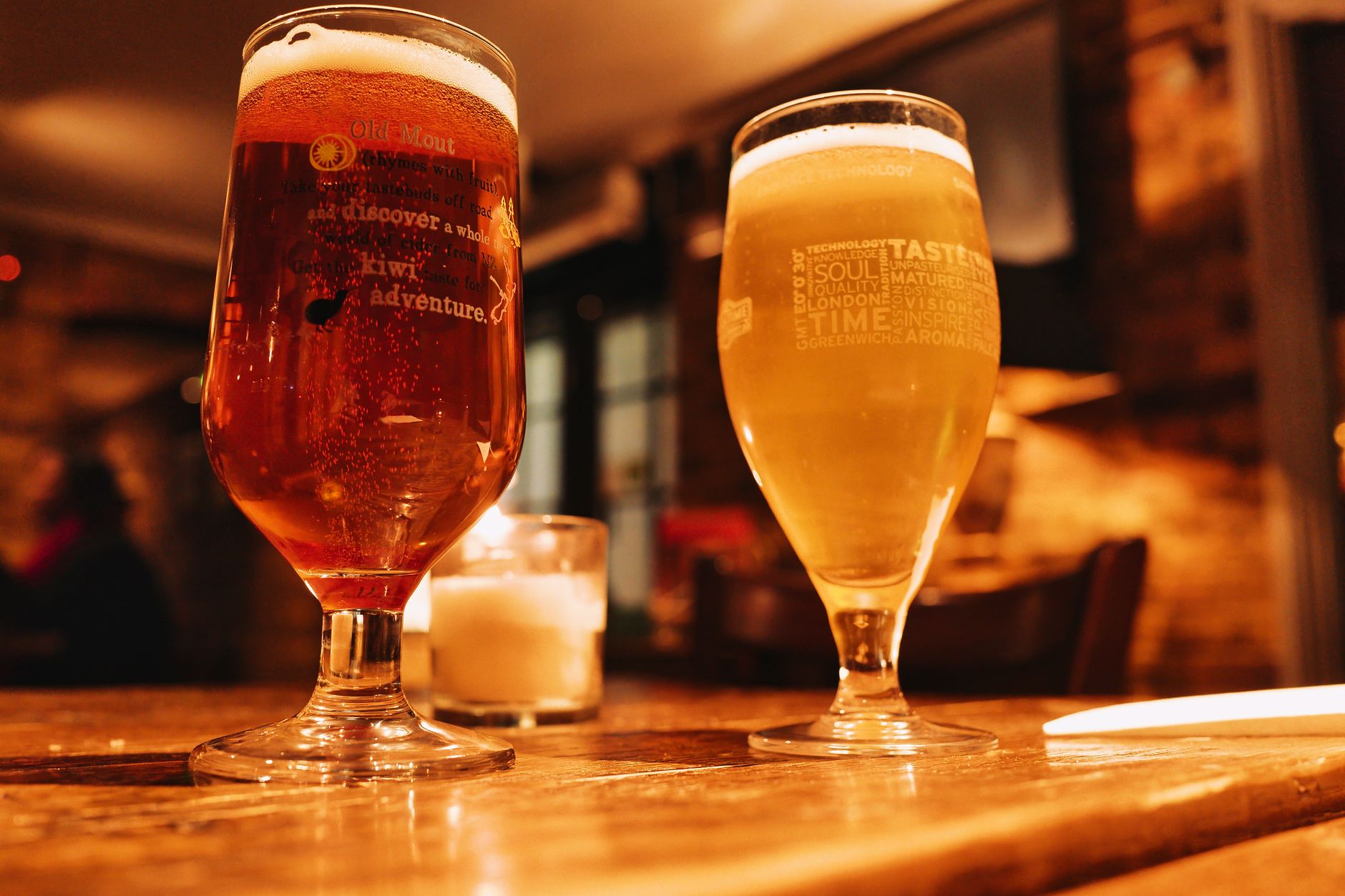
Garage beer has become a popular term in the craft brewing world, signifying a fresh and sessionable style that embodies a laid-back, communal atmosphere often associated with garage gatherings or backyard barbecues. It’s characterized by its easy drinkability, balanced flavors, and varying ingredients that inspire creativity among homebrewers.
This article will explore what garage beer is, its ingredients, the flavors you can expect, and how best to serve it. We will delve into the attributes that make this type of beer distinctive and enjoyable for social occasions.
What Is Garage Beer?
Garage beer typically refers to a type of craft beer made by homebrewers in their garage or outdoor spaces. These beers are often designed to be enjoyed in relaxed environments with friends and family. The primary aim is to create refreshing, drinkable, and flavorful brews that are perfect for casual drinking sessions.
Garage beer can take many forms, from pale ales to lagers, with a focus on creativity and versatility in brewing styles. Homebrewers are encouraged to experiment with different ingredients and techniques, leading to a wide range of flavors and profiles that can suit various tastes.
Ingredients of Garage Beer
The ingredients used in garage beer can vary significantly based on personal preferences and brewing goals. However, there are some common elements that serve as foundational components in many garage beer recipes.
Base Malts
Base malts are the primary fermentable source in any beer and are essential for providing the beer’s overall structure and flavor. Common base malts for garage beer include:
- 2-Row Pale Malt
- Maris Otter Malt
- Pilsner Malt
These malts contribute to the beer’s body and sweetness, offering varying levels of caramel and biscuity notes depending on the style and proportion used.
Specialty Malts
Specialty malts add complexity, color, and unique flavors to garage beer. These might include:
- Crystal Malt – adds sweetness and color
- Chocolate Malt – introduces roasted flavors
- Munich Malt – adds richness and maltiness
By selecting a variety of specialty malts, homeowners can achieve different characteristics and aromas in their beer.
Hops
Hops are crucial for imparting bitterness, flavor, and aroma to the beer. Garage beers often utilize a variety of hops, allowing for unique combinations and profiles. Common hop varieties include:
- Cascade – known for its floral and citrus aromas
- Centennial – offers a balance of floral and citrus with a hint of spice
- Simcoe – provides a complex aroma of pine, citrus, and earthiness
The timing of hop additions during the brewing process plays a significant role in the final taste, with early additions contributing to bitterness and later additions enhancing aroma.
Yeast
The yeast strain chosen for fermentation will greatly impact the beer’s flavor profile. Common yeast strains for garage beers include:
- American Ale Yeast – produces clean and well-rounded flavors
- Belgian Ale Yeast – adds fruity and spicy character
- Lager Yeast – creates crisp and clean profiles
Fermentation temperatures and conditions are also important for controlling the flavors created during the brewing process.
Water
The quality and mineral content of water can significantly affect the brewing process and the final taste of garage beer. The basic elements to consider include:
- Calcium – enhances malt profile
- Sulfates – accentuate hop bitterness
- Bicarbonates – soften the balance for maltier styles
Homebrewers should aim to understand their water there and adjust it if necessary to achieve the desired beer style.
Flavor Profiles of Garage Beer
Garage beer is known for its refreshing and approachable flavors, making it an excellent choice for social gatherings. The flavor profiles can vary widely, reflecting the creativity of their brewers.
Crisp and Clean
Many garage beers focus on delivering crispness and cleanliness, which is ideal for quenching thirst. Lagers, pilsners, and pale ales often dominate this style. These beers typically present:
- A light, golden color
- Minimal bitterness
- Subtle malty sweetness
Fruity and Citrusy
Many brewers experiment with hops to create fruity and citrusy flavors. Beers such as IPAs or pale ales can emit notes of tropical fruits, grapefruit, and orange. This profile often exudes:
- A moderate to high hop aroma
- Bitterness that complements the sweetness of the malt
- A vibrant and energizing character
Roasty and Malty
Another approach is to emphasize the malt character in garage beers, leading to robust flavors in stouts or porters. These beers typically exhibit:
- Dark brown to black color
- Rich flavors of chocolate, coffee, or caramel
- A smooth mouthfeel
How to Serve Garage Beer
Serving garage beer can elevate the overall drinking experience, and there are specific considerations to keep in mind to present it at its best.
Glassware
The right glass can enhance the aromas and flavors of your garage beer. Consider these options:
- Pilsner Glass – perfect for lagers and light ales, showcasing carbonation and clarity.
- Snifter – ideal for stronger and maltier beers, allowing aromas to concentrate.
- American Pint – a versatile option for most casual beers.
Temperature
Temperature plays a vital role in releasing the beer’s flavors and aromas. Generally, garage beers are best served at slightly cooler than room temperature, typically around:
- Light beers: 40-45°F (4-7°C)
- Malty beers: 45-50°F (7-10°C)
- Stronger beers: 50-55°F (10-13°C)
Allowing the beer to warm slightly after pouring can enhance its flavor profile.
Pairing with Food
Garage beers can be paired with a variety of foods to complement their flavors. Some suitable pairings include:
- Grilled vegetables and meats with sessionable ales
- Spicy wings with IPAs or pale ales
- Chocolate desserts with stouts or porters
Experimenting with flavor contrasts and harmonies can lead to delightful experiences.
Common Mistakes in Brewing Garage Beer
Even experienced brewers occasionally run into pitfalls while brewing garage beer. Recognizing common mistakes can help improve the quality of the final product.
Overlooking Sanitation
Sanitation is paramount in brewing. Neglecting to sanitize equipment can lead to off-flavors and spoilage. Always ensure that every item that comes into contact with the beer post-boil is thoroughly cleaned and sanitized.
Ignoring Temperature Control
Fermentation temperature has a direct impact on flavor. Failing to maintain the proper fermentation temperature can result in unwanted esters and phenols. Utilize a thermometer to monitor yeast activity and adjust conditions as needed.
Incorrectly Measuring Ingredients
Brew quality can suffer from imprecise ingredient measurements. Use a scale for dry ingredients and a liquid measuring cup for wet ones to achieve more consistent results.
Suggestions for Garage Beer Variations
Garage beer is all about creativity and personal flair. Here are some variations to spark your brewing imagination:
Fruited Beers
Add fruits such as cherries, peaches, or berries either during fermentation or secondary conditioning to impart refreshing fruitiness. Be cautious with amounts, as fruit flavors can be potent.
Spiced Beers
Incorporate spices like coriander, cinnamon, or ginger into the brewing process for unique flavor profiles. Use moderately, as spices can easily overpower the beer.
Barrel-Aged Variations
If you have access to barrels, consider aging your garage beer in them for added complexity and depth. Different barrels impart various flavors, such as vanilla from oak or smokiness from whiskey barrels.
Conclusion
Garage beer is a celebration of creativity, community, and enjoyable drinking experiences. By understanding its ingredients, flavor profile, and best serving practices, anyone can appreciate or even create their version of this versatile craft beer. The focus should always be on ensuring quality while embracing experimentation and fun.
To explore related topics, check out our guides on pilsners and learn how to make beer can chicken for your next gathering.