
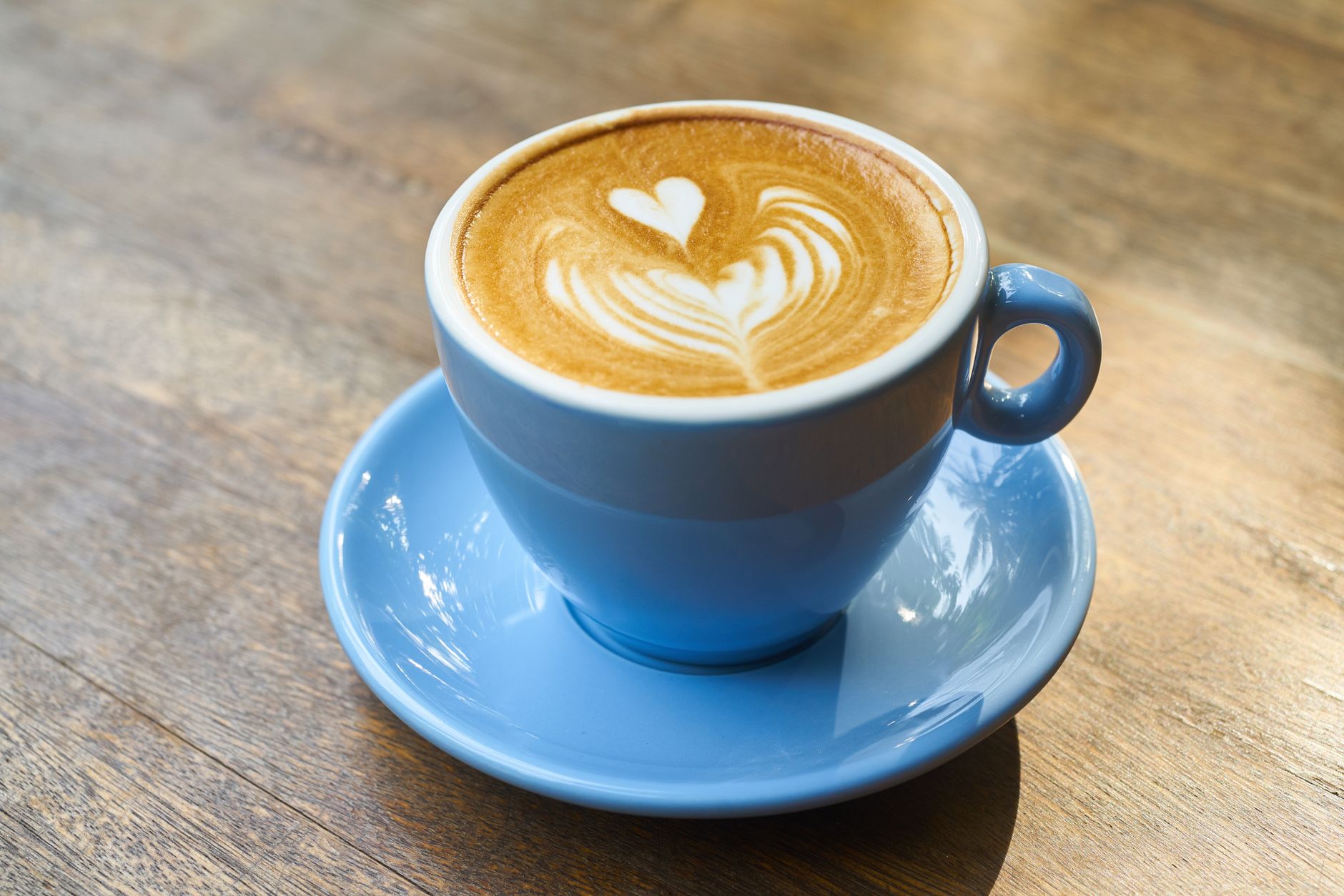
Coffee is one of the most beloved beverages worldwide, energizing millions each day. However, many coffee enthusiasts wonder about the safety and quality of coffee that has been left sitting out. This article will address the question, “How long can coffee sit out?” and provide insight into storage tips, shelf life, and best practices to ensure your coffee remains delicious and safe to drink.
Understanding the factors that affect coffee’s quality and safety can help you make informed decisions about what to do with that half-finished cup. Whether you prefer brewing a fresh cup daily or are curious about how to manage leftover coffee, this guide is here to help.
How Long Can Coffee Sit Out?
Generally, brewed coffee can safely remain at room temperature for up to four hours. After this timeframe, the flavor can significantly deteriorate, and the risk of bacterial growth increases as well. However, factors such as the environment, coffee type, and storage method can also impact how long coffee maintains its quality.
The Science of Coffee Storage
To effectively understand how long coffee can sit out, it’s essential to explore what happens to coffee as it ages. When coffee is brewed, it contains dissolved compounds that contribute to its flavor, aroma, and acidity. As time passes, these compounds begin to degrade due to exposure to air, light, and heat.
Chemical Changes in Brewed Coffee
The chemical composition of coffee changes the longer it sits. Initially, brewed coffee has balanced flavors and pleasant aromas. After a couple of hours, oxidation begins to occur, causing the coffee to taste stale or bitter. The acidity may increase, resulting in an unpleasant sour flavor.
Microbial Growth
While coffee itself has antimicrobial properties, once it reaches a certain temperature and sits out for too long, bacteria can start to flourish. Leaving brewed coffee at room temperature for longer than four hours can increase the risk of microbial growth, which may lead to potential food safety issues.
Storage Methods and Their Impact on Shelf Life
The way you store coffee affects its longevity and quality. Here are some common situations and their impact on brewed coffee:
- At Room Temperature: As mentioned, coffee can last up to four hours at room temperature. After this, the flavors will deteriorate, and the risk of bacterial growth may increase.
- In the Refrigerator: If you need to store leftover coffee, placing it in the refrigerator can extend its lifespan to about 1-2 days. However, the taste may still suffer, and you may notice changes in flavor when reheating.
- In the Freezer: Freezing brewed coffee is not common, but it can extend the shelf life to about a month. However, once thawed, the texture and flavor may be altered.
How to Store Coffee Properly
To ensure your coffee remains as fresh as possible, follow these storage tips:
Use an Airtight Container
Always store your coffee in an airtight container to minimize oxidation and moisture exposure. Consider using glass, ceramic, or high-quality plastic containers designed for coffee.
Keep it Cool and Dark
Heat and light can adversely affect the flavor of coffee. Store your coffee in a cool, dark place away from direct sunlight, such as a pantry or cupboard.
Don’t Keep Coffee in the Fridge
While it may seem logical to store coffee in the refrigerator, the temperature fluctuations and moisture can adversely affect the flavor. Instead, aim for a consistent temperature in a dark location.
Reheating Leftover Coffee
If you have leftover coffee that you want to enjoy later, reheating is a common practice. However, there are better methods to consider:
Stovetop Method
- Pour the leftover coffee into a small saucepan.
- Heat over low to medium heat, stirring frequently to ensure even warming.
- Remove from heat just before it reaches boiling.
- Serve immediately.
Microwave Method
- Pour the coffee into a microwave-safe mug.
- Heat in 30-second intervals, stirring in between to promote even heat distribution.
- Stop heating once the coffee is warm enough for your taste.
While reheating is an option, bear in mind that the quality of the coffee may be compromised, and it is best enjoyed fresh.
Common Mistakes to Avoid
When it comes to coffee storage and reheating, there are some common pitfalls that can impact flavor and safety:
- Leaving Coffee Uncovered: Always cover your coffee to prevent oxidation and contamination.
- Storing Coffee in the Wrong Location: Avoid storing coffee near heat sources like ovens or stoves.
- Not Cleanings Equipment: Ensure any coffee brewing equipment is properly cleaned to avoid residual flavors from previous brews.
How to Tell if Coffee Has Gone Bad
While brewed coffee doesn’t spoil in the same way that perishable foods do, there are signs that indicate it may be too far gone to enjoy:
Visual Indicators
If your coffee has developed a strange film or residue on the surface, this is a sign of spoilage. Additionally, if you notice an odd color change, it’s best to discard the coffee.
Smell Test
Fresh coffee has a pleasant aroma. If your coffee smells sour or strange, it is no longer good to drink.
When to Toss Your Coffee
To ensure safety and enjoyment, it is recommended to discard brewed coffee after:
- Four hours at room temperature
- Two days in the refrigerator
- One month in the freezer (with potential quality degradation)
Alternative Uses for Leftover Coffee
If you find yourself with leftover coffee that you don’t want to drink, consider alternative uses:
- Baking: Use brewed coffee in cake recipes or brownies for a rich flavor.
- Ice Cubes: Freeze leftover coffee in ice cube trays to use in iced coffee or smoothies.
- Cooking: Coffee can enhance the flavor of marinades or sauces for meats.
Summary
Knowing how long coffee can sit out and how to store it properly ensures you can enjoy your beverage at its best. Aim to consume brewed coffee within four hours of brewing and store any leftovers appropriately. By following these guidelines and tips, you can reduce waste and savor every drop of your favorite drink.
For more recipes or ideas to enhance your coffee experience, check out our protein coffee recipe or try making a caramel ribbon crunch frappuccino for a refreshing twist on your daily brew!