
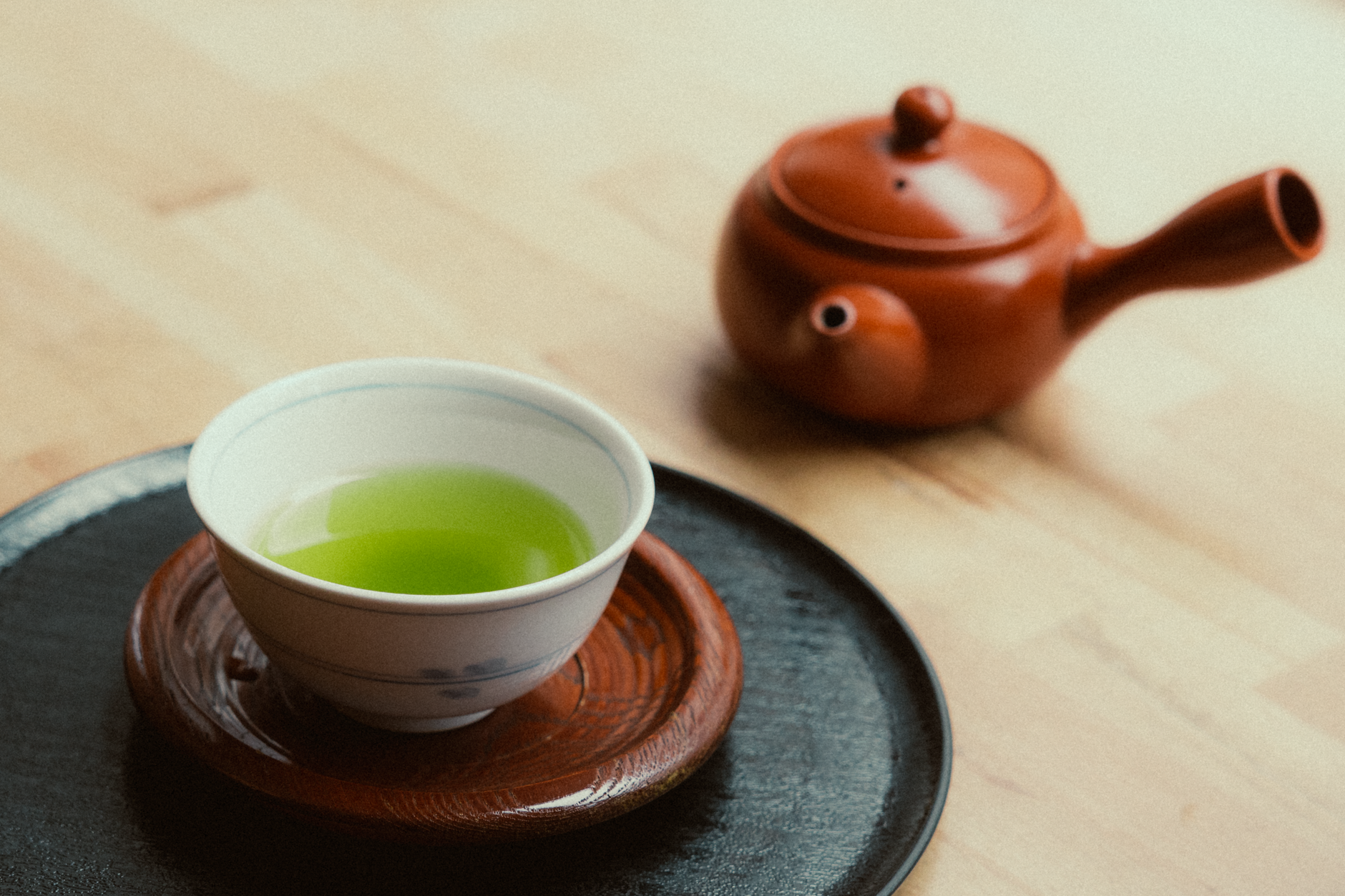
As pregnancy brings about numerous dietary changes and considerations, many expectant mothers may wonder about the safety of drinking green tea. Known for its various health benefits, green tea is a popular beverage consumed around the world. However, it is crucial to evaluate its safety during pregnancy alongside the benefits it offers.
This article delves deep into the topic of green tea consumption during pregnancy, touching on its components, recommended intake, potential benefits, risks, and alternative options. Understanding these aspects will help you make informed dietary choices as you navigate your pregnancy.
Is Green Tea Safe During Pregnancy?
Green tea is generally considered safe for most pregnant women when consumed in moderation. However, it is important to take into account its caffeine content and other compounds that may affect pregnancy. Consult your healthcare provider for personalized advice on incorporating green tea into your diet during this special time.
Understanding Green Tea: Composition and Benefits
Green tea is derived from the leaves of the Camellia sinensis plant and is known for its unique flavor and potential health benefits. Here are some key components and benefits of green tea:
- Caffeine: Green tea contains less caffeine than coffee, with approximately 20-45 mg per cup, depending on the brewing time and type. Caffeine can cross the placenta, so it’s important to monitor intake during pregnancy.
- Antioxidants: Rich in polyphenols, particularly catechins, green tea is celebrated for its antioxidant properties. These compounds help combat oxidative stress, which may contribute to various health issues.
- Weight Management: Some studies suggest that green tea might aid in weight management. Maintaining a healthy weight during pregnancy can contribute to the wellbeing of both mother and baby.
- Heart Health: The catechins in green tea may support heart health by improving cholesterol levels and blood pressure, which is especially significant for pregnant women.
- Digestive Health: Green tea may have prebiotic effects, promoting gut health, which can be beneficial for maintaining overall wellness during pregnancy.
Recommended Intake of Green Tea During Pregnancy
While green tea offers certain health benefits, it is essential to consume it in moderation. Generally, it is advisable for pregnant women to limit their caffeine intake to less than 200 mg per day. This means that two to three cups of green tea could fit within the recommended guidelines, depending on the strength and brew time.
It’s crucial to monitor the total caffeine intake from other sources, such as coffee, chocolate, and certain soft drinks, to avoid exceeding this limit. Always consider consulting your healthcare provider for tailored recommendations on caffeine consumption during pregnancy.
Potential Risks of Drinking Green Tea During Pregnancy
Though green tea has its advantages, there may be potential risks to consider during pregnancy:
- Caffeine Sensitivity: Pregnant women can become more sensitive to caffeine, leading to symptoms such as increased heart rate or anxiety. This sensitivity can vary from person to person.
- Iron Absorption: Tannins in green tea may inhibit the absorption of non-heme iron, a type of iron present in plant-based foods. This could be a concern, especially for those on a vegetarian or vegan diet.
- Herbal Additives: Some commercial green tea blends may contain herbal additives that are not safe during pregnancy. Always check the ingredients before consumption.
- Pregnancy Complications: While moderate green tea consumption is generally safe, excessive intake may be linked to pregnancy complications such as miscarriage in some studies, though the evidence is not conclusive.
Alternatives to Green Tea During Pregnancy
For those who love the flavor of green tea but are concerned about caffeine or other risks, there are several alternatives to consider:
- Herbal Teas: Caffeine-free herbal teas, such as rooibos or chamomile, can be soothing alternatives. However, check with a healthcare provider to ensure the specific herbal blends are pregnancy-safe.
- Decaffeinated Green Tea: Opting for decaffeinated green tea can allow you to enjoy the flavor and benefits with reduced caffeine content.
- Warm Water with Lemon: A simple and refreshing alternative, warm water with lemon offers hydration and some Vitamin C without caffeine.
- Fruit-Infused Water: Infusing water with fruits like berries, oranges, or cucumber can make for a flavorful yet healthy alternative to tea.
How to Incorporate Green Tea Safely Into Your Pregnancy Diet
If you decide to include green tea in your diet, here are some practical tips to enjoy it safely:
- Choose Quality Teas: Opt for high-quality green tea from reputable brands. Loose-leaf teas tend to have better flavor and quality than inexpensive bagged versions.
- Control Brew Time: Steeping green tea for a shorter time (1-2 minutes) can reduce its caffeine content and bitterness.
- Monitor Intake: Keep track of your daily caffeine intake to ensure you stay within safe limits.
- Pair with Food: Enjoy green tea with meals to minimize potential iron absorption issues. Pairing it with citrus fruits can enhance the absorption of iron from plant sources.
Common Questions About Green Tea During Pregnancy
Can I drink green tea in the first trimester?
Yes, moderate consumption of green tea is generally safe during the first trimester, but it is crucial to keep your total caffeine intake in check. Always consult your healthcare provider for personalized advice.
Is herbal green tea safe?
Herbal varieties of green tea may include additional ingredients that aren’t always pregnancy-safe. Always check the label to ensure that no harmful herbs are included.
What is the best time to drink green tea during pregnancy?
Green tea can be enjoyed throughout the day, but it’s best to avoid consuming it on an empty stomach. Pairing it with meals may mitigate any adverse effects on iron absorption.
Conclusion
Green tea can be a safe and enjoyable beverage during pregnancy when consumed in moderation. With its array of potential health benefits, it can complement a balanced diet. However, considering its caffeine content and potential risks is essential to ensure a healthy pregnancy. Always consult with a healthcare provider to tailor dietary choices to your specific health needs.
For more information on related topics, explore our guides on black tea and ginger. These ingredients can offer additional flavor and potential benefits to your pregnancy diet.