
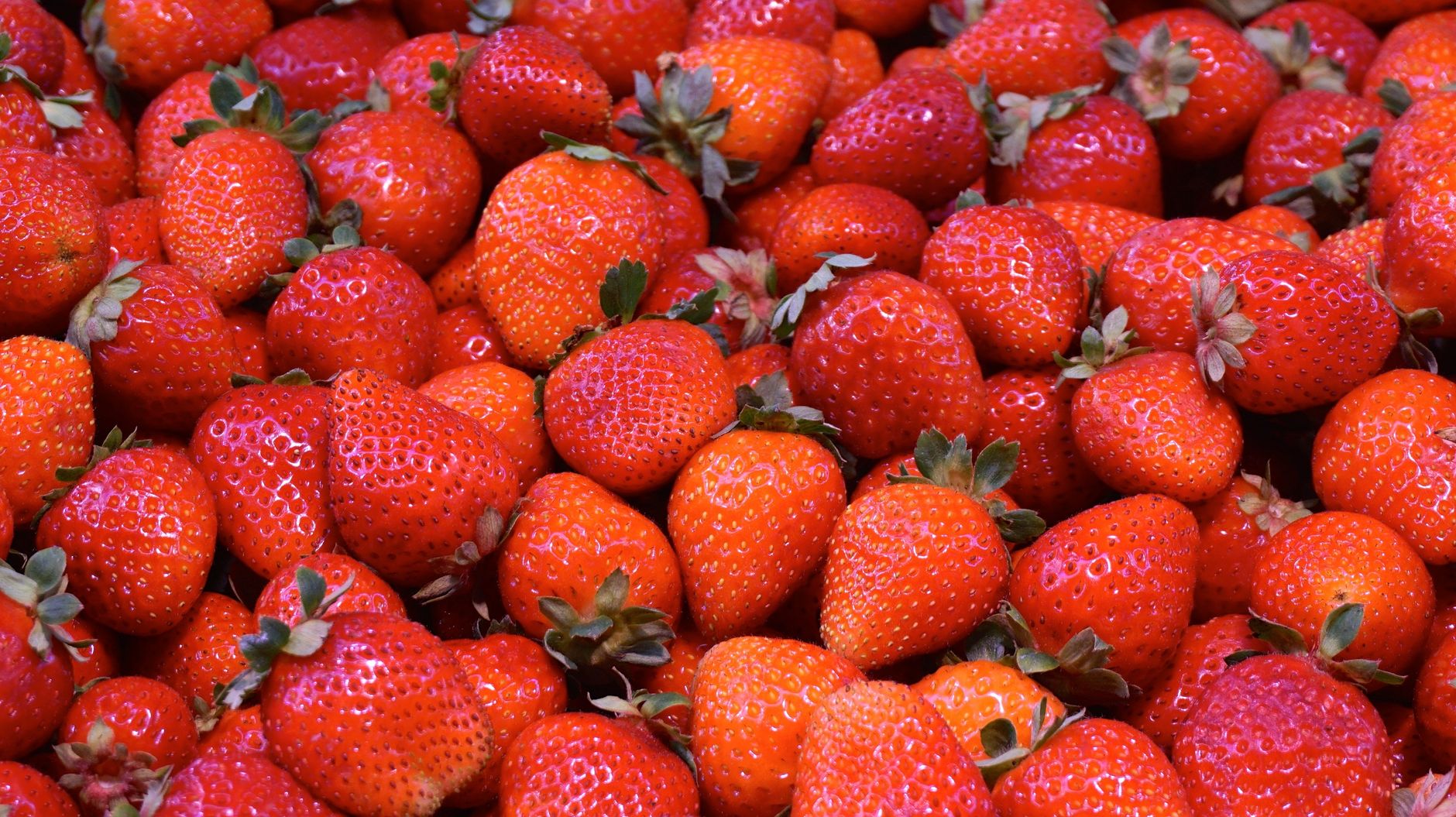
Strawberries are one of the most beloved fruits, known for their vibrant color, sweet flavor, and versatility in the kitchen. Whether you enjoy them fresh, in desserts, or as a topping, knowing how to properly store and maintain their freshness is essential. In this article, we will explore how long strawberries are good for, including storage tips, nutritional information, and portions.
Many factors influence the shelf life of strawberries, including their ripeness when purchased, how they are stored, and whether they are whole or cut. Understanding these variables will help you enjoy your strawberries at their best and minimize waste. Let’s dive into the details.
How Long Are Strawberries Good For?
The freshness of strawberries can vary based on several factors. Generally, fresh whole strawberries can last in the refrigerator for about 5 to 7 days. However, this timeframe may differ based on ripeness at purchase and storage conditions. Once sliced or cut, strawberries typically remain good for 1 to 3 days.
Factors Influencing Shelf Life
Several factors determine how long strawberries will remain good. Paying attention to these can significantly extend their shelf life.
1. Ripeness at Purchase
The ripeness of strawberries when you buy them can greatly affect how long they will last. Overripe strawberries will deteriorate faster than those that are still firm and slightly underripe.
2. Storage Conditions
How you store your strawberries is crucial. Strawberries are best kept in the refrigerator to slow down spoilage. Avoid washing them until you’re ready to eat, as excess moisture can promote mold growth.
3. Whole vs. Cut Strawberries
Whole strawberries have a longer shelf life compared to cut ones. Once you slice or chop them, it’s best to consume them within a day or two for optimal taste and texture.
4. Varietal Differences
Different strawberry varieties may have different shelf lives. For example, larger varieties might bruise more easily, leading to faster spoilage, while smaller ones might last longer due to their firmer structure.
Signs of Spoilage
Understanding how to identify signs of spoilage in strawberries will help you avoid consuming bad fruit. Here are key indicators that strawberries have gone bad:
- Mold: White or gray fuzz on the strawberries indicates mold growth.
- Softness: If strawberries feel mushy or overly soft, they may be past their prime.
- Discoloration: Dark spots or browning can be signs of decay.
- Off Smell: A sour or unpleasant odor is a clear indication that strawberries are no longer fresh.
Proper Storage Techniques
Storing strawberries correctly can help prolong their freshness. Here are some helpful tips:
1. Refrigeration
For longevity, store strawberries in the refrigerator. Keep them in their original container or spread them out in a single layer on a paper towel in a shallow container. Avoid piling them up, as this can lead to bruising and spoilage.
2. Avoid Washing Before Storage
Do not wash strawberries until you are ready to eat them. Excess moisture can lead to mold growth and spoilage.
3. Separate From Other Fruits
Strawberries produce ethylene gas, which can accelerate ripening in other fruits. Store them away from apples, bananas, or other ethylene-producing fruits to prolong freshness.
4. Use a Produce Drawer
Utilize the produce drawer in your refrigerator, which maintains a slightly higher humidity level, to help keep strawberries fresh.
Creative Ways to Use Strawberries
When you find yourself with more strawberries than you can eat, consider these creative options to use them up:
- Strawberry Smoothies: Blend strawberries with yogurt or milk for a refreshing drink.
- Strawberry Salad: Toss them in a salad with greens, nuts, and feta cheese for a sweet, savory combination.
- Desserts: Use strawberries in pies, tarts, or as toppings for cakes and cupcakes.
- Freezing: If you have too many strawberries, consider freezing them. They can last up to six months in the freezer.
Nutritional Value of Strawberries
Strawberries are not only delicious but also packed with nutrition. Here’s a brief overview of their nutritional profile:
- Low in Calories: A cup of halved strawberries contains about 50 calories.
- High in Vitamin C: Strawberries are an excellent source of vitamin C, essential for immune function and skin health.
- Rich in Antioxidants: They contain antioxidants like anthocyanins, which can help protect against oxidative stress.
- Dietary Fiber: Strawberries are a good source of dietary fiber which supports digestive health.
Portion Sizes
Understanding portion sizes is vital for making the most of your strawberries. Here are some standard serving suggestions:
- Whole Strawberries: One serving is typically about 8 medium-sized strawberries, which provides a satisfying snack.
- Diced Strawberries: A serving of diced strawberries is generally around 1 cup.
- For Desserts: When using strawberries in dishes, adjust your portions based on recipes, typically ranging from 1 to 2 cups.
Freezing Strawberries for Long-Term Storage
Freezing strawberries is an excellent way to extend their shelf life and enjoy them year-round. Follow these steps for freezing strawberries:
- Select Fresh Strawberries: Choose ripe, unblemished strawberries.
- Wash and Hull: Rinse them under cool water and remove the green tops.
- Slice (Optional): Depending on your preference, you can slice them or freeze them whole.
- Flash Freeze: Place them in a single layer on a baking sheet and freeze for about an hour until solid.
- Package for Freezing: Transfer the frozen strawberries into airtight freezer bags or containers, removing as much air as possible.
- Label and Store: Label the bags with the date. Frozen strawberries can be stored for up to six months.
Common Mistakes to Avoid
When it comes to handling strawberries, several common mistakes can lead to wastage and spoilage:
- Storing in Sealed Containers: Avoid sealing strawberries in airtight containers, as they need air circulation.
- Washing Before Storage: Only wash strawberries right before consumption to prevent mold.
- Ignoring Bruises: Bruised strawberries will spoil faster; be sure to check for damage before storage.
- Overcrowding: Avoid overcrowding strawberries in their storage container, which can lead to bruising.
When to Toss Strawberries
Once you notice any signs of spoilage, it’s essential to err on the side of caution. If any strawberries in a batch start to spoil, it’s wise to check the others meticulously. Discard any strawberries that show signs of mold, excessive softness, or off odors, as they can affect the quality of the others.
Creative Serving Suggestions
Strawberries enhance various dishes due to their sweet flavor and vibrant color. Here are some ideas for serving strawberries:
- Strawberry Jam: Use excess strawberries to make homemade jam, which can last for months when properly sealed.
- Strawberry Compote: Cook strawberries down with a little sugar to create a compote for drizzling over pancakes or yogurt.
- Chocolate-Dipped Strawberries: Dip fresh strawberries in melted chocolate for an indulgent treat.
Conclusion
Strawberries are a delightful and nutritious fruit, perfect for a variety of dishes. By understanding their shelf life, storage methods, and creative uses, you can enjoy strawberries at their best. Always remember to check for signs of spoilage and use them promptly to prevent waste. For those with surplus strawberries, freezing is a great option.
To explore more delicious ideas, check out our recipes for strawberry preserves and strawberry compote for ways to use your strawberries creatively.