
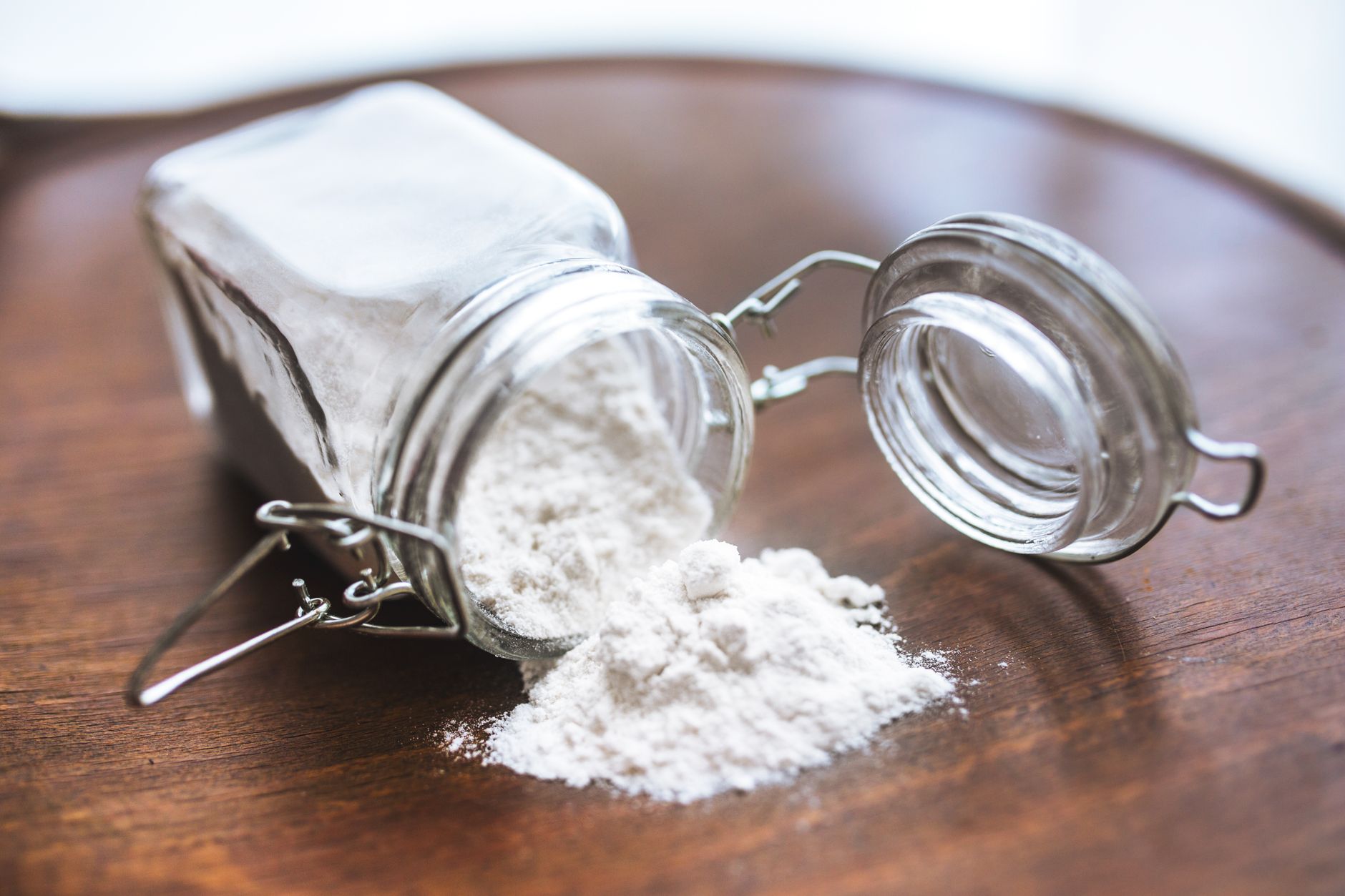
Baking powder is a vital ingredient in baking, acting as a leavening agent that helps baked goods rise. Understanding how it’s made can enhance your baking knowledge and empower you to experiment with homemade alternatives. This guide will explore the composition of baking powder, its manufacturing process, and tips for using it in the kitchen.
As a staple in many recipes, particularly for cakes, muffins, and quick breads, baking powder provides a light texture and desired lift. This article will take a closer look at the ingredients used in baking powder, how it’s produced, and some practical tips for working with it.
How Is Baking Powder Made?
Baking powder is primarily made from a combination of a base, an acid, and a moisture-absorbing agent. The most common base is sodium bicarbonate, also known as baking soda, while the acid can be found in substances like cream of tartar or monocalcium phosphate. The moisture-absorbing agent, typically cornstarch, prevents the mixture from reacting prematurely. This carefully balanced combination creates a deodorized, white powder capable of raising baked goods.
Ingredients of Baking Powder
To understand how baking powder is made, let’s break down its main ingredients:
- Sodium Bicarbonate: This is the base ingredient that releases carbon dioxide gas when it comes into contact with an acid and moisture.
- Acid: Common acids used in baking powder include cream of tartar and monocalcium phosphate. These acids react with sodium bicarbonate to produce carbon dioxide.
- Cornstarch: This ingredient acts as a drying agent, absorbing moisture to keep the baking powder dry and inactive until it’s mixed with wet ingredients in a recipe.
Manufacturing Baking Powder
The production of baking powder involves several key steps carried out in controlled environments to ensure consistency and quality.
- Ingredient Sourcing: Manufacturers begin by sourcing high-purity versions of sodium bicarbonate, acids, and cornstarch. Quality control starts at this stage to ensure the best performance in baking.
- Mixing: The sodium bicarbonate and acid are precisely measured and mixed together in specific ratios. The amount of cornstarch added varies based on the desired shelf life and moisture control.
- Drying: The blended ingredients are dried to remove any excess moisture. This step is crucial as moisture can initiate a premature reaction between sodium bicarbonate and acid, leading to reduced effectiveness when used in baking.
- Quality Testing: Samples from each batch undergo quality testing to ensure the right balance of leavening and no contaminants are present.
- Packaging: Once quality checks are completed, the baking powder is packaged in moisture-proof containers to preserve its potency and shelf life.
Types of Baking Powder
Baking powder can be categorized into two main types: single-acting and double-acting. Understanding the differences can help bakers choose the right type for their recipes.
Single-Acting Baking Powder
This type of baking powder reacts and produces carbon dioxide gas when it is mixed with moisture. Recipes using single-acting baking powder should be mixed and baked immediately for the best results, as its leavening power diminishes quickly.
Double-Acting Baking Powder
Double-acting baking powder contains two acids and releases carbon dioxide in two phases — once when mixed with wet ingredients and again when exposed to heat during baking. This makes it a more versatile option, as it allows for a longer mixing time before baking.
Using Baking Powder in Baking
Incorporating baking powder correctly into your recipes is crucial for achieving the desired results. Here are some tips for using baking powder effectively:
- Check Freshness: Baking powder loses its effectiveness over time. To test its potency, combine 1 teaspoon of baking powder with 1/3 cup of hot water. If it bubbles vigorously, it is still active.
- Measure Accurately: Use a measuring spoon to ensure the correct amount is added to your mixture. Too little may prevent proper rising, while too much can lead to a bitter taste and collapsed baked goods.
- Combine with Dry Ingredients: Mix baking powder with other dry ingredients like flour before adding wet ingredients to ensure even distribution and leavening action.
- Don’t Overmix: When baking, it’s crucial not to overmix your batter after adding baking powder. This can cause it to lose air and lead to dense results.
Baking Powder Substitutes
In situations where you run out of baking powder, there are several substitutes you can use. Here are some common alternatives:
- Baking Soda and Acid: To substitute for 1 teaspoon of baking powder, use 1/4 teaspoon of baking soda and 1/2 teaspoon of vinegar or lemon juice.
- Baking Soda and Buttermilk: For each teaspoon of baking powder, use 1/4 teaspoon of baking soda along with 1/2 cup of buttermilk as part of the liquid in your recipe.
- Baking Soda and Yogurt: Similarly, substitute 1 teaspoon of baking powder with 1/4 teaspoon of baking soda and an appropriate amount of yogurt (consider reducing the liquid in the recipe as yogurt is thicker).
Common Mistakes in Baking with Baking Powder
Baking can be science, and a few common mistakes can lead to unintended results. Here are some pitfalls to avoid:
- Using Expired Baking Powder: Always check the expiration date on your baking powder. Expired powders will not provide the necessary leavening.
- Incorrect Ratios: Using too little or too much baking powder can significantly affect the texture and flavor of your baked goods.
- Mixing Wet and Dry Too Early: If you mix your wet and dry ingredients too soon, you may not give the baking powder enough time to react properly.
Storage of Baking Powder
Proper storage of baking powder is essential to maintain its effectiveness. Here are some tips for ideal storage:
- Keep it Dry: Store baking powder in a cool, dry place. Moisture can activate the leavening action, which means it may lose power before you even get to use it.
- Seal Tightly: Ensure that the container is sealed tightly to prevent moisture from getting in. If it came in a cardboard container, consider transferring it to an airtight glass jar.
- Avoid Freezing: While some ingredients benefit from freezing, baking powder does not. Avoid this method, as it can cause moisture to form inside the container.
Conclusion
Understanding how baking powder is made and used is essential for anyone who enjoys baking. By being aware of its ingredients, types, and proper usage, you can achieve airy, fluffy baked goods every time. Experimenting with substitutes can also enhance your baking, especially when you encounter a pantry shortage.
Now that you know how baking powder works and how to use it effectively, consider exploring related topics like the differences between types of flour or the role of shortening in baking. Check out our articles on the difference between bleached and unbleached flour and what shortening is in baking for more insight into the ingredients that make your baked goods delicious.