
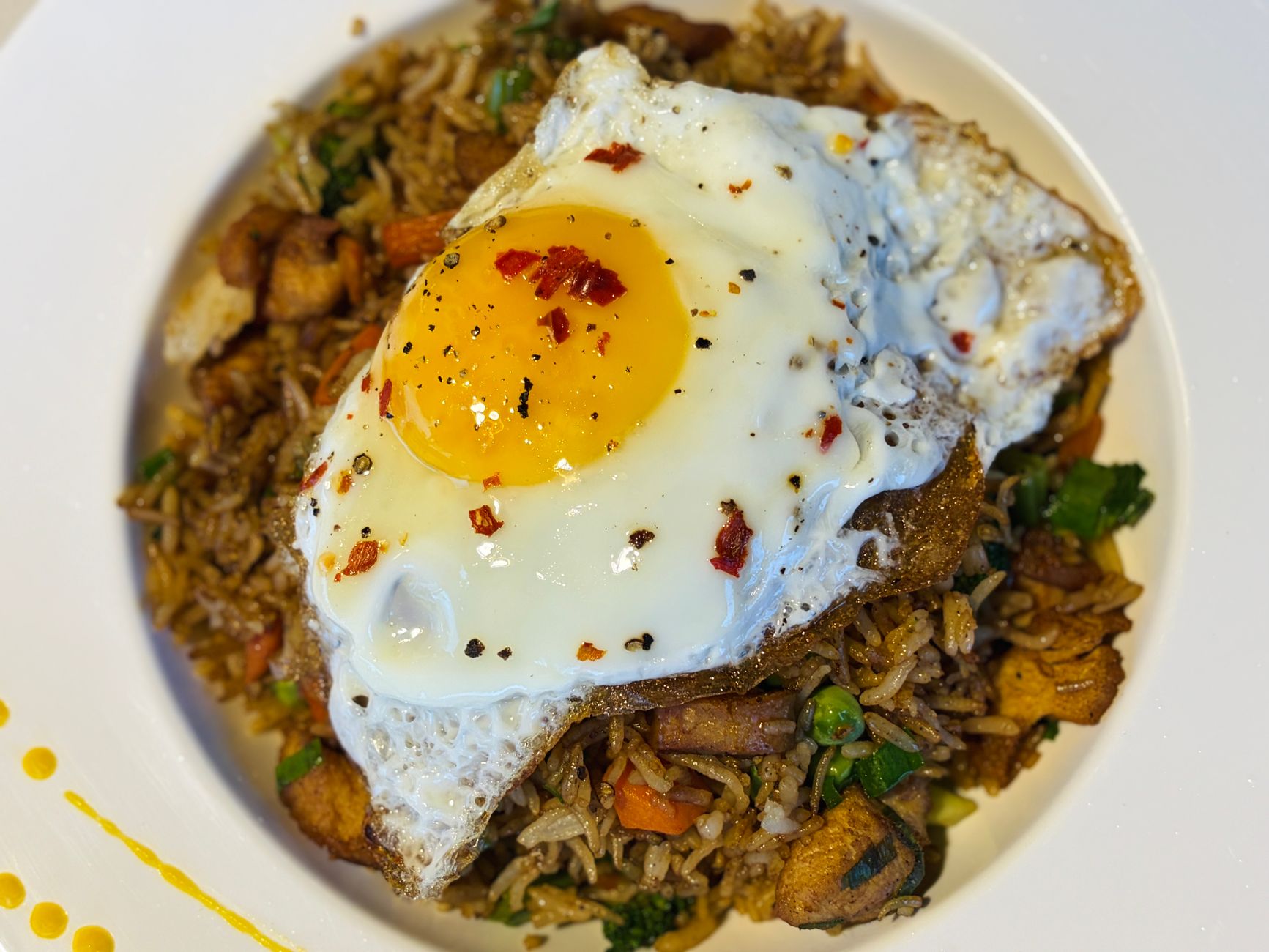
Dirty rice is a flavorful and hearty dish originating from Louisiana cuisine. It combines rice with a variety of meats, seasonings, and vegetables to create a satisfying and savory meal. The name “dirty” comes from the mixture of spices and ingredients that give the rice a speckled appearance. This dish is perfect for family gatherings or when you want a comforting meal packed with flavor.
Making dirty rice involves a medley of ingredients, including ground meats, herbs, and spices. The dish is versatile, allowing for numerous variations based on personal preferences or dietary restrictions. In this article, we will explore everything you need to know about how to make dirty rice, from the ingredients required to the cooking techniques that will help you achieve the perfect pot.
How Do You Make Dirty Rice?
To make dirty rice, you will need specific ingredients, cooking techniques, and an understanding of the dish’s flavor profile. Here’s a complete guide that answers how to create this delightful Southern staple.
Understanding Dirty Rice: Core Components
Dirty rice traditionally features a blend of meats, rice, and aromatic vegetables, along with a robust combination of spices. The key protein components are usually ground meats such as pork, beef, or chicken liver. The dish often includes the “holy trinity” of Cajun cooking, which consists of onion, bell pepper, and celery. The flavors are further enhanced by seasonings like cayenne pepper, garlic, and bay leaves.
Flavor Profile
Dirty rice has a rich, savory flavor profile, with a slight kick of spice from the seasonings. The combination of sautéed vegetables and meats adds depth and texture, maximizing the overall culinary experience.
Yield, Preparation, and Cooking Times
- Yield: 6-8 servings
- Preparation Time: 15 minutes
- Cooking Time: 40 minutes
- Total Time: 55 minutes
Ingredients Needed for Dirty Rice
- 1 pound ground beef or pork (or a combination)
- ½ pound chicken liver (optional, for an authentic flavor)
- 2 cups long-grain white rice
- 4 cups chicken broth
- 1 medium onion, diced
- 1 green bell pepper, diced
- 2 celery stalks, diced
- 3 cloves garlic, minced
- 2 teaspoons Cajun seasoning
- 1 teaspoon cayenne pepper (adjust to taste)
- 2 bay leaves
- Salt and black pepper, to taste
- 2 tablespoons vegetable oil or butter
Essential Equipment
- Large skillet or frying pan
- Medium pot with a lid
- Wooden spoon or spatula
- Measuring cups and spoons
- Knife and cutting board
Step-by-Step Instructions
- Sauté the Vegetables: In a large skillet, heat 2 tablespoons of vegetable oil or butter over medium heat. Add diced onions, bell peppers, and celery, sautéing them until they are softened and fragrant, about 5-7 minutes.
- Add the Meat: Increase heat to medium-high, and add the ground beef or pork. If using, also add the chicken liver at this point. Cook until the meat is browned and fully cooked, breaking it up with a spatula as it cooks (approximately 7-10 minutes).
- Incorporate Aromatics: Stir in the minced garlic, Cajun seasoning, cayenne pepper, salt, and black pepper. Cook for about 2 minutes, allowing the spices to become aromatic.
- Add Rice: Pour in the 2 cups of rice and stir thoroughly to coat the grains in the meat and vegetable mixture. Toasting the rice for 2-3 minutes can enhance its flavor.
- Combine with Broth: Gradually add the 4 cups of chicken broth and drop in the bay leaves. Stir well to combine, ensuring there are no clumps of rice.
- Bring to a Boil: Increase the heat until the mixture reaches a boil. Once boiling, reduce the heat to low, cover the pot, and let it simmer for 18-20 minutes, or until the rice is tender and the liquid is absorbed.
- Final Presentation: Remove from heat and let it sit covered for an additional 5 minutes. Fluff the rice with a fork, removing the bay leaves. Adjust seasoning if needed.
Practical Substitutions and Variations
While the traditional ingredients are flavorful, there are various substitutions and variations that you can explore.
- Proteins: Replace ground beef or pork with ground turkey or chicken for a lighter option. You can also mix in shrimp for a seafood version.
- Rice Alternatives: Brown rice can be used instead of white rice for added nutritional value but note that it usually requires more liquid and may take longer to cook.
- Vegetable Variations: Add diced tomatoes or green onions for additional flavor. You can also incorporate corn or other vegetables based on your preference.
- Vegetarian Version: For a meatless option, use vegetable broth and substitute the meat with beans or lentils to maintain protein content.
Common Mistakes and Troubleshooting Tips
While preparing dirty rice is straight-forward, a few common pitfalls can occur. Here’s how to avoid them:
- Overcooking the Rice: Make sure to monitor the rice closely during the last 5-10 minutes of cooking to prevent it from becoming mushy.
- Under-seasoning: Taste the dish before finishing and adjust seasoning to your preference. Dirty rice should be well-seasoned to bring out its flavors.
- Clumpy Rice: If your rice is clumping together, gently fluff it with a fork to separate the grains after cooking.
Serving Suggestions
Dirty rice pairs beautifully with a variety of dishes:
- Serve it alongside fried chicken, gumbo, or jambalaya for a true Southern feast.
- Top it with fresh parsley or green onions for a pop of color and flavor.
- Consider serving with a side of collard greens or cornbread to create a well-rounded meal.
Make-Ahead and Storage Guidance
Dirty rice can easily be made ahead of time, allowing flavors to meld together. Here’s how to manage leftovers:
- Make Ahead: Prepare the dish a day in advance and store it in an airtight container in the refrigerator. This gives the flavors time to develop further.
- Storing Leftovers: Leftover dirty rice can be stored in an airtight container in the refrigerator for up to 3 days.
- Freezing: You can freeze dirty rice for up to 2 months. Portions it out into freezer-safe bags, and label them with the date.
- Reheating: Reheat on the stovetop or microwave. Add a splash of broth or water if it seems dry to help regain the moisture.
Conclusion
Dirty rice is a versatile and fulfilling dish that caters to a variety of tastes and dietary preferences. With a combination of delicious ingredients and straightforward cooking methods, it’s an excellent choice for a family dinner or a social gathering. Experiment with different variations to make it your own!
For more delicious recipes, check out our seasoned rice recipe and Puerto Rican rice recipe.