
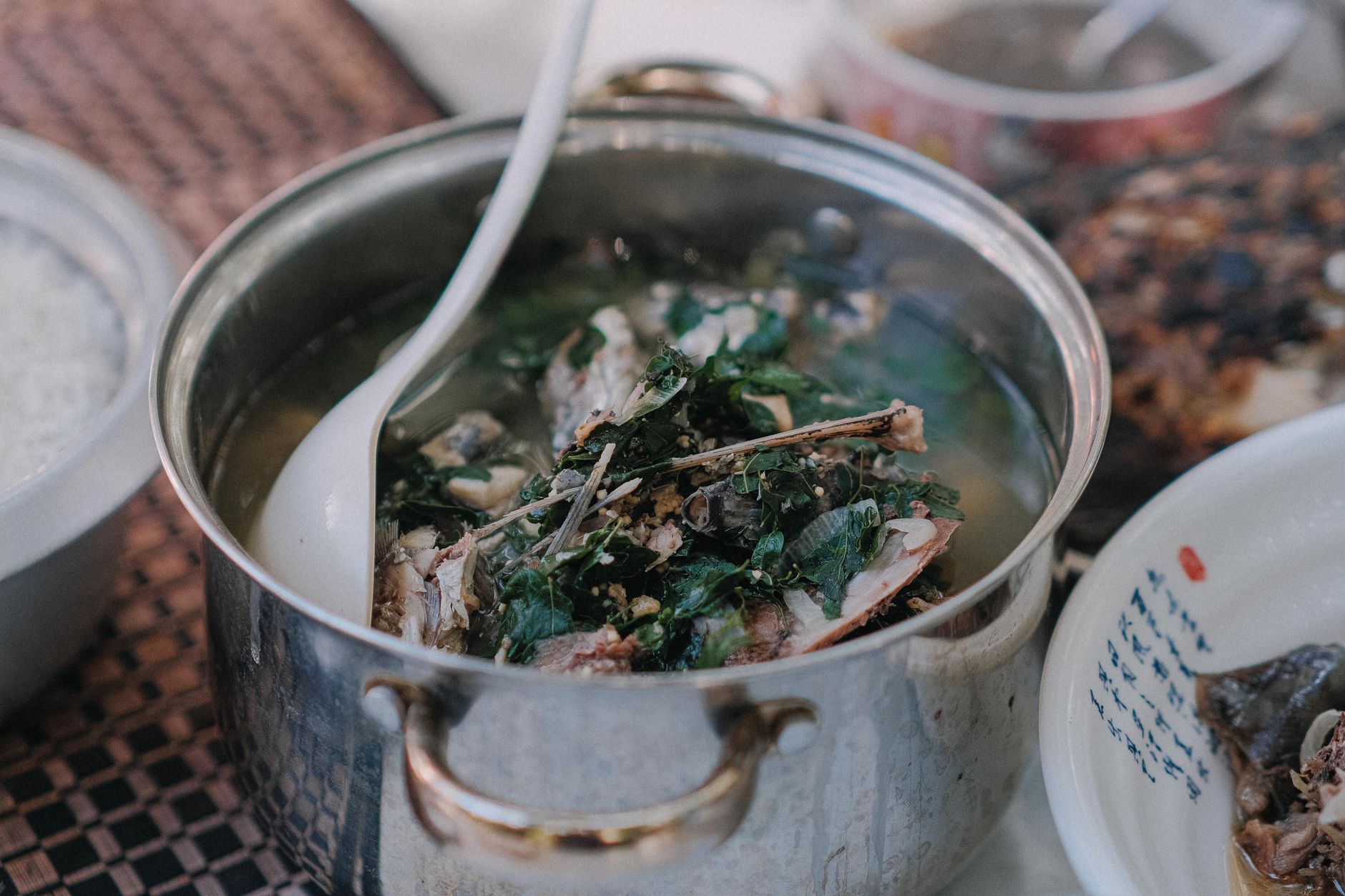
Bone broth has become increasingly popular due to its rich flavor and versatility in various dishes. Whether you enjoy it on its own, use it as a base for soups, or incorporate it into other recipes, making bone broth at home is a rewarding process that transforms leftover bones into a nutritious and flavorful liquid.
This guide will walk you through how to make bone broth, covering the essential ingredients, cooking methods, and practical tips for perfecting your broth every time.
How Do You Make Bone Broth?
To make bone broth, you’ll need high-quality bones, water, acid (like vinegar or lemon juice), and optional aromatic vegetables and herbs. The process typically involves simmering the bones for an extended period, which allows nutrients and flavors to infuse into the broth.
Understanding Bone Broth
Bone broth is a savory liquid made by simmering bones—often combined with meat, vegetables, and herbs—over a long period. The slow cooking process extracts collagen, gelatin, minerals, and other nutrients from the bones. This rich elixir is not only packed with flavor but is also thought to offer various health benefits, including supporting joint health and aiding digestion.
Ingredients for Bone Broth
- Bones: 2-3 pounds of bones (beef, chicken, turkey, or pork). Choose a mix of marrow bones, knuckle bones, and joints for optimal flavor and nutrition.
- Water: 10-12 cups (enough to fully cover the bones in the pot).
- Acid: 2-3 tablespoons of apple cider vinegar or lemon juice to help extract nutrients from the bones.
- Aromatic vegetables (optional): 1 onion (quartered), 2 carrots (chopped), 2 celery stalks (chopped), and 2-3 garlic cloves (smashed).
- Herbs and spices (optional): A few sprigs of thyme, parsley, or bay leaves; salt and pepper to taste.
Essential Equipment
- Large stockpot or Dutch oven (or a slow cooker)
- Strainer or cheesecloth
- Ladles and measuring cups
- Storage containers (glass jars or airtight containers)
Step-by-Step Method for Making Bone Broth
- Prepare the bones: If you are using raw bones, you may want to roast them in a preheated oven at 400°F (200°C) for 30-45 minutes until browned. This step enhances the flavor of your broth.
- Combine ingredients: Place the roasted or raw bones in a large stockpot or Dutch oven. Add water, making sure the bones are fully submerged. Add the apple cider vinegar or lemon juice, along with any vegetables and herbs if using.
- Bring to a boil: Heat the pot over medium-high heat until it reaches a rolling boil.
- Simmer: Once boiling, reduce the heat to low, cover the pot, and let it simmer. For chicken bones, simmer for 6-12 hours. For beef or pork bones, simmer for 12-24 hours. The longer the simmer, the richer the flavor.
- Skim impurities: Occasionally skim off any foam or impurities that rise to the top during the first hour of simmering.
- Strain the broth: After the cooking time is complete, carefully strain the broth using a strainer or cheesecloth to remove all solid ingredients. Discard the solids.
- Cool and store: Let the broth cool down at room temperature for about an hour. Then, transfer it to storage containers. It will keep in the refrigerator for up to a week or in the freezer for several months.
Practical Variations and Substitutions
While the basic method for bone broth remains the same, here are some variations and substitutions to consider:
- Bone types: You can use a variety of bones, such as chicken backs, wings, necks, or feet for chicken broth, or oxtail and beef bones for beef broth.
- Vegetables: Feel free to include other vegetables like leeks, parsnips, or mushrooms for additional flavors.
- Herbs: Experiment with herbs like dill or marjoram to tailor the broth to complement certain dishes.
- Flavoring additions: For an Asian twist, add ginger, lemongrass, or star anise for depth and complexity.
Common Mistakes and Troubleshooting
Making bone broth is generally straightforward, but here are some common pitfalls and how to avoid them:
- Not using enough bones: Ensure you have enough bones to properly flavor the broth. Use a mix of different bones for a more complex flavor.
- Skipping the roasting step: Roasting bones before simmering enhances flavor significantly, so don’t skip this step if possible.
- Overcooking: While longer cooking times yield richer broth, be cautious not to overdo it, as it can become overly gelatinous and may develop off-flavors.
- Not using acid: The vinegar helps extract nutrients from the bones. Don’t skip this ingredient for maximum benefits.
Serving Suggestions for Bone Broth
Bone broth can be enjoyed in various ways. Here are some serving ideas:
- Enjoy it warm, seasoned with salt, pepper, and fresh herbs as a simple, soothing drink.
- Use it as the base for soups and stews to enhance flavor and nutritional content.
- Incorporate it into risottos, grains, or lentil dishes for added richness.
- Use it to cook vegetables or grains in place of water for a more flavorful dish.
Make-Ahead and Storage Tips
Bone broth is ideal for batch cooking as it can be made in larger quantities and stored for later use. Here are some storage tips:
- Allow the broth to cool completely before storing. This prevents condensation and keeps your broth from becoming watery in the fridge.
- Consider freezing broth in ice cube trays for portion control—this way, you can easily add just the right amount to your next cooking endeavor.
- If storing in jars, leave some space at the top to allow for expansion when freezing.
Nutritional Benefits of Bone Broth
Bone broth is often touted for its potential health benefits, though it’s essential to remember that individual experiences may vary. It is generally rich in:
- Collagen and gelatin, which can support joint health and skin elasticity.
- Minerals such as calcium, magnesium, and phosphorus, which are important for bone health.
- Amino acids like glycine and proline, which can aid digestion and promote a healthy gut.
While specific health claims should be taken with caution, many people find bone broth to be a nourishing addition to their diets.
Conclusion
Making bone broth at home is a simple and rewarding process. With just a few essential ingredients and some patience, you can create a rich, flavorful, and nutritious broth that serves as a versatile base for many dishes. Whether you use it right away or store it for future meals, homemade bone broth is a great way to maximize the use of kitchen scraps and enjoy a healthy staple in your cooking repertoire.
For those looking to explore related recipes and tips, check out our articles about bone broth and protein content and our turkey broth recipe. Happy cooking!