
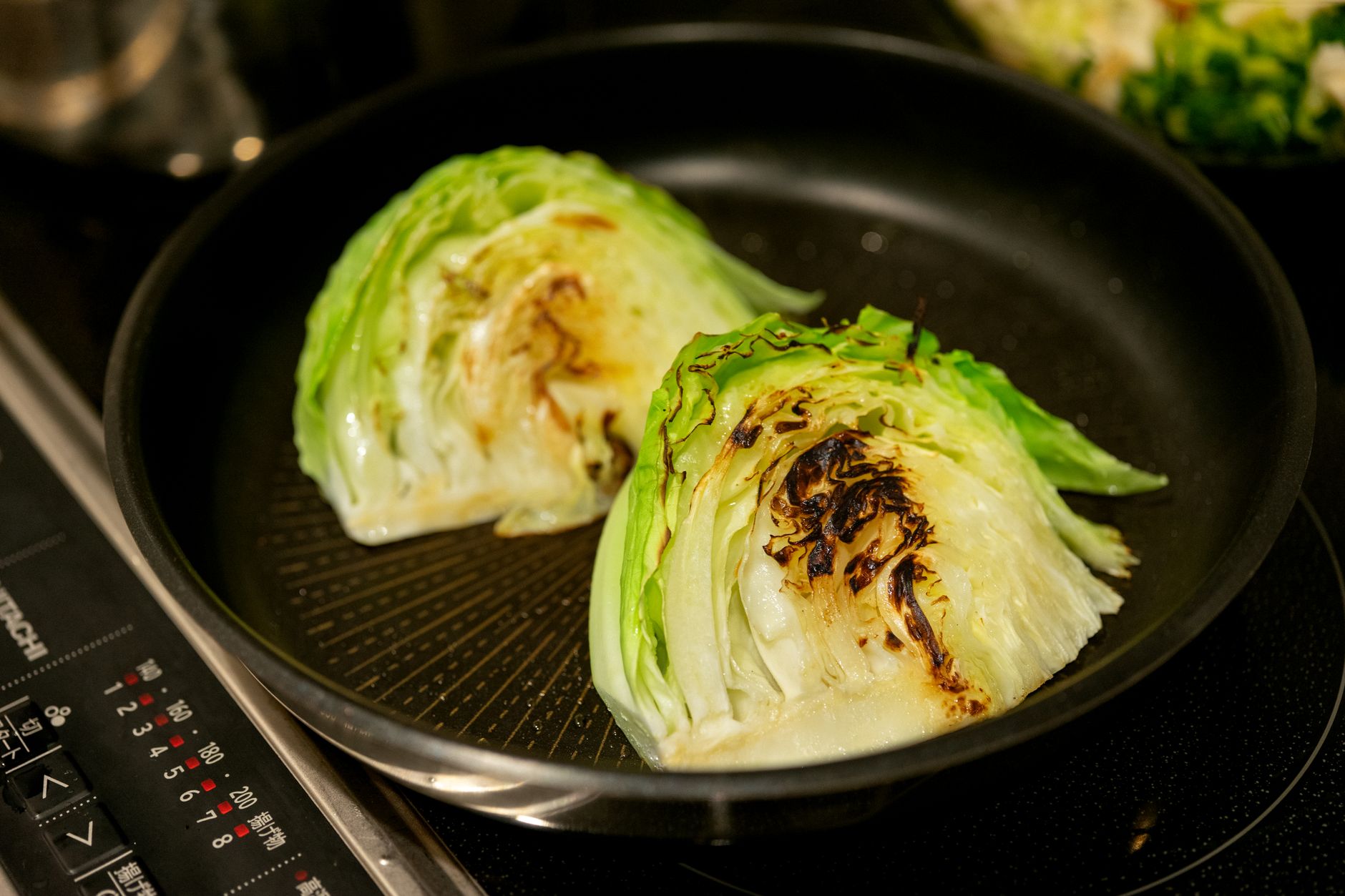
Cabbage is a versatile, nutritious vegetable that can be cooked in many ways. Cooking cabbage on the stove is a great option for those seeking a quick and flavorful side dish. Whether you prefer it boiled, sautéed, or braised, stove-top cooking allows you to transform this humble ingredient into a delicious meal component.
This guide will walk you through various stove-top methods for cooking cabbage, including timing, techniques, and tips. You’ll also find suggested variations to enhance the dish and ensure it fits your meal plans.
How Do You Cook Cabbage on the Stove?
Cooking cabbage on the stove can be done by boiling, sautéing, or braising. Each method produces distinct flavors and textures, allowing you to choose the one that best fits your meal. Here, we will explore these techniques in detail.
1. Boiling Cabbage
Boiling is one of the simplest ways to cook cabbage. It involves cooking the cabbage in water until tender, which helps maintain its bright color and provides a mild flavor.
Ingredients
- 1 medium head of green or savoy cabbage
- Water (enough to cover the cabbage)
- Salt (optional, for seasoning)
Equipment
- Large pot with a lid
- Colander or slotted spoon
- Knife and cutting board
Method
- Prepare the cabbage: Remove any damaged outer leaves, then cut the cabbage into quarters, removing the core. You can slice it into smaller pieces if desired.
- Boil the water: In a large pot, bring enough water to a boil to submerge the cabbage. If you wish, add a pinch of salt for flavor.
- Add the cabbage: Gently place the cabbage quarters into the boiling water. Cover the pot with a lid.
- Cook: Boil the cabbage for about 5 to 10 minutes, depending on the thickness of the pieces and your desired tenderness. The cabbage should be bright green and tender but not mushy.
- Drain and serve: Carefully remove the cabbage using a colander or slotted spoon. Serve it immediately as a side dish, or toss it with melted butter or olive oil and season to taste.
2. Sautéing Cabbage
Sautéing cabbage adds depth of flavor and allows for the incorporation of additional ingredients like onions or garlic. This method gives the cabbage a slightly caramelized texture and rich taste.
Ingredients
- 1 medium head of cabbage, thinly sliced
- 2 tablespoons olive oil or butter
- 1 onion, thinly sliced (optional)
- 2 garlic cloves, minced (optional)
- Salt and pepper to taste
- Red pepper flakes or other spices (optional, for heat)
Equipment
- Large skillet or frying pan
- Knife and cutting board
- Spatula or wooden spoon
Method
- Heat the oil: In a large skillet, heat the olive oil or butter over medium heat.
- Add aromatics: If using, add the sliced onion to the pan and sauté for about 3-4 minutes until softened. Add the minced garlic and cook for an additional 30 seconds until fragrant.
- Add the cabbage: Stir in the sliced cabbage and season with salt, pepper, and any spices you like. Toss to combine.
- Cook: Sauté the cabbage over medium heat for about 10-15 minutes, stirring occasionally. The cabbage should wilt down and become tender, with some pieces slightly caramelized.
- Serve: Remove from heat and taste for seasoning. Adjust if necessary and serve warm as a side dish or mix it into other dishes.
3. Braising Cabbage
Braising cabbage is a slower cooking method that infuses the vegetable with flavor and creates an exceptionally tender texture. This method typically includes adding broth or other liquids for a delicious finish.
Ingredients
- 1 medium head of cabbage, cut into wedges or thick slices
- 2 cups vegetable or chicken broth
- 2 tablespoons olive oil or butter
- 1-2 tablespoons vinegar (apple cider or red wine) for added acidity
- Salt and pepper to taste
- Herbs (thyme, bay leaf) for additional flavor (optional)
Equipment
- Large pot or Dutch oven
- Knife and cutting board
- Spatula or wooden spoon
Method
- Heat the oil: In a large pot or Dutch oven, heat the olive oil or butter over medium heat.
- Add the cabbage: Place the cabbage wedges or slices in the pot and brown on all sides, about 5-7 minutes.
- Add liquid: Pour in the broth and vinegar, ensuring the cabbage is moistened but not fully submerged. If using, add herbs for extra flavor.
- Braise: Bring the liquid to a gentle simmer, then cover the pot with a lid. Allow the cabbage to braise for about 30-40 minutes, or until it reaches your desired tenderness.
- Serve: Taste and season with salt and pepper. Remove the herbs, if used, and serve warm as an elegant side dish.
Tips for Cooking Cabbage on the Stove
- Choose Fresh Cabbage: Look for a head that is firm and heavy with crisp leaves. Avoid cabbage with wilted or yellowing leaves.
- Flavor Enhancements: Cabbage pairs well with other flavors. Consider adding a splash of soy sauce, a spoonful of mustard, or a sprinkle of your favorite cheese to the finished dish for extra taste.
- Experiment with Spices: Try adding spices like cumin, caraway seeds, or coriander to elevate the flavor profile.
- Storing Leftover Cabbage: If you have cooked cabbage left over, store it in an airtight container in the refrigerator for up to 3 days. Reheat in a skillet over low heat until warmed through.
- Handling Bitter Cabbage: If you find your cabbage to be overly bitter, consider adding a pinch of sugar while cooking to balance the flavors.
Common Mistakes to Avoid
- Overcooking: Cabbage can quickly turn mushy if overcooked. Keep an eye on the cooking time and adjust based on your preferred texture.
- Inadequate Draining: When boiling, be sure to drain the cabbage thoroughly before serving, as excess water can dilute the flavor.
- Neglecting Seasoning: Cabbage benefits from seasoning; don’t skip salt and pepper. Experiment with additional herbs and spices for added depth.
Serving Suggestions
Cooked cabbage is versatile and pairs well with various dishes. Here are some suggestions:
- Serve boiled cabbage alongside meats such as roasted chicken or pork.
- Sautéed cabbage works great as a topping for tacos or integrated into stir-fries.
- Braised cabbage can be an excellent side for comfort dishes like mashed potatoes or gravy-laden meats.
- Incorporate cooked cabbage into grain bowls, salads, or pasta dishes for a healthful boost of nutrients.
Make-Ahead Guidance
Cooked cabbage can be made in advance and stored in the refrigerator. It is wise to cook it slightly less than your preferred texture, as it will continue cooking when reheated. Here’s how to effectively meal prep with cabbage:
- Prepare and cook the cabbage as per your chosen method.
- Allow the cooked cabbage to cool completely before transferring it to an airtight container.
- Store it in the refrigerator for up to 3 days. To reheat, sauté in a pan with a bit of oil or steam until warm.
- You can also freeze cooked cabbage. Simply spread it out on a baking sheet to cool, then transfer to a freezer-safe container. It can last for up to three months.
Variations on Cabbage Cooking Techniques
If you want to add variety to your cabbage dishes, consider these alternatives that build upon the basic methods:
- Spiced Cabbage: Add curry powder or turmeric for a spiced flair.
- Asian-Style Stir-Fried Cabbage: Use sesame oil and top with sesame seeds to create an Asian-inspired dish.
- Cabbage Slaw: Use raw, finely shaven cabbage dressed in vinegar and oil for a crunchy salad.
- Incorporate other Vegetables: Cabbage pairs well with carrots, bell peppers, or mushrooms when sautéing.
Conclusion
Cooking cabbage on the stove is straightforward, whether you choose to boil, sauté, or braise it. With each method bringing its own unique flavor and texture, you’ll find that cabbage is an excellent addition to your meals. Use the tips and suggestions provided to make each dish more enjoyable and tailor it to your personal taste preferences.
Explore more delicious recipes and cooking techniques such as our cabbage boil recipe or try sautéed cabbage with our sautéed cabbage recipe, each adding a delightful twist to your dining experience.