
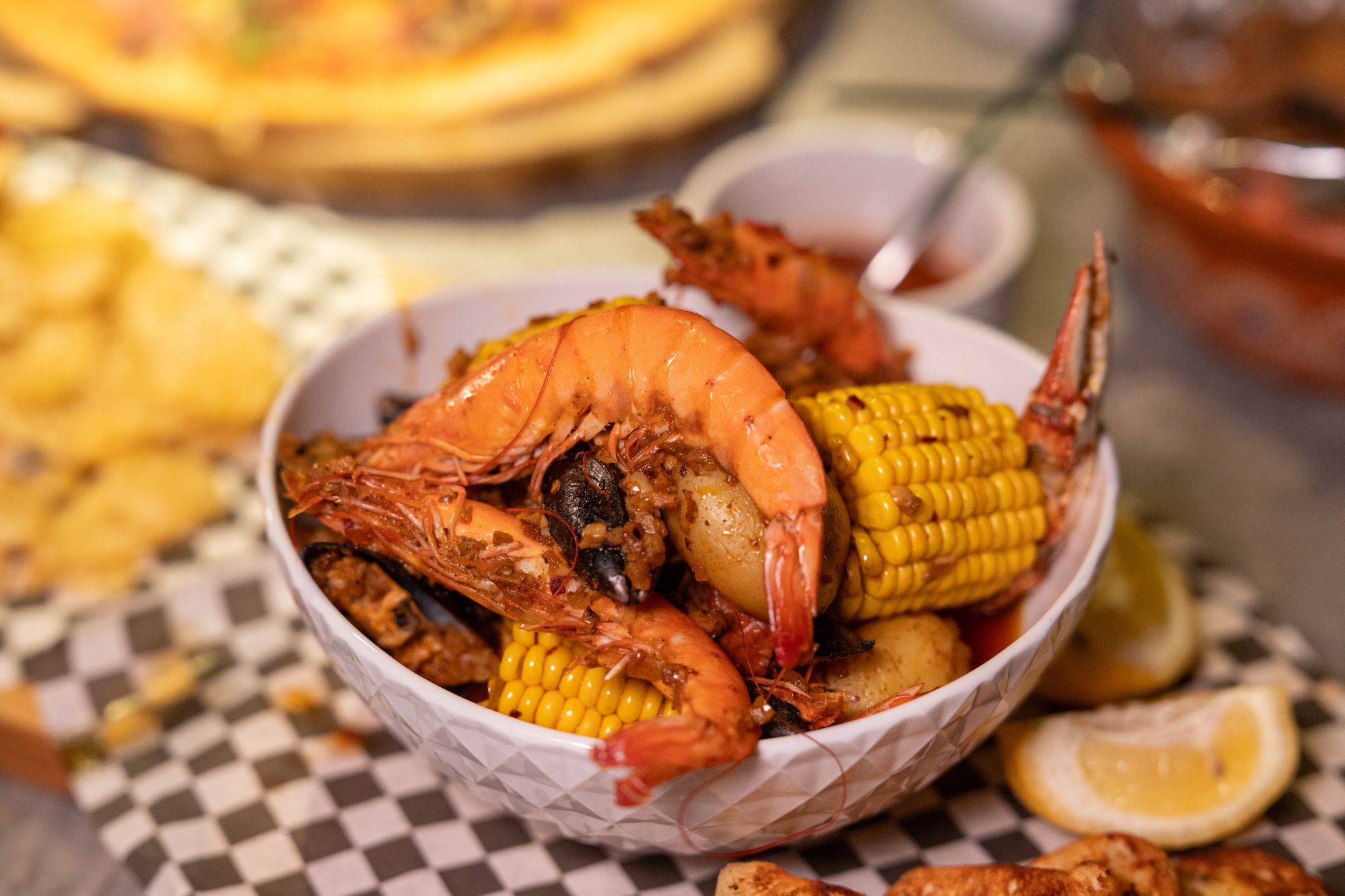
Boiling shrimp is a simple yet essential culinary technique that enhances their natural sweetness and delicate flavor. By mastering this method, you can create a perfect base for various seafood dishes, salads, or appetizer platters. Finding the right balance of timing and seasoning is crucial for achieving that tender, juicy texture.
Whether you’re planning a casual weekend gathering or a fancy dinner, knowing how to boil shrimp will enable you to impress your guests. This guide will walk you through the necessary steps, ingredient considerations, and tips for serving boiled shrimp beautifully.
How Do You Boil Shrimp?
To boil shrimp, you need to start with fresh or frozen shrimp, a pot of seasoned water, and a few careful steps to ensure they cook perfectly. Timing is key, and boiled shrimp should be cooked just until they turn pink and opaque. The process is straightforward and requires minimal equipment.
Ingredients Needed for Boiling Shrimp
- 1 pound fresh or frozen shrimp (peeled and deveined is ideal)
- Water (enough to fill the pot and cover the shrimp)
- Salt (about 1-2 tablespoons, adjust to taste)
- Optional seasonings:
- Old Bay seasoning (1-2 tablespoons)
- Lemon wedges (for flavor and serving)
- Garlic cloves (2-3, smashed)
- Bay leaves (1-2)
Essential Equipment for Boiling Shrimp
- Large pot or stockpot
- Colander or slotted spoon
- Measuring spoons
- Tongs (for handling hot shrimp)
- Ice bath (bowl filled with ice water, optional for stopping the cooking process)
Step-by-Step Process for Boiling Shrimp
- Prepare the Shrimp: If using frozen shrimp, ensure they are fully thawed. You can do this by placing them in the refrigerator for several hours or running them under cold water until thawed. Peeled and deveined shrimp are preferred for quick cooking.
- Season the Water: Fill a large pot with water, leaving enough room for the shrimp. Add salt and any optional seasonings such as Old Bay seasoning, garlic, or bay leaves. These enhance the flavor of the shrimp while boiling.
- Bring to a Boil: Heat the pot over high heat, bringing the water to a rolling boil. This typically takes about 10-15 minutes. Keep an eye on it to avoid boiling over.
- Add the Shrimp: Once the water is boiling, carefully add the shrimp to the pot. Stir to ensure they are evenly distributed in the water.
- Cook Until Done: Allow the shrimp to boil for 2-3 minutes, depending on their size. They are done when they turn a bright pink color and the flesh is opaque. Overcooking can lead to tough shrimp, so monitor them closely.
- Remove and Cool: Using a colander or slotted spoon, remove the shrimp from the boiling water and transfer them to the prepared ice bath if desired. This stops the cooking process and helps retain their tender texture.
- Drain and Serve: Let the shrimp cool for a few minutes before draining from the ice bath. Transfer them to a serving plate and garnish with lemon wedges or additional seasoning if desired.
Timing Considerations for Perfectly Boiled Shrimp
Boiling shrimp is a quick process, so timing is vital. As a general rule, shrimp typically take about 2-3 minutes to cook. However, size affects cooking time:
- Small-sized shrimp: 1-2 minutes
- Medium-sized shrimp: 2-3 minutes
- Large to jumbo shrimp: 3-5 minutes
A good indicator of doneness is the color change. Shrimp should be bright pink, and the flesh should appear opaque. If shrimp are still gray or translucent, they need a bit more time.
Common Mistakes to Avoid When Boiling Shrimp
- Overcooking: The most common mistake is overcooking, which leads to rubbery shrimp. Stick to the suggested cooking times and monitor them closely.
- Skipping the Ice Bath: Not cooling the shrimp immediately can result in residual cooking. An ice bath halts cooking instantly and preserves their texture.
- Inadequate Seasoning: Ensure to season your boiling water well. Lack of flavor means the shrimp end up bland.
Flavor Variations and Substitutions
While boiling shrimp is straightforward, there are many ways to customize the flavor:
- Herb Infusion: Add fresh herbs like dill, thyme, or parsley to the boiling water for a fragrant touch.
- Spicy Kick: Consider adding a pinch of red pepper flakes or a few slices of jalapeño if you want heat in your shrimp.
- Citrusy Flavor: Infuse the water with lemon slices or orange zest for a fresh citrus note.
- Garlic: For a stronger garlic flavor, add more smashed garlic cloves or even garlic powder to the boiling water.
Each of these flavor additions can impart unique notes to cooked shrimp without drastically changing the method.
Serving Suggestions for Boiled Shrimp
Boiled shrimp can be enjoyed in various ways. Here are some creative serving suggestions:
- Shrimp Cocktail: Serve chilled shrimp with a zesty cocktail sauce for a classic appetizer.
- Salads: Add boiled shrimp to salads for hearty protein. They pair beautifully with leafy greens, avocado, and citrus dressings.
- Pasta Dishes: Toss boiled shrimp in pasta dishes, along with garlic, olive oil, and a sprinkle of parmesan for an easy weeknight meal.
- Skewers: Thread boiled shrimp onto skewers with vegetables for a great addition to grill nights.
- Rice and Grain Bowls: Incorporate shrimp into rice or grain bowls, topped with fresh veggies and sauces like soy or teriyaki.
Make-Ahead Guidance for Boiled Shrimp
Boiled shrimp can be made in advance and stored for later use. Here’s how to do it:
- Cooling Down: After boiling, cool shrimp in an ice bath, then drain and pat dry.
- Storage: Place the cooled shrimp in an airtight container and refrigerate. They can be stored for 2-3 days.
- Freezing: For longer storage, you can freeze boiled shrimp. They will maintain quality for up to 3 months. Just ensure they are well-sealed to prevent freezer burn.
Reheating is not typically recommended for boiled shrimp to avoid overcooking. Instead, incorporate them cold into salads or grain bowls.
Storage and Reheating Tips
When it comes to storing boiled shrimp, keep these tips in mind:
- Refrigeration: Store shrimp in an airtight container. They should be consumed within 2-3 days for optimal freshness.
- Freezing: If freezing, ensure they are placed in freezer-safe bags or containers. Remember to remove as much air as possible to prolong shelf life.
- Thawing: For frozen shrimp, thaw them overnight in the refrigerator or under cold running water for a quick method.
To enjoy shrimp from the fridge, simply toss them in dishes while they are still cold or pair them with sauces for added flavor.
Conclusion
Boiling shrimp is a quick and easy technique that lays the foundation for various delicious dishes. Mastering the perfect timing, seasoning, and handling practices guarantees tender, flavorful shrimp every time. Remember, the key is to not overcook them, so keep a close eye while boiling.
Whether you’re making a refreshing shrimp salad, a steaming pasta dish, or a classic shrimp cocktail, knowing how to boil shrimp opens up a world of culinary possibilities. Try it today, and explore the delightful options shrimp provide.
For more delicious ideas, consider exploring our shrimp sauce recipe or learn how to make homemade shrimp stock to enhance your seafood dishes further.