
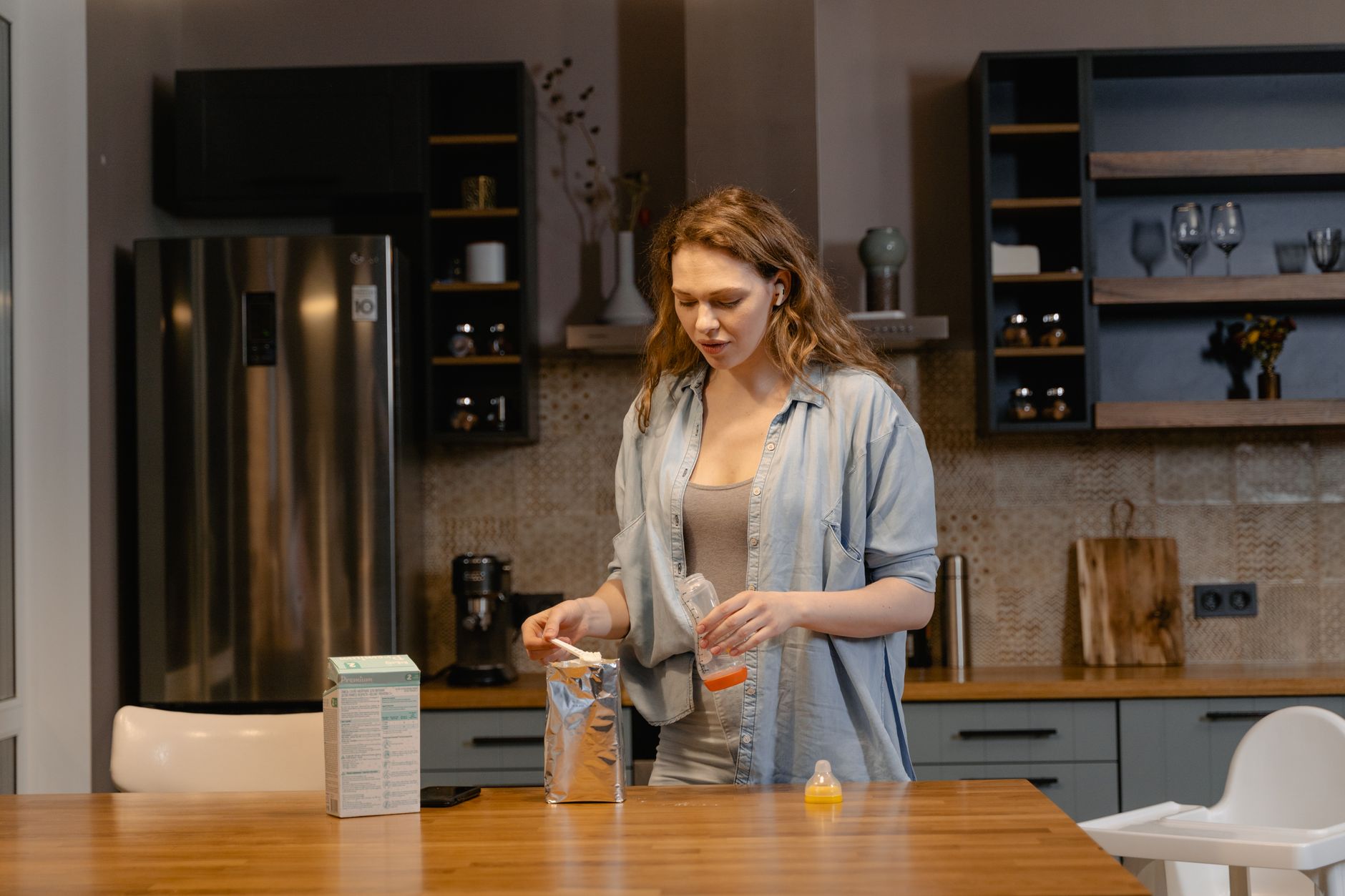
When it comes to feeding your baby, safety and nutrition are paramount. As parents, understanding how to store baby food properly can help ensure that your little one is receiving their meals fresh and safe. One crucial aspect of this is knowing how long baby food can stay in the fridge after it’s been prepared or opened.
This article serves as a comprehensive guide, covering the different types of baby food, recommended storage times, essential storage tips, and much more. By following these guidelines, you can keep your baby’s food safe and nutritious.
How Long Can Baby Food Stay In The Fridge?
Baby food can typically be stored in the refrigerator for 24 to 48 hours after being opened or prepared. Homemade baby food should be consumed within three days. Proper storage practices will help maintain its freshness and prevent spoilage.
Types of Baby Food
Understanding the type of baby food you are using is essential, as different varieties may have different storage requirements.
Commercial Baby Food
Commercial baby food usually comes in jars or pouches and often has a long shelf life. Once opened, it should be refrigerated and typically consumed within 24 to 48 hours. Always check the expiration date before use.
Homemade Baby Food
Homemade baby food, while fresh and nutritious, requires careful handling. This type should be consumed within 3 days when stored properly in the fridge. Make sure to label your containers with the date they were made.
Storage Tips for Baby Food
Knowing how to store baby food correctly is critical for prolonging its shelf life and maintaining its safety and nutritional quality. Here are some essential storage tips:
- Use airtight containers: Ensure that baby food is stored in airtight containers to prevent contamination and moisture buildup.
- Label and date: Always label the food with the date it was prepared or opened to keep track of freshness.
- Avoid cross-contamination: Use clean utensils each time you serve baby food to prevent germs from being introduced.
- Cool completely before refrigerating: Allow food to cool down to room temperature before placing it in the fridge to prevent condensation, which can promote bacterial growth.
- Store only in small quantities: Prepare small portions to avoid waste and ensure that food is consumed while still fresh.
Signs of Spoilage
Before serving baby food, always inspect it thoroughly for any signs of spoilage. Look for the following indicators:
- Off smell: Any sour or strange odor should be taken seriously, as it can indicate the presence of harmful bacteria.
- Changes in color or texture: If the baby food shows discoloration or has developed a watery layer on top, it might be spoiled.
- Mold: Visible mold is a clear sign that the food should be discarded immediately.
Freezing Baby Food
If you want to prepare baby food in larger batches, freezing can be a great option. Frozen baby food can typically be stored in the freezer for up to 3 months.
Freezing Tips
- Use ice cube trays: Pour homemade baby food into ice cube trays for easy portioning. Once frozen, transfer the cubes to freezer bags.
- Label and date: Just like with refrigerated food, make sure to label all frozen food with the preparation date.
- Thaw safely: Thaw baby food in the refrigerator overnight or use the defrost setting on your microwave. Do not refreeze thawed food.
Reheating Baby Food
When it’s time to serve, you may need to reheat the baby food that has been stored in the refrigerator or freezer.
Reheating Tips
- Use a stove or microwave: Reheat baby food in a saucepan on low heat or in a microwave-safe bowl. Stir thoroughly to ensure even heat distribution.
- Check for hot spots: After reheating, stir the food and check the temperature to ensure it’s not too hot for your baby.
- Avoid adding new food to reheated food: Once food has been reheated, do not put uneaten food back in the fridge—it’s best to discard leftovers.
Frequently Asked Questions
Can you freeze store-bought baby food?
Yes, you can freeze store-bought baby food in appropriate containers. However, freezing may affect the texture once thawed, and it’s recommended to use it within one month for best quality.
How can I tell if my baby’s food is still good?
Inspect the food for any unusual smells, changes in color or texture, and check for any signs of mold. If in doubt, it’s safer to discard the food.
Is it safe to make my own baby food?
Yes, making your own baby food can often be healthier and more economical. Just ensure to follow safety guidelines for preparation and storage.
Conclusion
Storing baby food properly is a fundamental practice for ensuring the safety and nutrition of your little one. By understanding how long baby food can stay in the fridge and following proper storage techniques, you can help manage your baby’s meals effectively. For practical next steps, start preparing small batches of homemade baby food and implement proper fridge storage habits today.
Feel free to explore more about food safety with our guides on ground beef storage and cottage cheese shelf life.