
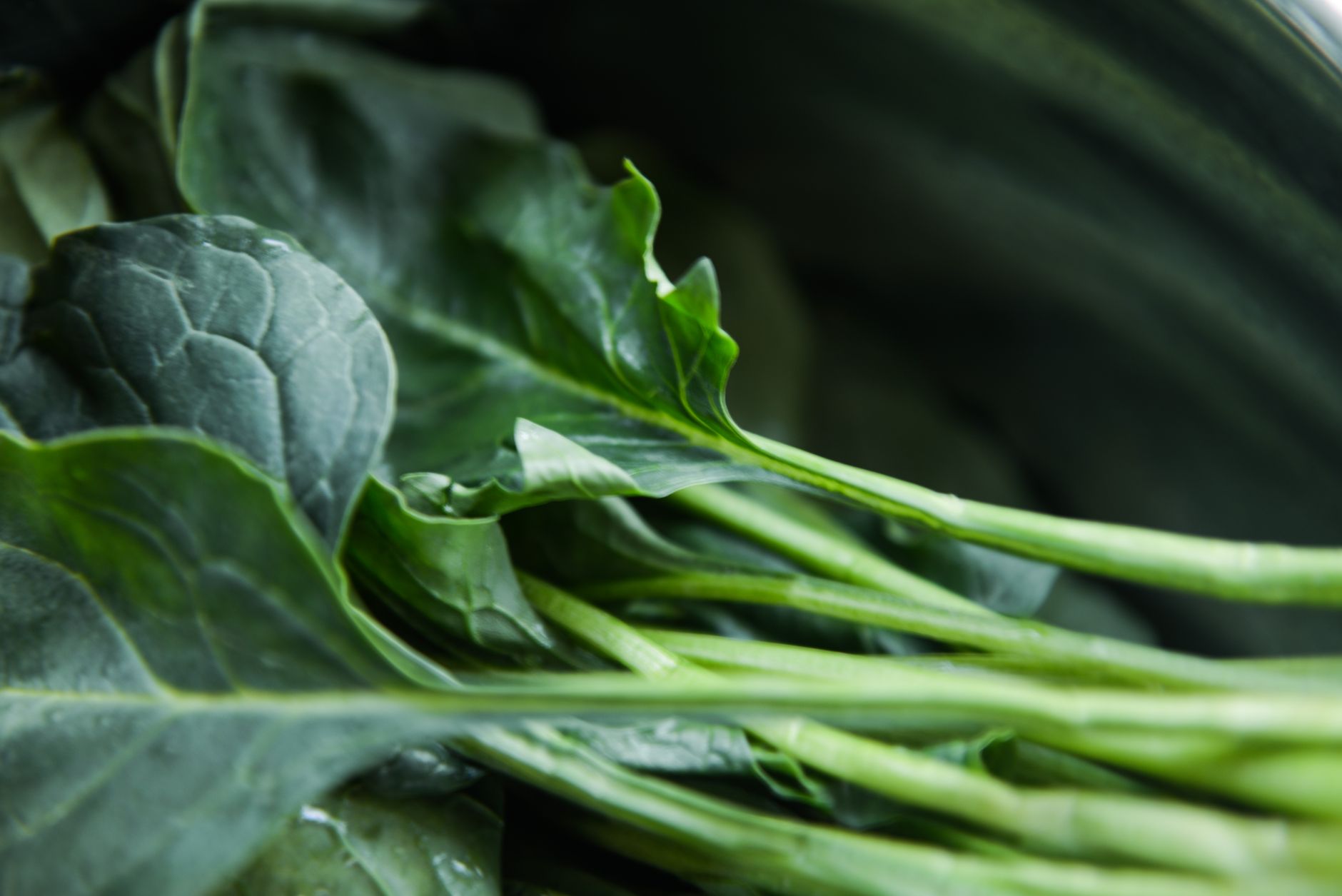
Collard greens are a leafy green vegetable with a slightly bitter flavor and a hearty texture, commonly associated with Southern cuisine. Cooking collard greens can enhance their taste and make them a nutritious side dish or main course addition, perfect for various meals.
Understanding how to cook collard greens involves knowing the key steps for preparation, cooking time, and serving suggestions. This guide provides a comprehensive look at everything you need to know to enjoy this nutritious vegetable.
How Do I Cook Collard Greens?
To cook collard greens, start by thoroughly washing and prepping the leaves, then choose a cooking method such as boiling, sautéing, or braising. Each method yields delicious results while allowing the greens to retain their vibrant color and nutritional benefits.
Ingredients Needed for Cooking Collard Greens
- 1 bunch of fresh collard greens
- 2 tablespoons of olive oil or bacon fat
- 1 onion, chopped
- 2 cloves of garlic, minced
- 4 cups of broth (chicken, vegetable, or water)
- Salt and pepper, to taste
- Red pepper flakes (optional, for heat)
- 1 tablespoon vinegar (for serving)
Essential Equipment
- Large pot or Dutch oven
- Cutting board
- Sharp knife
- Colander or salad spinner (for washing greens)
- Wooden spoon or spatula
Preparation Steps
- Wash the Greens: Rinse the collard greens thoroughly under cool running water to remove any dirt or grit. You can also soak them in a bowl of water to help loosen any debris.
- Remove the Stems: Use a sharp knife to cut away the tough stems from each leaf. This will ensure a more tender final dish.
- Chop the Leaves: Stack the leaves, roll them tightly, and slice them into strips, about 1 to 2 inches wide. Alternatively, you can tear the leaves into bite-sized pieces.
Cooking Methods for Collard Greens
1. Boiling Collard Greens
Boiling is one of the simplest methods for cooking collard greens. This technique helps soften the greens while cooking off some of their bitterness.
- Bring a large pot of salted water to a boil.
- Add the prepared collard greens and let them cook for 5-7 minutes until they are tender.
- Drain the greens in a colander and rinse under cold water to stop the cooking process.
- Transfer the collard greens back to the pot, and add olive oil, chopped onion, garlic, salt, and pepper. Sauté over medium heat for about 5-10 minutes.
2. Sautéing Collard Greens
Sautéing collard greens allows you to infuse more flavor by cooking them with aromatics like garlic and onion.
- Heat olive oil or bacon fat in a large pot over medium heat.
- Add chopped onion and sauté until translucent, about 3-5 minutes.
- Add minced garlic and cook for another minute, being careful not to burn it.
- Add the chopped collard greens and stir them into the onion-garlic mixture, cooking for about 5 minutes until they start to wilt.
- Pour in the broth, season with salt, pepper, and red pepper flakes (if using), cover, and simmer for 20-30 minutes, or until tender.
3. Braising Collard Greens
Braising collard greens yields a rich, flavorful dish that can be served as a main course or side. It combines moisture and slow cooking to enhance the greens’ taste.
- In a large pot, heat olive oil over medium heat and sauté chopped onion and garlic until fragrant.
- Add the collard greens and sauté until they start to wilt.
- Pour in broth and add any desired seasoning.
- Bring to a simmer, cover the pot, and reduce the heat to low. Cook for about 40-60 minutes, stirring occasionally until the greens are tender and flavorful.
Serving Suggestions
Collard greens can be served in various ways, making them versatile for different meals. Here are some ideas:
- Serve as a side dish with smoked meats or barbecue.
- Mix with cornbread for a classic Southern pairing.
- Incorporate into grain bowls with quinoa or brown rice.
- Top with a splash of vinegar for acidity.
Common Mistakes and Troubleshooting
Here are a few common errors people make when cooking collard greens and how to avoid them:
- Overcooking: Avoid boiling or braising for too long, or the greens may lose their vibrant color and turn mushy. Aim for tender yet still slightly firm greens.
- Not Seasoning Enough: Collard greens can be bitter, so don’t hesitate to add adequate seasoning, including salt, pepper, and optional spices.
- Skipping the Wash: Always wash the greens thoroughly to remove any grit or dirt to ensure cleanliness and better flavor.
Collard Greens Variations and Substitutions
If you prefer variations in cooking collard greens, consider these options:
- Use Different Oils: Swap olive oil for coconut oil or canola oil for a different flavor.
- Flavor Enhancers: Add lemon juice, apple cider vinegar, or hot sauce for a tangy finish.
- Protein Additions: Incorporate smoked sausage or ham hock when braising to add depth of flavor.
Make-Ahead and Storage Tips
Collard greens can be made ahead of time, making them a convenient choice for meal prep:
- Cooked collard greens can be stored in an airtight container in the refrigerator for up to 4 days.
- To reheat, warm them in a pan over low heat, adding a splash of water or broth to prevent drying out.
- For long-term storage, cooked greens can be frozen for up to 3 months. Cool completely before transferring to freezer-safe containers.
Conclusion
Cooking collard greens not only showcases their versatility and robust flavor, but it also provides a rewarding connection to nutritious, healthy eating. Whether you prefer boiling, sautéing, or braising, choosing the right technique will help you make the most of this leafy green. Start experimenting with your preferred method today!
Explore more delicious recipes like gumbo with greens or check out a flavorful sautéed cabbage recipe for additional meal inspiration.