
There’s something utterly delightful about the aroma of freshly baked Hard Dough Bread wafting through your home. This bread, with its crispy crust and soft, chewy interior, is a true comfort food that evokes memories of family gatherings and cozy evenings.
This recipe is not just about flavor; it’s also incredibly versatile, serving as the perfect base for sandwiches or simply enjoyed with butter. Let’s get started on making this delicious bread that’s sure to impress!
Why You’ll Love This Recipe
This bread is a staple for a reason; it’s beloved for its flavor and texture.
- Simple ingredients you probably already have.
- Perfect for sandwiches or toast.
- Can be customized with herbs or spices.
- Great for sharing with family and friends.
- Freezes well for later enjoyment.
My Experience Making This Recipe
I remember the first time I made Hard Dough Bread; the kitchen was filled with a warm, inviting aroma that made my mouth water. The moment it came out of the oven, I could hardly wait for it to cool before slicing into it.
My family gathered around, and the first bite was met with smiles and compliments. It was a moment where food truly brought us together, and I knew this recipe would be a keeper.
Recipe Overview
- Recipe Name: Hard Dough Bread
- Servings: 10
- Prep Time: 20 minutes
- Cook Time: 30 minutes
- Total Time: 50 minutes
- Course: Bread
- Cuisine: Caribbean
- Calories per Serving: 180
Equipment You Will Need
- Large mixing bowl
- Wooden spoon or spatula
- Measuring cups and spoons
- Loaf pan
- Oven
- Clean kitchen towel
Ingredients for Hard Dough Bread
- 4 cups all-purpose flour
- 1 tablespoon sugar
- 1 tablespoon salt
- 2 tablespoons butter, softened
- 1 packet (2 ¼ teaspoons) active dry yeast
- 1 ½ cups warm water (about 110°F)
Ingredient Notes and Substitutions
- All-purpose flour: This flour creates a nice structure. Whole wheat can be used for a denser bread.
- Sugar: It feeds the yeast and adds a hint of sweetness. Honey can be a natural alternative.
- Salt: Enhances flavor and strengthens gluten. Sea salt can be a good substitute.
- Butter: Adds richness and flavor. Olive oil works well for a dairy-free option.
- Active dry yeast: Helps the bread rise. Instant yeast can be used without proofing.
How to Make Hard Dough Bread
Step 1: Activate the Yeast
In a small bowl, combine warm water, sugar, and yeast. Let it sit for about 5-10 minutes, until frothy, which indicates that the yeast is active.
Step 2: Mix the Dry Ingredients
In a large mixing bowl, whisk together flour and salt. This ensures an even distribution of the salt in the dough.
Step 3: Combine Wet and Dry Ingredients
Make a well in the flour mixture and pour in the yeast mixture and softened butter. Stir until a shaggy dough forms.
Step 4: Knead the Dough
Transfer the dough to a floured surface and knead for about 8-10 minutes. This develops gluten, creating a chewy texture.
Step 5: First Rise
Place the kneaded dough in a greased bowl, cover it with a clean kitchen towel, and let it rise in a warm spot for about 1 hour. This allows the dough to double in size.
Step 6: Shape the Loaf
Punch down the risen dough to release air, then shape it into a loaf. Place it in a greased loaf pan, tucking in the edges neatly.
Step 7: Second Rise
Cover the loaf with the kitchen towel and let it rise for another 30 minutes. This helps develop the structure and texture of the bread.
Step 8: Bake the Bread
Preheat the oven to 375°F (190°C) and bake the bread for 30-35 minutes, until golden brown. The bread should sound hollow when tapped on the bottom.
Pro Tip: For a crustier crust, place a pan of water in the oven while baking.
Tips for the Best Hard Dough Bread
- Always measure flour accurately for consistent results.
- Let the dough rise in a warm place; drafts can slow yeast activity.
- For extra flavor, experiment with adding herbs or spices to the dough.
- Cool the bread completely before slicing to avoid a gummy texture.
- Brush with melted butter immediately after baking for added richness.
Common Mistakes to Avoid
- Not using warm enough water can prevent the yeast from activating properly.
- Over-kneading can lead to tough bread; knead just until smooth.
- Skipping the second rise can result in a dense loaf.
- Not allowing the bread to cool can lead to a gummy interior.
Serving Suggestions
This bread is delightful on its own but pairs wonderfully with various dishes.
- Enjoy with a slather of butter or jam.
- Use for hearty sandwiches filled with your favorite meats and veggies.
- Serve alongside soups or stews for a satisfying meal.
- Toast slices for breakfast with avocado or eggs.
Variations to Try
- Add cheese into the dough for a savory twist.
- Mix in seeds like sesame or poppy for added texture.
- Incorporate dried fruits for a hint of sweetness.
- Experiment with whole grain flours for a nuttier flavor.
Dietary Adaptations
- Gluten-free: Use a gluten-free flour blend, but the texture may differ.
- Dairy-free: Substitute butter with coconut oil or a dairy-free margarine.
- Vegan: Follow the dairy-free tips and avoid any egg washes.
- Low-carb/keto: Use almond flour or coconut flour instead of all-purpose flour.
Storage and Reheating
Refrigerator
Store in an airtight container or plastic bag for up to 5 days.
- Slice before storing to make serving easier.
- Wrap in foil to maintain moisture.
Freezer
Wrap the bread tightly in plastic wrap and then in foil before freezing. It can last for up to 3 months.
- Slice before freezing for easy access.
- Label with the date for reference.
Reheating
To reheat, place slices in a toaster or wrap the loaf in foil and warm in the oven at 350°F (175°C) for about 10-15 minutes.
- For a crusty exterior, reheat in the oven.
- Use the microwave for quick heating, but it may soften the crust.
Nutrition Information
| Nutrient | Amount |
|---|---|
| Calories | 180 |
| Total Fat | 5g |
| Saturated Fat | 3g |
| Carbohydrates | 30g |
| Fiber | 1g |
| Sugar | 1g |
| Protein | 5g |
| Sodium | 200mg |
| Cholesterol | 15mg |
This nutritional information is an estimate and can vary based on ingredient brands and quantities used.
Frequently Asked Questions
Can I use whole wheat flour instead of all-purpose flour?
Yes, but the texture will be denser, and you may need to adjust the liquid amount slightly.
Can I make this bread ahead of time?
Absolutely! You can prepare the dough a day in advance and refrigerate it after the first rise.
How should I store leftover bread?
Store in an airtight container at room temperature for up to five days, or freeze for longer storage.
Why is my bread dense?
This could be due to not enough kneading, insufficient rising time, or expired yeast.
Can I add herbs to the dough?
Yes, adding herbs like rosemary or thyme can enhance the flavor beautifully.
Final Thoughts
Making Hard Dough Bread is a rewarding experience filled with delightful aromas and textures. I encourage you to give this recipe a try; it truly brings a taste of home to your table.
If you want more delicious bread recipes, explore my Honey Wheat Bread Recipe or try a Sourdough Baguette Recipe for more baking inspiration.
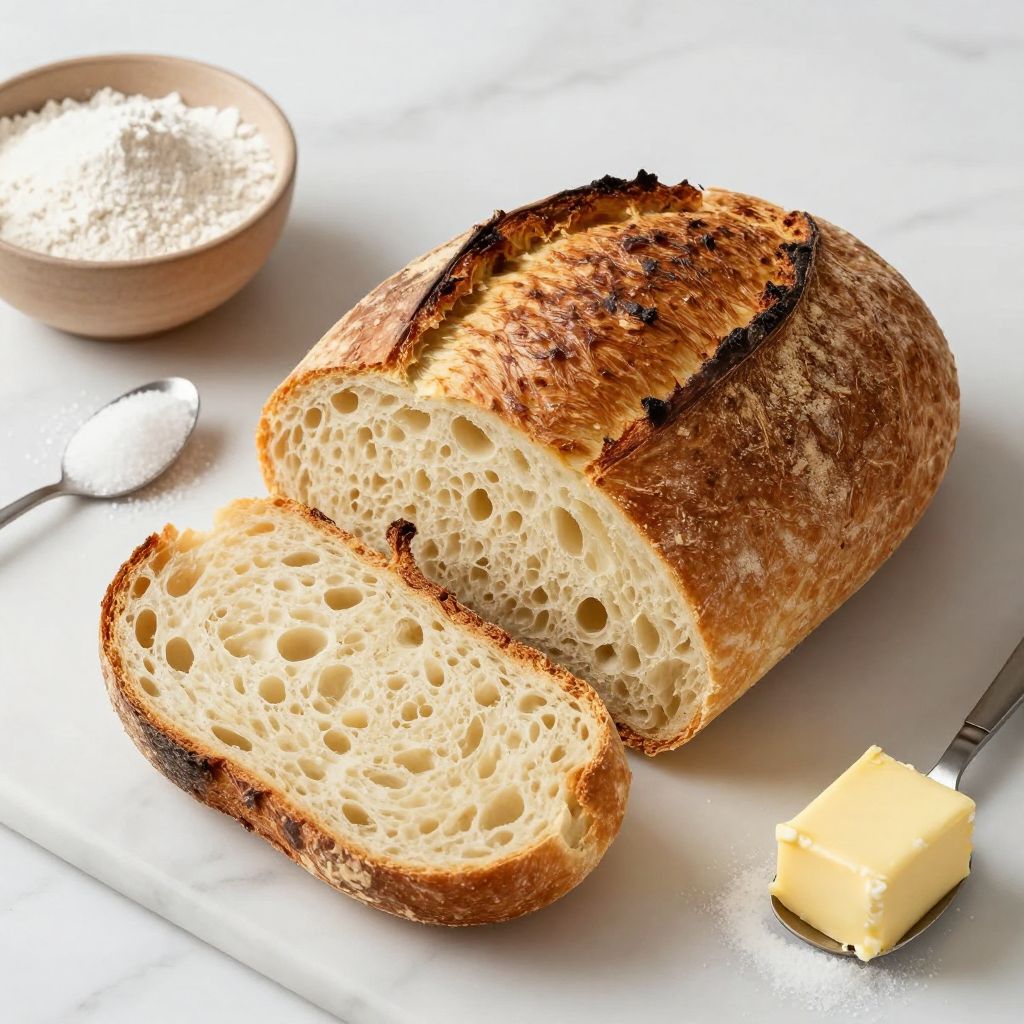
Hard Dough Bread
Ingredients
Equipment
Method
- In a small bowl, combine warm water, sugar, and yeast. Let it sit for about 5-10 minutes, until frothy.
- In a large mixing bowl, whisk together flour and salt.
- Make a well in the flour mixture and pour in the yeast mixture and softened butter. Stir until a shaggy dough forms.
- Transfer the dough to a floured surface and knead for about 8-10 minutes.
- Place the kneaded dough in a greased bowl, cover it with a clean kitchen towel, and let it rise in a warm spot for about 1 hour.
- Punch down the risen dough to release air, then shape it into a loaf and place it in a greased loaf pan.
- Cover the loaf with the kitchen towel and let it rise for another 30 minutes.
- Preheat the oven to 375°F (190°C) and bake the bread for 30-35 minutes, until golden brown.