
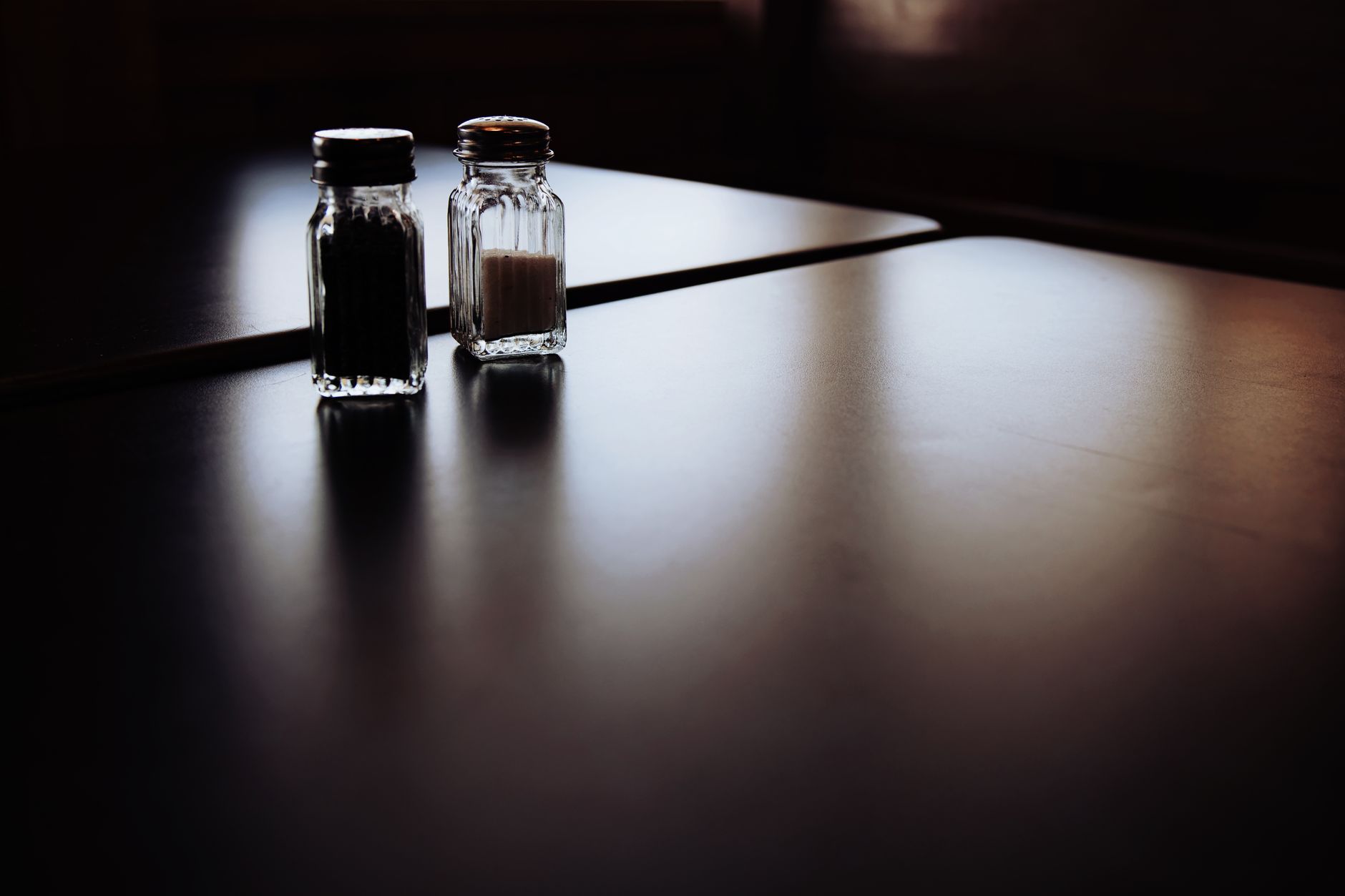
Salt and pepper are staples in kitchens around the world, known for their role in enhancing flavor and seasoning dishes. But do these essential ingredients ever go bad? The good news is that both salt and pepper have an impressively long shelf life, though their potency may wane over time. Understanding their longevity and proper storage can help maintain their flavor and ensure optimal use in your cooking.
This guide will explore the shelf life of salt and pepper, how to store them properly, and tips for determining when they may need to be replaced.
Does Salt and Pepper Expire?
Salt, a mineral, does not expire in the traditional sense. It remains safe to consume indefinitely. However, black pepper and other ground spices can lose their potency and flavor over time, typically ranging from 2 to 3 years in ground form. Whole peppercorns can last even longer, up to 4 years.
The Longevity of Salt
Salt is a unique ingredient due to its exceptional stability. Since it does not contain moisture or significant organic compounds, it does not harbor bacteria or mold, which are common factors in spoilage. Here are some key points about salt:
- Types of Salt: Common table salt, sea salt, and kosher salt all have similar shelf lives due to the absence of moisture and composition.
- Storage Recommendations: Store salt in a cool, dry place in an airtight container to prevent clumping. Humidity can cause salt to clump, but it remains safe for consumption even if it does.
- Expiration Date: While salt itself doesn’t expire, some specialty salts may have a best-by date due to the packaging or the addition of flavors and moisture.
The Duration of Pepper
Unlike salt, pepper does have a shelf life due to its organic nature. Over time, the compounds responsible for its aroma and flavor break down. Here’s what you should know about pepper:
- Ground Pepper: Generally lasts about 2 to 3 years when stored properly.
- Whole Peppercorns: Have a longer shelf life with an expected duration of up to 4 years.
- Signs of Expiry: Loss of aroma, faded coloring, or a dull taste in dishes indicates that it’s time to replace your pepper.
- Storage Tips: Keep pepper in a cool, dark place in an airtight container to maximize freshness.
How to Store Salt and Pepper
Proper storage is vital to maximizing the longevity and flavor of your salt and pepper. Here are some practical tips:
Storage Tips for Salt
- Seal in airtight containers to keep out moisture and contaminants.
- Keep away from heat sources, such as stoves or ovens, as heat can draw in moisture.
- Avoid storing salt in metal containers, which can react with it over time.
- If using specialty salts, consider labeling containers to track freshness.
Storage Tips for Pepper
- Store in a cool, dark pantry away from sunlight to prevent degradation of flavor.
- Using whole peppercorns and grinding as needed can maximize flavor retention.
- Use glass or ceramic containers for added protection from moisture.
- Consider investing in a spice grinder to have freshly ground pepper on hand.
Understanding Flavor Loss
Even though salt may not expire, its flavor can change based on how it is processed. For pepper, flavor loss can result in less enjoyable meals. Here’s how to evaluate their potency:
- Crumble Test for Salt: If clumps do form, simply crush them. If there’s no strange odor and it retains a salt flavor, it is still good to use.
- Aroma Check for Pepper: When you open your container of pepper, take a deep whiff. Striking, strong aroma means it’s still fresh. If the smell is faint or non-existent, it’s best to discard it.
- Taste Test: A small taste can reveal if the salt or pepper still offers the desired punch. If it’s bland or flavorless, it’s time for a replacement.
Common Questions About Salt and Pepper
Can I use expired salt and pepper?
Salt remains safe to use indefinitely, while pepper may lose its flavor and aroma over time. Expired pepper isn’t harmful but may detract from your dish’s taste.
How can I tell if my pepper is stale?
Stale pepper usually lacks aromatic intensity. If you notice a faded smell or weak flavor, it’s a good sign to replace it.
Is it safe to consume salt that has turned hard?
Yes, hard salt can still be consumed. You can break it apart and use it as usual; it remains safe even if it hardens due to moisture exposure.
Should I refrigerate salt and pepper?
Refrigeration is not necessary and could introduce moisture into your containers. Store them in a cool, dry place instead.
Using Salt and Pepper Effectively in Cooking
While understanding shelf life and storage is crucial, knowing how to use salt and pepper effectively enhances your cooking. Consider the following tips:
Enhancing Flavor with Salt
- Season Gradually: Add salt in stages throughout cooking rather than all at once. This will help you achieve optimal flavor.
- Use Different Salts: Explore using various types of salt such as kosher, sea, or finishing salts to bring out different flavor profiles in your dishes.
- Incorporate Elsewhere: Remember to use salt not only for seasoning meat and vegetables but also in baking where its presence can enhance sweetness.
Enhancing Flavor with Pepper
- Freshly Ground is Best: Freshly grinding your pepper provides the most potent flavor. Use a grinder for the best results.
- Balance Your Flavors: Pair pepper with herbs, spices, and other seasonings to create well-rounded flavor profiles. Experiment to find what works!
- Know Your Heat Levels: Different dishes require different levels of heat. Taste as you go to ensure you’re achieving the desired flavor profile.
Common Mistakes with Salt and Pepper
Being mindful of mistakes when using salt and pepper can lead to more flavorful dishes. Consider these common pitfalls:
- Over or Under Salting: Too much salt can overpower a dish; too little can leave it bland. Taste frequently as you cook.
- Not Tasting Seasoning: Always taste your dishes as you season, adjusting salt and pepper based on feedback from your palate.
- Using Old Ingredients: Outdated spices or stale salt can ruin a meal. Consistently check your storage for freshness.
Summary and Final Tips
Salt and pepper do not expire in the same way that perishable foods do, but their effectiveness can diminish over time. Salt remains stable indefinitely, while pepper can lose flavor within a few years. Proper storage is essential to maintaining their potency, and both should be checked for flavor regularly. Keep consistent testing and storage practices, and remember that freshness can elevate even the simplest meal to new heights.
Explore our additional resources for more tips on ingredient storage, such as whether chia seeds go bad or to learn if food coloring expires. Enhance your cooking knowledge and skills to create amazing meals for you and your loved ones!