
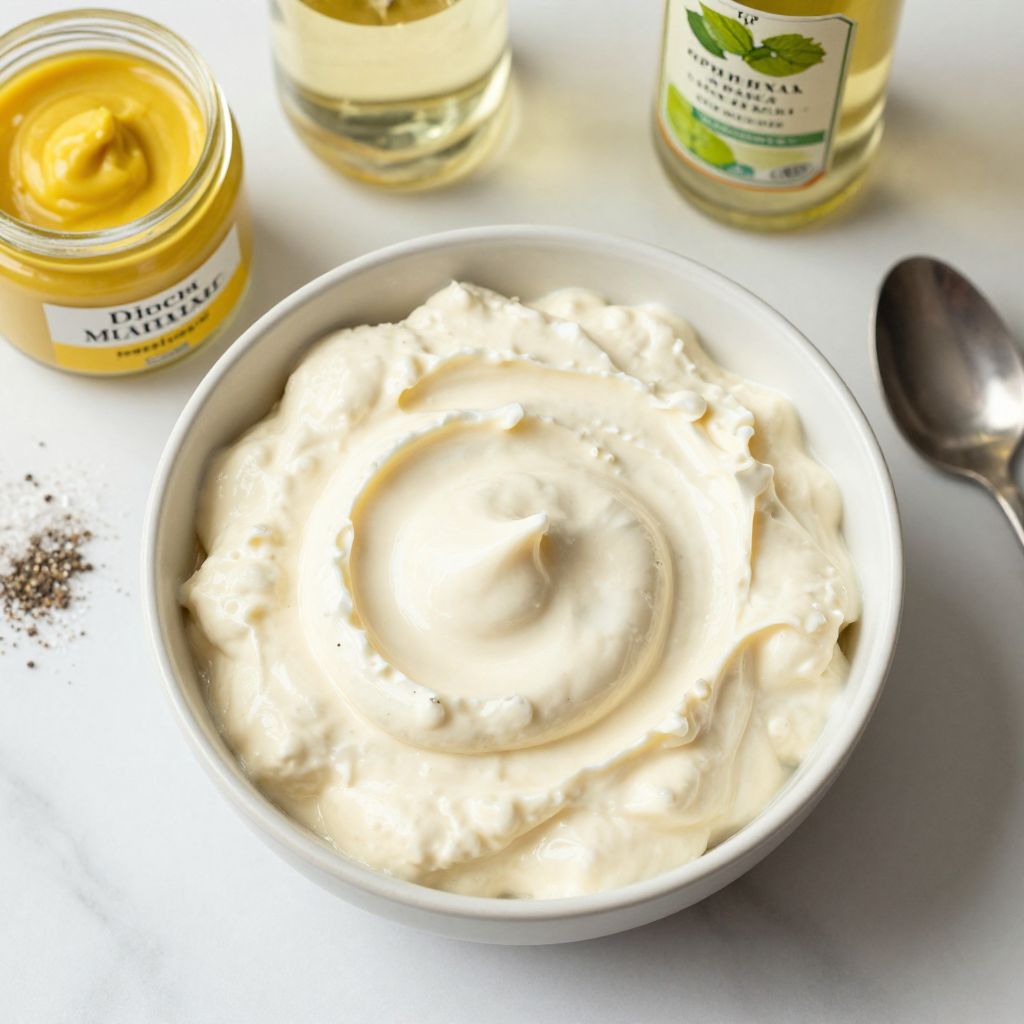
Picture this: a creamy, tangy spread that enhances every bite of your sandwich while keeping things light and nutritious. That’s the magic of Greek Yogurt Mayonnaise, a fantastic alternative to traditional mayonnaise that adds a punch of flavor without the guilt. Not only is it rich and velvety, but it’s also packed with protein and probiotics, making it a healthier choice for dips, dressings, and spreads. Let’s dive into how to whip up this easy, versatile condiment that will elevate your meals and satisfy your cravings!
Why You’ll Love This Recipe
This recipe is a must-try for anyone looking to enjoy homemade condiments with a twist.
- Healthier alternative to store-bought mayo.
- Quick and simple to prepare with minimal ingredients.
- Perfect for sandwiches, salads, and as a dip.
- Customizable with herbs and spices for added flavor.
- Great way to incorporate more protein into your diet.
My Experience Making This Recipe
The first time I made Greek Yogurt Mayonnaise, I was pleasantly surprised by how easy it was. The creamy texture and tangy flavor had me questioning why I ever bought the store version.
My family loved it, and I enjoyed experimenting with different herbs and spices to create unique variations. It quickly became a staple in our kitchen!
Recipe Overview
- Recipe Name: Greek Yogurt Mayonnaise
- Servings: 8
- Prep Time: 5 minutes
- Cook Time: 0 minutes
- Total Time: 5 minutes
- Course: Condiment
- Cuisine: Mediterranean
- Calories per Serving: 35
Equipment You Will Need
- Mixing bowl
- Whisk or fork
- Measuring spoons
- Storage container
Ingredients for Greek Yogurt Mayonnaise
- 1 cup plain Greek yogurt
- 1 tablespoon Dijon mustard
- 1 tablespoon apple cider vinegar
- 1 teaspoon garlic powder
- 1/2 teaspoon salt
- 1/4 teaspoon black pepper
Ingredient Notes and Substitutions
- Greek yogurt: Adds creaminess and tanginess. You can substitute with regular plain yogurt, but it will be less thick.
- Dijon mustard: Provides a slight kick. Yellow mustard can be used instead for a milder flavor.
- Apple cider vinegar: Enhances the tanginess. White vinegar or lemon juice can work as alternatives.
- Garlic powder: Adds depth of flavor. Fresh minced garlic can be substituted for a stronger taste.
- Salt and pepper: Essential for seasoning. Adjust to your taste preferences.
How to Make Greek Yogurt Mayonnaise
Step 1: Gather Your Ingredients
Collect all your ingredients and tools to ensure a smooth prep process. Having everything ready helps avoid any last-minute scrambling.
Step 2: Combine the Greek Yogurt
In a mixing bowl, add the Greek yogurt. This serves as the creamy base for your mayonnaise.
Step 3: Add the Dijon Mustard
Stir in the Dijon mustard. This will add a subtle spice and depth to your mayo.
Step 4: Pour in the Apple Cider Vinegar
Add the apple cider vinegar for acidity, which balances the richness of the yogurt. It’s key for that classic mayo tang.
Step 5: Sprinkle in the Garlic Powder
Add the garlic powder, salt, and black pepper. These seasonings elevate the flavor profile and make it irresistible.
Step 6: Whisk Until Smooth
Using a whisk or fork, mix all the ingredients until smooth and well combined. This ensures a uniform texture without lumps.
Step 7: Taste and Adjust Seasoning
Sample your mayo and adjust the seasoning if needed. Feel free to add more salt, pepper, or vinegar to suit your taste.
Step 8: Store Your Greek Yogurt Mayonnaise
Transfer the mayonnaise to a storage container and refrigerate. It will thicken slightly as it chills, making it perfect for your next meal!
Pro Tip: For a unique twist, try adding fresh herbs like dill or parsley for an herby variation!
Tips for the Best Greek Yogurt Mayonnaise
- Use full-fat Greek yogurt for a creamier texture.
- Let it chill in the fridge for at least an hour before serving for the best flavor.
- Experiment with different spices like paprika or cayenne for a kick.
- Store it in an airtight container to keep it fresh longer.
- Pair it with fresh lemon juice for a zesty touch.
Common Mistakes to Avoid
- Skipping the chilling time — it helps the flavors meld together.
- Using low-fat yogurt — it can lead to a watery consistency.
- Not tasting and adjusting seasoning — everyone’s palate is different.
- Over-mixing — this can make it too runny instead of creamy.
- Storing in a non-airtight container — it can spoil faster.
Serving Suggestions
This Greek Yogurt Mayonnaise is versatile and can enhance many dishes.
- Spread it on sandwiches or wraps.
- Use it as a dip for veggies or chips.
- Mix it into salads like chicken or potato salad.
- Drizzle over grilled meats or fish.
- Incorporate it into dressings for a creamy salad topper.
Variations to Try
- Add fresh herbs like basil or cilantro for a garden-fresh flavor.
- Mix in sriracha or hot sauce for a spicy kick.
- Incorporate lemon zest for a bright, citrusy note.
- Stir in chopped pickles for a tangy crunch.
- Use smoked paprika for a smoky taste that adds depth.
Dietary Adaptations
- Gluten-free: This recipe is naturally gluten-free.
- Dairy-free: Use a dairy-free yogurt alternative for a non-dairy version.
- Vegan/Vegetarian: Substitute Greek yogurt with a plant-based yogurt.
- Low-carb/Keto: This recipe is low in carbs and can fit into a keto diet.
Storage and Reheating
Refrigerator
Store your Greek Yogurt Mayonnaise in an airtight container in the fridge.
- It will stay fresh for about 5-7 days.
Freezer
This mayonnaise does not freeze well due to its yogurt base.
- It is best enjoyed fresh, so make smaller batches if needed.
Reheating
No reheating is necessary for mayonnaise. Simply use it cold from the fridge.
- Stir before using to ensure a smooth consistency.
Nutrition Information
| Nutrient | Amount |
|---|---|
| Calories | 35 |
| Total Fat | 0.5g |
| Saturated Fat | 0g |
| Carbohydrates | 2g |
| Fiber | 0g |
| Sugar | 1g |
| Protein | 6g |
| Sodium | 100mg |
| Cholesterol | 0mg |
This nutritional information is approximate and can vary based on specific ingredients and brands used.
Frequently Asked Questions
Can I substitute Greek yogurt with sour cream?
Yes, sour cream can be used, but it will change the flavor profile slightly. Greek yogurt offers a tangier taste and thicker texture.
How long can I store this mayonnaise?
It can be stored in the fridge for about 5-7 days in an airtight container. Always check for freshness before use.
Can I make this ahead of time?
Absolutely! Making it ahead allows the flavors to meld beautifully. Just store it in the fridge until you’re ready to use it.
What if my mayonnaise is too runny?
This can happen if you over-mix it. Try adding a bit more yogurt to thicken it up.
Can I use flavored yogurt?
While flavored yogurt can be used, it will alter the taste significantly. Stick with plain yogurt for the best results.
Final Thoughts
Making your own Greek Yogurt Mayonnaise is not just easy, but it’s also a delicious way to control what goes into your food. Give it a try and enjoy the satisfying taste of homemade goodness!
For more delightful recipes, explore my garlic mayo recipe or try the mayo chicken recipe for a tasty twist!
Greek Yogurt Mayonnaise
Ingredients
Equipment
Method
- Gather all your ingredients and tools to ensure a smooth prep process.
- In a mixing bowl, add the Greek yogurt.
- Stir in the Dijon mustard.
- Add the apple cider vinegar.
- Sprinkle in the garlic powder, salt, and black pepper.
- Using a whisk or fork, mix all the ingredients until smooth and well combined.
- Sample and adjust seasoning if needed.
- Transfer the mayonnaise to a storage container and refrigerate.