
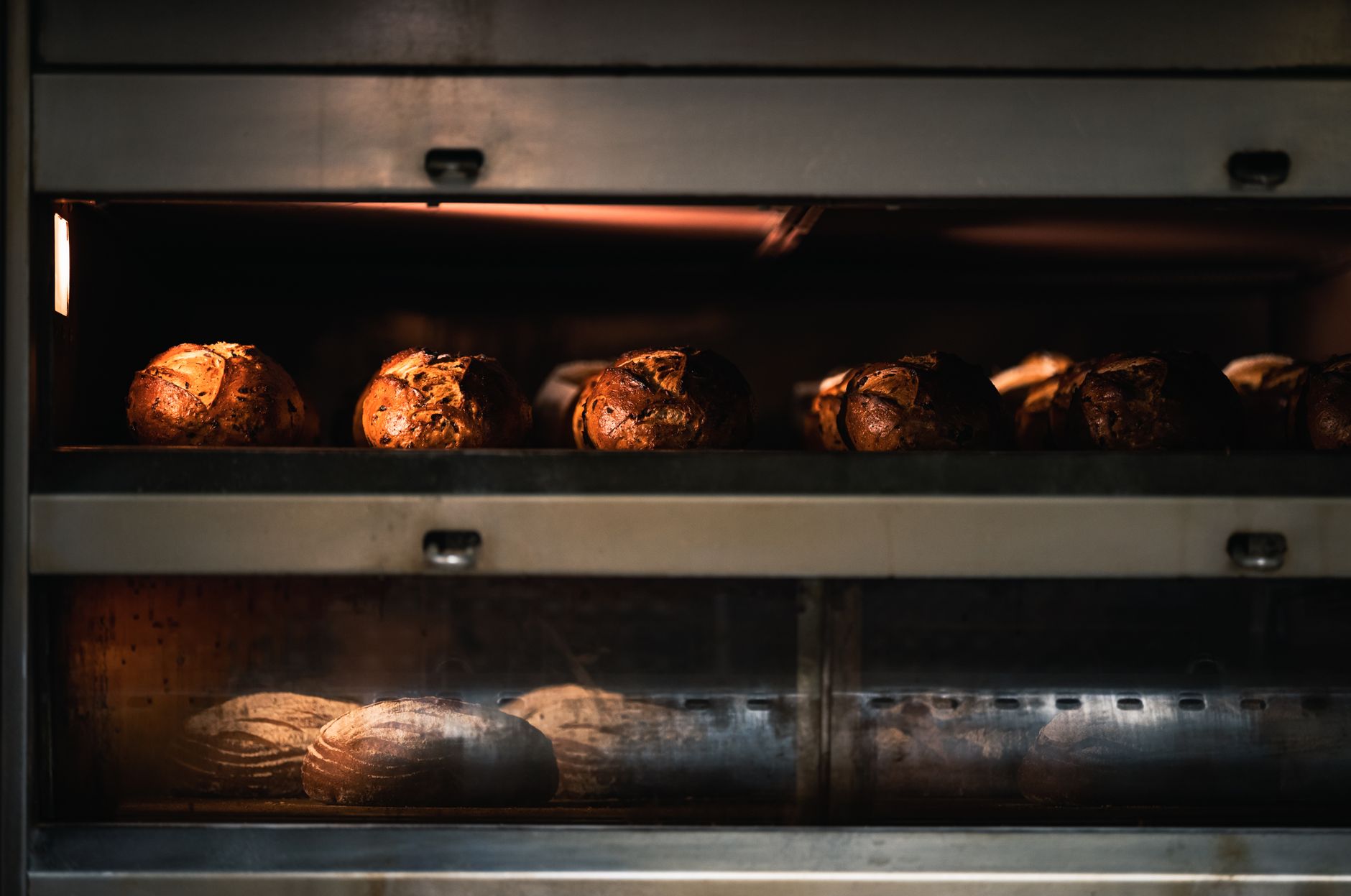
Bread is a staple food found in various forms across many cultures. Its price can vary greatly depending on several factors, including type, size, and location. Understanding these differences will help you make informed decisions when purchasing or baking bread.
This guide will explore the pricing of bread, the different types you can find, common sizes, and useful tips for ordering or making your own. Whether you’re a home baker or a consumer looking to find the best value, this article is for you.
How Much Is Bread?
The price of bread typically ranges from $1 to $5 per loaf in most grocery stores, with specialty or artisan breads costing more. Factors affecting the price include the ingredients used, the method of production (homemade vs. store-bought), and the region where it is sold.
Factors Influencing Bread Prices
1. Ingredients Used
The cost of bread is heavily influenced by the quality of ingredients. Regular white bread made from refined flour may be cheaper, while whole grain, organic, and artisan breads often come with a higher price tag due to more expensive raw materials.
2. Production Method
Homemade bread generally has a lower cost-per-loaf compared to store-bought varieties, especially if you buy ingredients in bulk. On the other hand, artisanal breads often feature complex production processes, which can drive up costs.
3. Type of Bread
Different types of bread have different price points. For example:
- Standard white or wheat bread: $1 to $3
- Whole grain or whole wheat bread: $2 to $5
- Artisan or specialty breads (like sourdough or focaccia): $3 to $8
- Gluten-free breads: $4 to $10
4. Regional Differences
Bread prices can fluctuate based on the area. Urban areas usually have higher costs due to rent and overhead, while rural areas may offer lower prices. Local bakeries might also charge differently than large grocery chains.
Common Types of Bread and Their Prices
1. White Bread
White bread is soft and has a mild flavor, making it a popular choice for sandwiches and toast. Prices range from $1 to $3 for a 20-ounce loaf, depending on brand and quality.
2. Whole Wheat Bread
This bread contains whole grains, providing more fiber and nutrients. Expect to pay between $2 and $5 per loaf. It’s often seen as a healthier option compared to white bread.
3. Sourdough Bread
This fermented bread offers a tangy flavor and chewy texture. Sourdough can cost anywhere from $3 to $8, especially if purchased from local bakeries, given the time and skill involved in its preparation.
4. Rye Bread
Rye bread, known for its dense texture and slightly sour taste, typically costs around $3 to $5 per loaf. It pairs well with sandwiches and can be found in various styles, including pumpernickel.
5. Gluten-Free Bread
Made without wheat, gluten-free bread caters to those with dietary restrictions. Prices range from $4 to $10 per loaf, reflecting the higher cost of gluten-free ingredients.
Buying Bread: Ordering Tips
1. Understand Your Needs
Before purchasing bread, think about what you need it for—whether it’s for sandwiches, toast, or a side for dinner. Knowing how you’ll use the bread can guide your selection.
2. Check Expiration Dates
When buying bread, especially from a bakery or specialty store, always check the expiration date. Freshness is key to enjoying the best flavor and texture.
3. Consider Bulk Purchases
Many bakeries and grocery stores offer discounts on bulk orders. If you find a type of bread you love, consider buying in larger quantities to save money in the long run.
4. Experiment with Local Bakeries
Local bakeries often have fresher or more unique options than grocery stores. Visiting these establishments can be a great way to discover new flavors while supporting local businesses.
5. Know Your Timing
Bakery breads are often baked in the morning. If you visit in the afternoon or evening, the selection may be limited, and prices may be reduced on day-old bread. This can be a good opportunity to save.
Homemade Bread: A Cost-Effective Alternative
Advantages of Making Your Own Bread
Making bread at home can be significantly cheaper than buying it. This method allows you to control the ingredients, ensuring a fresher product with no additives.
Essential Ingredients for Homemade Bread
- Flour (all-purpose, whole wheat, or specialty): Variable based on type
- Water: Free or minimal cost
- Yeast: Approximately $0.25 to $1 for a packet
- Salt: Minimal cost
- Sugar or honey: Optional, around $0.50 for a small container
- Oil or butter: $1 to $2 for a bottle or stick
Basic Cost Calculation
The average cost to make a loaf of homemade bread ranges from $1 to $2, depending on the ingredients you choose. This can be especially cost-effective if making multiple loaves at once.
A Basic Homemade Bread Recipe
Yield
This recipe yields one standard loaf of bread.
Preparation and Cooking Time
- Preparation time: 15 minutes
- Rising time: 1 hour
- Baking time: 30 minutes
- Total time: Approximately 1 hour 45 minutes
Ingredients
- 4 cups all-purpose flour
- 2 teaspoons active dry yeast
- 1 1/2 cups warm water (about 110°F)
- 1 tablespoon salt
- 1 tablespoon sugar (optional)
- 2 tablespoons olive oil or melted butter (optional)
Essential Equipment
- Large mixing bowl
- Wooden spoon or spatula
- Kitchen towel
- Loaf pan (9×5-inch)
- Oven
Method
- In a large mixing bowl, combine warm water, sugar, and yeast. Let it sit for about 5-10 minutes until frothy.
- Add flour, salt, and oil (if using) to the yeast mixture. Mix until a shaggy dough forms.
- Knead the dough on a floured surface for about 10 minutes, or until smooth and elastic.
- Place the dough in a greased bowl, cover with a kitchen towel, and let it rise in a warm place until doubled in size (about 1 hour).
- Punch down the risen dough and shape it into a loaf. Place it into the greased loaf pan.
- Cover and let rise for another 30 minutes, or until the dough rises just above the pan edge.
- Preheat the oven to 375°F (190°C). Bake the bread in the preheated oven for 25-30 minutes until golden brown.
- Remove from the oven and let cool in the pan for 10 minutes. Then transfer to a wire rack to cool completely before slicing.
Practical Substitutions
- If you don’t have bread flour, all-purpose flour works well but may yield a slightly softer loaf.
- For a gluten-free option, substitute with a gluten-free flour blend. You may need extra binding agents.
- Honey can replace sugar for sweetness, which will complement the flavor.
Common Mistakes to Avoid
- Using water that is too hot can kill the yeast. Ensure water is around 110°F.
- Skipping the second rise can lead to a dense loaf. Patience is key!
- Not kneading long enough can affect the bread’s texture; knead until smooth and elastic.
Storage and Reheating Guidance
Store your bread in a cool, dry place in a bread box or paper bag for up to three days. For longer storage, freeze slices in an airtight container. Reheat slices in a toaster or microwave briefly for best results.
Exploring Bread Varieties
Every culture has its own take on bread, from naan in India to baguettes in France. By exploring diverse bread types, you can enrich your meals and discover new flavors.
Popular Types from Around the World
- Naan: Soft, leavened Indian bread ideal for dipping in curries.
- Baguette: The iconic French bread, known for its long shape and crusty exterior.
- Tortilla: A flatbread from Mexico, perfect for tacos and burritos.
- Pita: A Middle Eastern bread that puffs up, creating a pocket for fillings.
- Focaccia: An Italian bread that is flat and often topped with herbs or olives.
Conclusion
Understanding the varying prices, types, and preparation methods for bread can help you make more conscious choices when buying or making it at home. With the right knowledge, you can find the best value and enjoy delicious bread to complement any meal.
For further exploration, check out our honey wheat bread recipe or try your hand at making einkorn bread for a unique twist on traditional loaves. Happy baking!