
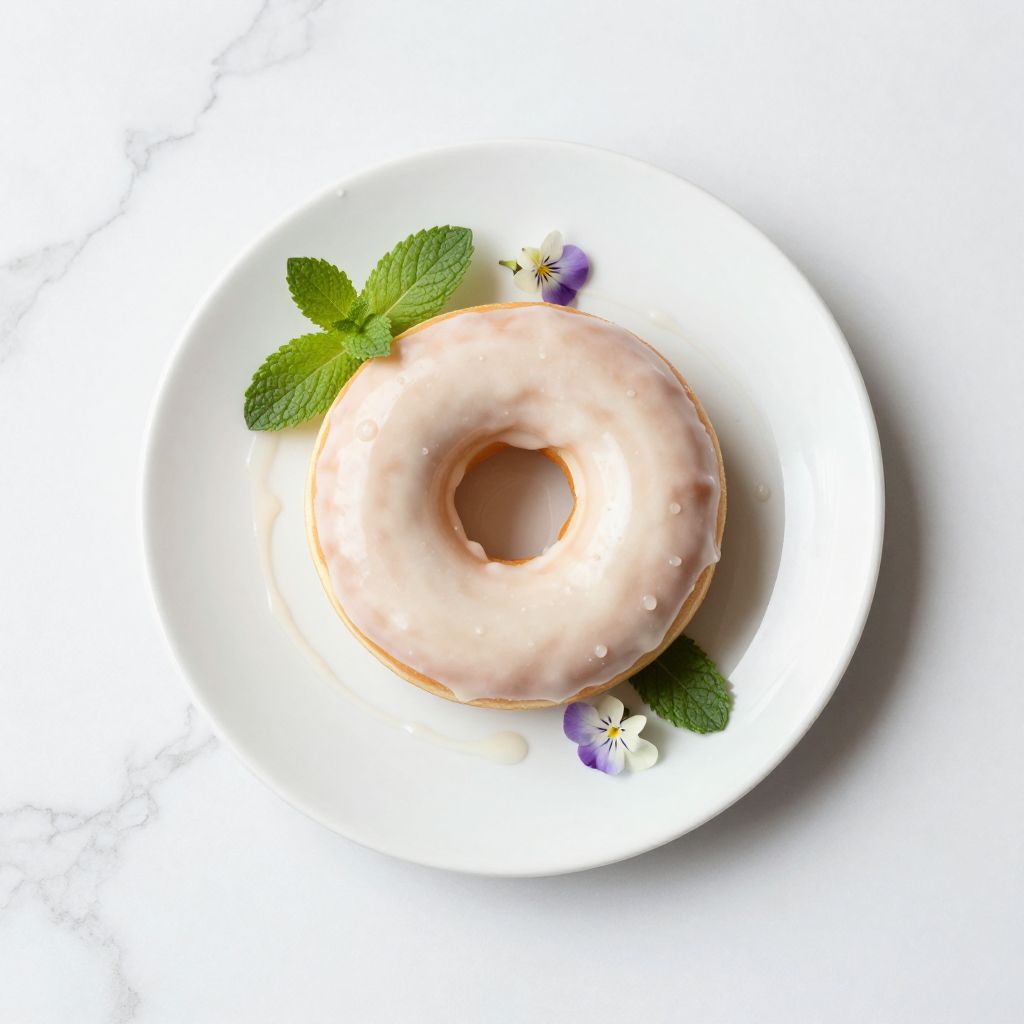
Glaze recipe has become my secret weapon for transforming ordinary baked goods into glossy, professional-looking creations. This simple mixture of powdered sugar and liquid creates a sweet, shiny coating perfect for cakes, cookies, donuts, and pastries.
I make this glaze at least once a week because it takes just five minutes to whip together. The results look bakery-quality every single time.
Why You’ll Love This Recipe
This glaze delivers professional results without any fancy equipment or complicated techniques. You probably have everything you need in your pantry right now.
- Ready in under 5 minutes with just 3 basic ingredients
- Easily customizable with different flavors and colors
- Creates a beautiful glossy finish that hardens perfectly
- Works on virtually any baked good you can imagine
- Scales up or down effortlessly for any batch size
My Experience Making This Recipe
I first made this glaze for a batch of cinnamon rolls that looked sadly naked on the plate. The transformation was stunning, turning simple homemade rolls into something that could compete with any bakery.
My family now refuses to eat certain baked goods without this glaze. The slight crackle when you bite through the hardened sugar shell is absolutely satisfying.
I’ve experimented with maple, lemon, orange, and even coffee variations over the years. Each flavor brings its own personality while maintaining that perfect glossy finish.
Recipe Overview
- Recipe Name: Classic Glaze
- Servings: Makes about 1 cup (enough for 12 donuts or 1 bundt cake)
- Prep Time: 5 minutes
- Cook Time: 0 minutes
- Total Time: 5 minutes
- Course: Topping/Finishing
- Cuisine: American
- Calories per Serving: 120 calories (per 2 tablespoon serving)
Equipment You Will Need
- Medium mixing bowl
- Whisk or fork
- Measuring cups and spoons
- Rubber spatula or spoon for drizzling
- Wire cooling rack (for glazing items)
- Baking sheet or parchment paper (to catch drips)
Ingredients for Glaze Recipe
- 2 cups powdered sugar (also called confectioners’ sugar), sifted
- 3 to 4 tablespoons milk (whole, 2%, or plant-based)
- 1/2 teaspoon vanilla extract
- Pinch of salt (optional, but recommended)
Ingredient Notes and Substitutions
- Powdered sugar: This provides the sweet base and creates the smooth, glossy texture that defines a proper glaze. You can make your own by blending granulated sugar in a high-speed blender, though store-bought works better.
- Milk: The liquid thins the powdered sugar to a pourable consistency while adding slight richness. You can substitute water, cream, fruit juice, coffee, or any plant-based milk with similar results.
- Vanilla extract: This adds depth and rounds out the sweetness with warm flavor notes. Almond extract, maple extract, lemon juice, or orange zest make excellent alternatives for flavor variation.
- Salt: A tiny pinch balances the intense sweetness and makes the flavor more complex. Omit it if you’re watching sodium, though you’ll miss the depth it provides.
How to Make Glaze Recipe
Step 1: Sift the Powdered Sugar
Place the powdered sugar in a medium bowl and sift it to remove any lumps. This step prevents those annoying little clumps that refuse to dissolve and ruin your smooth glaze.
Step 2: Add the Liquid Ingredients
Pour in 3 tablespoons of milk, the vanilla extract, and a pinch of salt. Starting with less liquid gives you better control over the final consistency.
Step 3: Whisk Until Smooth
Whisk the mixture vigorously for about 30 seconds until completely smooth and no sugar clumps remain. The glaze should look thick but pourable at this stage.
Step 4: Adjust the Consistency
Check the texture by lifting your whisk and watching how the glaze falls back into the bowl. If it’s too thick and doesn’t drip smoothly, add the remaining tablespoon of milk a teaspoon at a time.
The perfect consistency coats the back of a spoon but still flows freely. Too thin and it won’t create a proper coating; too thick and it won’t spread evenly.
Step 5: Test on a Small Area
Drizzle a small amount on one item or a corner of your baked good to check coverage and flow. This test run saves you from discovering consistency issues after you’ve glazed everything.
Step 6: Apply the Glaze
Dip the tops of items directly into the glaze, or drizzle it over using a spoon or fork. Work quickly because the glaze begins setting within a few minutes of application.
Place glazed items on a wire rack with parchment or a baking sheet underneath to catch drips. The elevation allows air circulation for even hardening.
Step 7: Allow to Set
Let the glaze dry at room temperature for 15 to 20 minutes until it hardens to a smooth, glossy finish. Don’t rush this process by refrigerating, as condensation can make the glaze cloudy and wet.
Step 8: Apply a Second Coat (Optional)
For extra coverage or a thicker glaze layer, apply a second coat after the first has completely dried. Double glazing creates that professional bakery look with deeper shine and more pronounced sweetness.
Pro Tip: Make your glaze slightly thicker than you think you need. You can always thin it with a few drops of milk, but adding more powdered sugar to thicken it changes the proportions and can make the flavor less balanced.
Tips for the Best Glaze Recipe
- Always sift your powdered sugar even if it looks lump-free in the bag. Those hidden clumps only appear after you’ve mixed everything together and ruin the smooth texture.
- Use the glaze while your baked goods are still slightly warm but not hot. Warm items help the glaze spread evenly, but hot items will make it too runny and it will slide right off.
- Add liquid gradually and err on the side of thicker rather than thinner. A thick glaze creates better coverage and a more satisfying coating.
- Work in batches if you’re glazing many items. The glaze can start to thicken as it sits, so you may need to add a few drops of milk to restore the original consistency.
- Clean your whisk or spoon frequently while working. Dried bits of glaze on your tools can fall back into fresh glaze and create unwanted texture.
- Consider the final use when adjusting thickness. Drizzled glaze should be thinner, while dipped glaze should be thicker for better coating.
Common Mistakes to Avoid
- Adding all the liquid at once creates a glaze that’s too thin with no way to fix it properly. Always start with less and add gradually for perfect control.
- Glazing hot baked goods causes the glaze to become transparent and runny instead of creating that beautiful opaque white coating. Let items cool for at least 10 minutes first.
- Skipping the sifting step leaves you with a lumpy, unprofessional-looking glaze. Those two minutes of sifting make all the difference in the final appearance.
- Storing leftover glaze in the refrigerator makes it incredibly thick and difficult to reconstitute. Keep it covered at room temperature and use within a few hours for best results.
- Using too much vanilla or extract overpowers the glaze with artificial flavor. A half teaspoon is plenty for subtle enhancement.
Serving Suggestions
This versatile glaze works beautifully on countless baked goods. The sweet, glossy coating complements both simple and elaborate creations.
- Drizzle over warm cinnamon rolls, danishes, or sweet rolls for classic bakery appeal
- Dip the tops of donuts or donut holes for traditional glazed perfection
- Pour over bundt cakes or pound cakes, letting it drip down the sides dramatically
- Glaze sugar cookies, gingerbread, or cut-out cookies for decorative shine
- Coat warm scones, biscuits, or breakfast pastries for an extra touch of sweetness
Variations to Try
- Chocolate Glaze: Add 2 tablespoons of cocoa powder to the powdered sugar and increase milk slightly. The result is a rich, chocolatey coating perfect for donuts and cakes.
- Citrus Glaze: Replace milk with fresh lemon, lime, or orange juice and add a teaspoon of zest. The bright, tangy flavor cuts through the sweetness beautifully and pairs wonderfully with pound cakes.
- Maple Glaze: Substitute half the milk with pure maple syrup and reduce vanilla to 1/4 teaspoon. This creates a sophisticated, less-sweet glaze perfect for autumn baked goods.
- Coffee Glaze: Replace milk with strong brewed coffee or add 1 teaspoon of instant espresso powder. The subtle coffee flavor makes this perfect for breakfast pastries and pairs surprisingly well with chocolate items.
- Brown Butter Glaze: Brown 2 tablespoons of butter until nutty and golden, then use it in place of 2 tablespoons of milk. The nutty depth adds incredible complexity to simple baked goods.
Dietary Adaptations
- Gluten-Free: This glaze is naturally gluten-free as written, making it safe for those avoiding gluten. Just verify your powdered sugar hasn’t been processed in a facility with wheat products.
- Dairy-Free: Swap regular milk for any plant-based alternative like almond, oat, soy, or coconut milk. You can also use water, though the glaze will be slightly less rich.
- Vegan: Use plant-based milk instead of dairy milk, and check that your powdered sugar is bone-char-free. Most organic powdered sugars meet vegan standards automatically.
- Low-Carb/Keto: Replace powdered sugar with powdered erythritol or monk fruit sweetener in equal amounts. The texture will be similar, though the glaze may not harden quite as firmly as traditional versions.
Storage and Reheating
Refrigerator
Store leftover glaze in an airtight container at room temperature for up to 4 hours. Refrigeration thickens the glaze dramatically and makes it difficult to use again.
- Cover the surface with plastic wrap pressed directly against the glaze to prevent a crust from forming
- Stir well before using and add milk by the teaspoon to restore original consistency
Freezer
Freezing glaze isn’t recommended because the texture becomes grainy and separated when thawed. The ingredients are so basic and inexpensive that making fresh glaze is always the better option.
- If you must freeze, use an airtight container for up to 1 month
- Thaw at room temperature and whisk vigorously, adding fresh milk to reconstitute
Reheating
You don’t need to reheat glaze, but you may need to thin it if it has thickened while sitting. Room temperature glaze works best for all applications.
- Add milk one teaspoon at a time while whisking until you reach the desired consistency
- A few seconds in the microwave (5 to 10 seconds max) can help if the glaze has become too stiff
Nutrition Information
| Nutrient | Amount |
|---|---|
| Calories | 120 |
| Total Fat | 0.5g |
| Saturated Fat | 0g |
| Carbohydrates | 30g |
| Fiber | 0g |
| Sugar | 29g |
| Protein | 0g |
| Sodium | 10mg |
| Cholesterol | 2mg |
Nutritional values are approximate and based on a 2-tablespoon serving size. Actual nutrition will vary based on specific ingredients and portion sizes used.
Frequently Asked Questions
Can I make this glaze ahead of time?
Fresh glaze works best, but you can make it up to 4 hours ahead and store it covered at room temperature. Whisk well and add a few drops of milk to restore consistency before using.
Why is my glaze too runny?
You added too much liquid too quickly. Whisk in additional powdered sugar one tablespoon at a time until you reach the right consistency, or start over with better control over liquid addition.
How do I make the glaze thicker for piping?
Reduce the milk to 2 tablespoons or even less, creating a much stiffer consistency that holds its shape. This thicker version works perfectly for decorative piping on cookies and cakes.
Can I color this glaze?
Absolutely! Add gel food coloring a tiny bit at a time until you reach your desired shade. Liquid food coloring works too but may require reducing the milk slightly to compensate for extra liquid.
Why does my glaze look streaky instead of smooth?
The baked good was either too hot or too cold when glazed, or you didn’t sift the powdered sugar properly. Make sure items are just barely warm and always sift to remove lumps.
How long does glazed baked goods stay fresh?
The glaze itself doesn’t significantly affect shelf life. Store glazed items in an airtight container at room temperature for 2 to 3 days, just as you would unglazed versions.
Can I use this glaze on warm bread?
Yes, but let the bread cool for at least 10 minutes first so it’s warm but not hot. Hot bread will cause the glaze to become transparent and soak in rather than creating a coating.
Final Thoughts
This simple glaze recipe proves that you don’t need complicated techniques to achieve professional-looking results. With just three basic ingredients and five minutes, you can transform everyday baked goods into special treats.
I hope you’ll experiment with the different flavor variations and find your favorites. Once you see how easy and impressive this glaze is, you’ll find yourself reaching for it again and again.
Classic Glaze
Ingredients
Equipment
Method
- Place the powdered sugar in a medium bowl and sift it to remove any lumps. This step prevents those annoying little clumps that refuse to dissolve and ruin your smooth glaze.
- Pour in 3 tablespoons of milk, the vanilla extract, and a pinch of salt. Starting with less liquid gives you better control over the final consistency.
- Whisk the mixture vigorously for about 30 seconds until completely smooth and no sugar clumps remain. The glaze should look thick but pourable at this stage.
- Check the texture by lifting your whisk and watching how the glaze falls back into the bowl. If it's too thick and doesn't drip smoothly, add the remaining tablespoon of milk a teaspoon at a time. The perfect consistency coats the back of a spoon but still flows freely.
- Drizzle a small amount on one item or a corner of your baked good to check coverage and flow. This test run saves you from discovering consistency issues after you've glazed everything.
- Dip the tops of items directly into the glaze, or drizzle it over using a spoon or fork. Work quickly because the glaze begins setting within a few minutes of application. Place glazed items on a wire rack with parchment or a baking sheet underneath to catch drips.
- Let the glaze dry at room temperature for 15 to 20 minutes until it hardens to a smooth, glossy finish. Don't rush this process by refrigerating, as condensation can make the glaze cloudy and wet.
- For extra coverage or a thicker glaze layer, apply a second coat after the first has completely dried. Double glazing creates that professional bakery look with deeper shine and more pronounced sweetness.