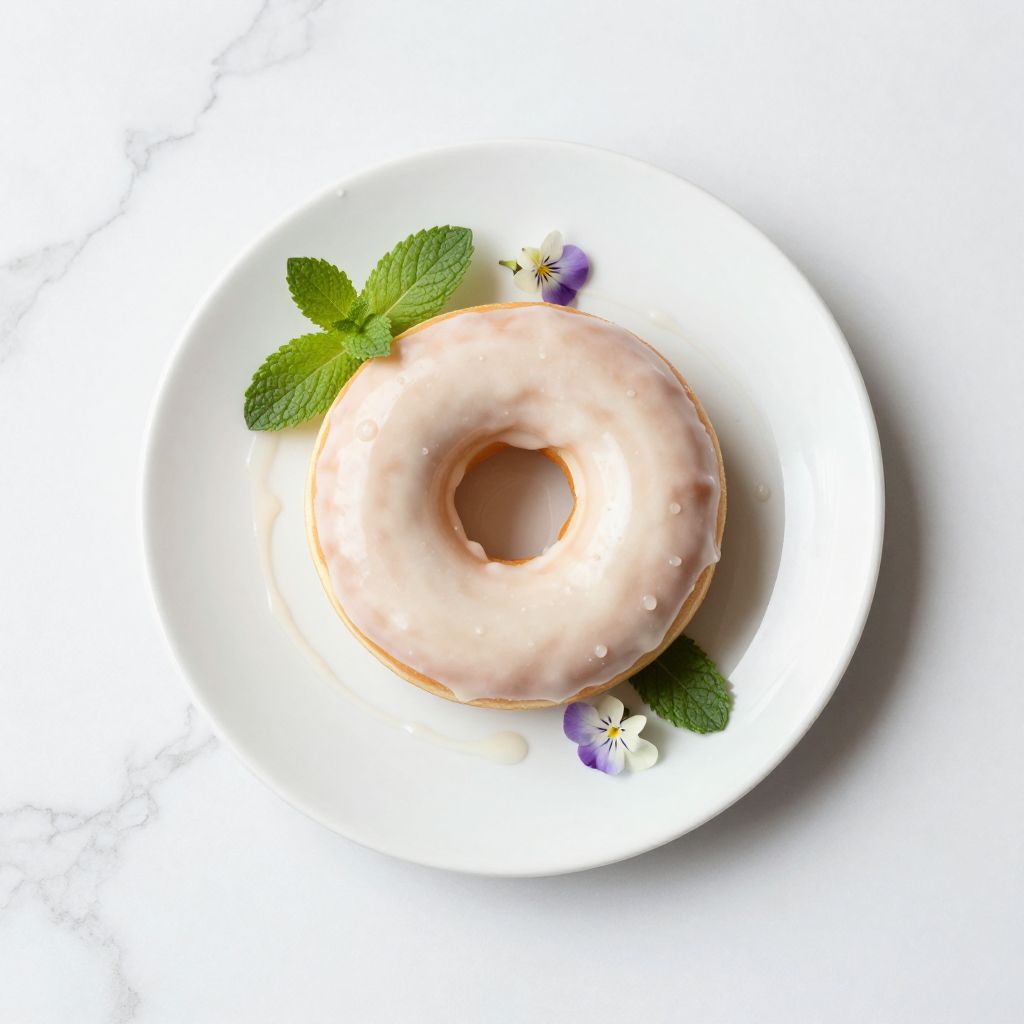
Ingredients
Equipment
Method
- Place the powdered sugar in a medium bowl and sift it to remove any lumps. This step prevents those annoying little clumps that refuse to dissolve and ruin your smooth glaze.
- Pour in 3 tablespoons of milk, the vanilla extract, and a pinch of salt. Starting with less liquid gives you better control over the final consistency.
- Whisk the mixture vigorously for about 30 seconds until completely smooth and no sugar clumps remain. The glaze should look thick but pourable at this stage.
- Check the texture by lifting your whisk and watching how the glaze falls back into the bowl. If it's too thick and doesn't drip smoothly, add the remaining tablespoon of milk a teaspoon at a time. The perfect consistency coats the back of a spoon but still flows freely.
- Drizzle a small amount on one item or a corner of your baked good to check coverage and flow. This test run saves you from discovering consistency issues after you've glazed everything.
- Dip the tops of items directly into the glaze, or drizzle it over using a spoon or fork. Work quickly because the glaze begins setting within a few minutes of application. Place glazed items on a wire rack with parchment or a baking sheet underneath to catch drips.
- Let the glaze dry at room temperature for 15 to 20 minutes until it hardens to a smooth, glossy finish. Don't rush this process by refrigerating, as condensation can make the glaze cloudy and wet.
- For extra coverage or a thicker glaze layer, apply a second coat after the first has completely dried. Double glazing creates that professional bakery look with deeper shine and more pronounced sweetness.
Notes
Make your glaze slightly thicker than you think you need. You can always thin it with a few drops of milk, but adding more powdered sugar to thicken it changes the proportions. Use the glaze while your baked goods are still slightly warm but not hot. Store leftover glaze in an airtight container at room temperature for up to 4 hours.