
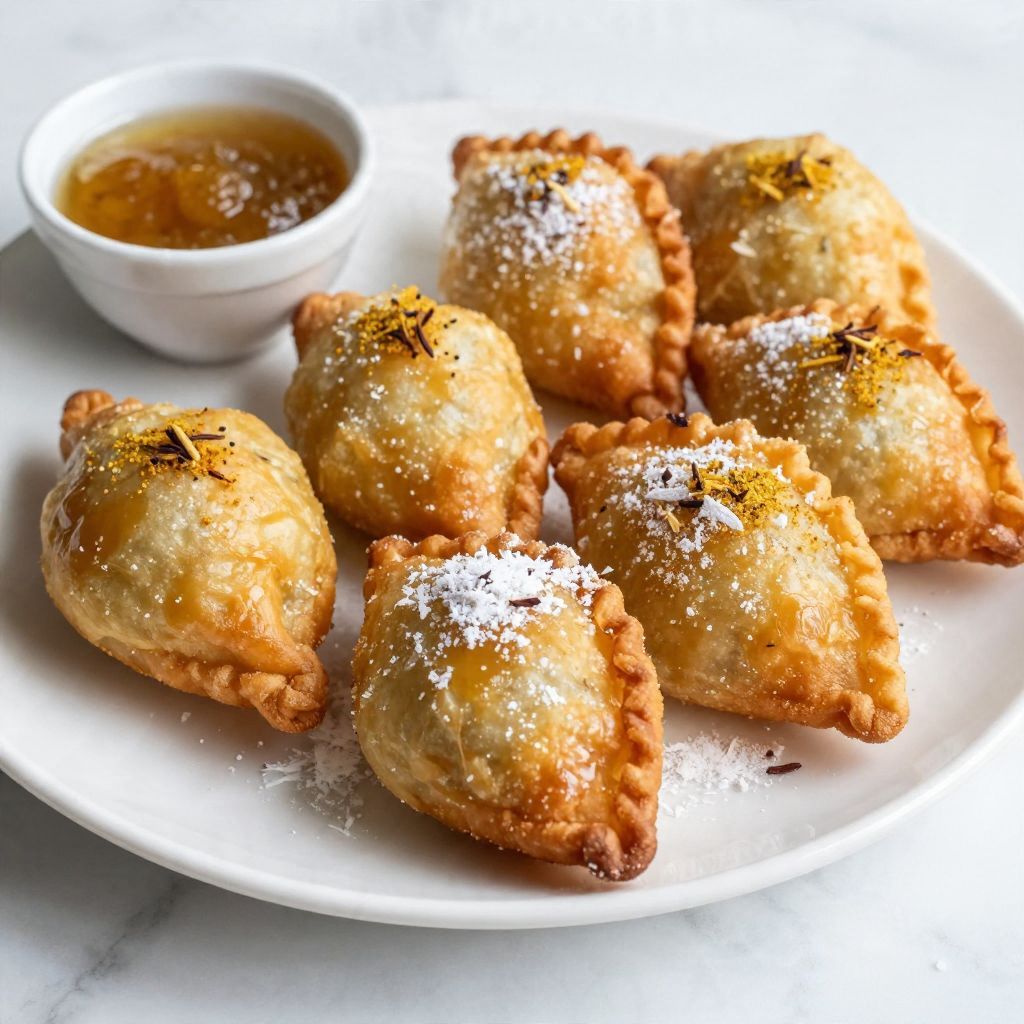
Picture this: a cozy afternoon spent in the kitchen, the aroma of warm spices filling the air as you prepare a delightful treat. Ghughra, those crispy, flaky pastries filled with a sweet or savory mixture, bring back memories of family gatherings and joyous celebrations. This recipe is not just about satisfying your cravings; it’s about creating a cherished experience that’s perfect for sharing. With its rich textures and flavors, Ghughra is versatile enough to serve at any occasion, from festive celebrations to a simple tea-time snack. Let’s dive into how to make these irresistible treats!
Why You’ll Love This Recipe
Ghughra is a delightful addition to your culinary repertoire for many reasons.
- Perfect balance of crispy and soft textures.
- Customizable fillings to suit your taste.
- Great for parties, snacks, or dessert.
- Easy to make with simple ingredients.
- Brings a taste of tradition to your table.
My Experience Making This Recipe
When I first attempted making Ghughra, I was surprised by how much joy it brought me. The process of rolling out the dough and filling each piece felt like a warm hug from my grandmother.
With each bite, I was transported back to my childhood, surrounded by family and laughter. It’s a recipe that truly resonates with love and nostalgia, making it extra special.
Recipe Overview
- Recipe Name: Ghughra
- Servings: 12 pieces
- Prep Time: 30 minutes
- Cook Time: 20 minutes
- Total Time: 50 minutes
- Course: Snack/Dessert
- Cuisine: Indian
- Calories per Serving: 150 calories
Equipment You Will Need
- Mixing bowl
- Rolling pin
- Sharp knife or pastry cutter
- Frying pan or deep fryer
- Slotted spoon
Ingredients for Ghughra
- 2 cups all-purpose flour
- 1/4 cup ghee or unsalted butter, melted
- 1/2 teaspoon salt
- 1/4 cup water (adjust as needed)
- 1 cup grated coconut (fresh or desiccated)
- 1/2 cup powdered sugar
- 1/2 teaspoon cardamom powder
- Oil for frying
Ingredient Notes and Substitutions
- All-purpose flour: Used for its elasticity and texture. You can substitute with whole wheat flour for a healthier option.
- Ghee or unsalted butter: Adds rich flavor and moisture. If you prefer, coconut oil can be an alternative.
- Grated coconut: Provides sweetness and texture. You can use almond flour for a nutty flavor.
- Powdered sugar: Sweetens the filling. Brown sugar can be used for a deeper flavor.
How to Make Ghughra
Step 1: Prepare the Dough
In a mixing bowl, combine the all-purpose flour, melted ghee, and salt. The ghee gives the dough a rich flavor and tender texture.
Step 2: Add Water
Gradually add water to the flour mixture, kneading until you form a smooth and pliable dough. This ensures your Ghughra has a soft bite.
Step 3: Rest the Dough
Cover the dough with a damp cloth and let it rest for about 15 minutes. Resting allows the gluten to relax, making it easier to roll out.
Step 4: Prepare the Filling
In another bowl, mix the grated coconut, powdered sugar, and cardamom powder. This sweet filling is what makes Ghughra exciting.
Step 5: Roll Out the Dough
Divide the dough into small balls, then roll each ball into a thin circle. The thinner the dough, the crispier your Ghughra will be.
Step 6: Fill the Dough
Place a spoonful of the coconut mixture in the center of each circle. Make sure not to overfill, or it will burst during frying.
Step 7: Seal the Ghughra
Fold the circle in half and press the edges together to seal. For a decorative touch, you can crimp the edges with a fork.
Step 8: Fry the Ghughra
Heat oil in a frying pan over medium heat. Fry each Ghughra until golden brown and crispy, about 3 to 4 minutes per side. This step is where the magic happens.
Pro Tip: Ensure the oil is hot enough before frying to avoid soggy pastries.
Tips for the Best Ghughra
- Use fresh coconut for a better flavor and texture.
- Don’t skip resting the dough; it makes a big difference.
- Keep the filling slightly moist for better consistency.
- Fry in small batches to maintain oil temperature.
- Experiment with fillings like nuts or dried fruits for variety.
Common Mistakes to Avoid
- Using cold ingredients can make the dough tough.
- Overfilling the Ghughra can lead to bursting.
- Not sealing the edges properly will cause filling to leak.
- Frying at low temperatures can make them greasy.
Serving Suggestions
Ghughra can be enjoyed warm or at room temperature. Here are some delightful pairings to consider:
- Serve with a side of chai or coffee.
- Pair with tangy tamarind chutney.
- Enjoy with a scoop of vanilla ice cream for dessert.
- Offer alongside fresh fruits for a refreshing contrast.
Variations to Try
- For a savory twist, fill with spiced potatoes instead of sweet coconut.
- Add chocolate chips to the coconut filling for a dessert version.
- Mix dried fruits with the coconut for a richer flavor.
- Try different spices like cinnamon for varied taste.
Dietary Adaptations
- Gluten-free: Substitute with a gluten-free flour blend.
- Dairy-free: Use coconut oil instead of ghee.
- Vegan: Replace ghee with vegetable oil.
- Low-carb/Keto: Use almond flour for a low-carb option.
Storage and Reheating
Refrigerator
Store leftover Ghughra in an airtight container for up to 3 days.
- Keep them at room temperature for a crispy texture.
- Reheat in the oven to restore crispiness.
Freezer
To freeze, lay them flat in a single layer on a baking sheet, then transfer to a freezer bag after freezing. They can last up to a month.
- Thaw in the refrigerator before reheating.
Reheating
Reheat in a preheated oven at 350°F (175°C) for about 10 minutes. This will help retain the crispiness.
- Avoid microwaving, as it can make them soggy.
Nutrition Information
| Nutrient | Amount |
|---|---|
| Calories | 150 |
| Total Fat | 8g |
| Saturated Fat | 4g |
| Carbohydrates | 18g |
| Fiber | 2g |
| Sugar | 5g |
| Protein | 2g |
| Sodium | 100mg |
| Cholesterol | 15mg |
This information is an estimate and may vary based on ingredients used.
Frequently Asked Questions
Can I make the dough in advance?
Yes, you can prepare the dough a day ahead and store it in the refrigerator.
What can I use instead of coconut?
You can use mashed sweet potatoes or finely chopped nuts for a different filling.
How do I store leftover Ghughra?
Store them in an airtight container at room temperature for up to 3 days.
Why are my Ghughra soggy?
This usually happens if the oil temperature is too low during frying. Make sure the oil is hot enough.
Can I bake Ghughra instead of frying?
Yes, you can brush them with oil and bake at 375°F (190°C) until golden brown for a healthier option.
Final Thoughts
Making Ghughra is not just about the end result; it’s a delightful experience that connects you with tradition. I encourage you to try this recipe and savor each crispy, flavorful bite.
For more delicious recipes, check out my Ghughra Recipe or explore a delightful Dhokla Recipe for your next culinary adventure.
Ghughra
Ingredients
Equipment
Method
- In a mixing bowl, combine the all-purpose flour, melted ghee, and salt.
- Gradually add water to the flour mixture, kneading until you form a smooth and pliable dough.
- Cover the dough with a damp cloth and let it rest for about 15 minutes.
- In another bowl, mix the grated coconut, powdered sugar, and cardamom powder.
- Divide the dough into small balls, then roll each ball into a thin circle.
- Place a spoonful of the coconut mixture in the center of each circle.
- Fold the circle in half and press the edges together to seal.
- Heat oil in a frying pan over medium heat.
- Fry each Ghughra until golden brown and crispy, about 3 to 4 minutes per side.