
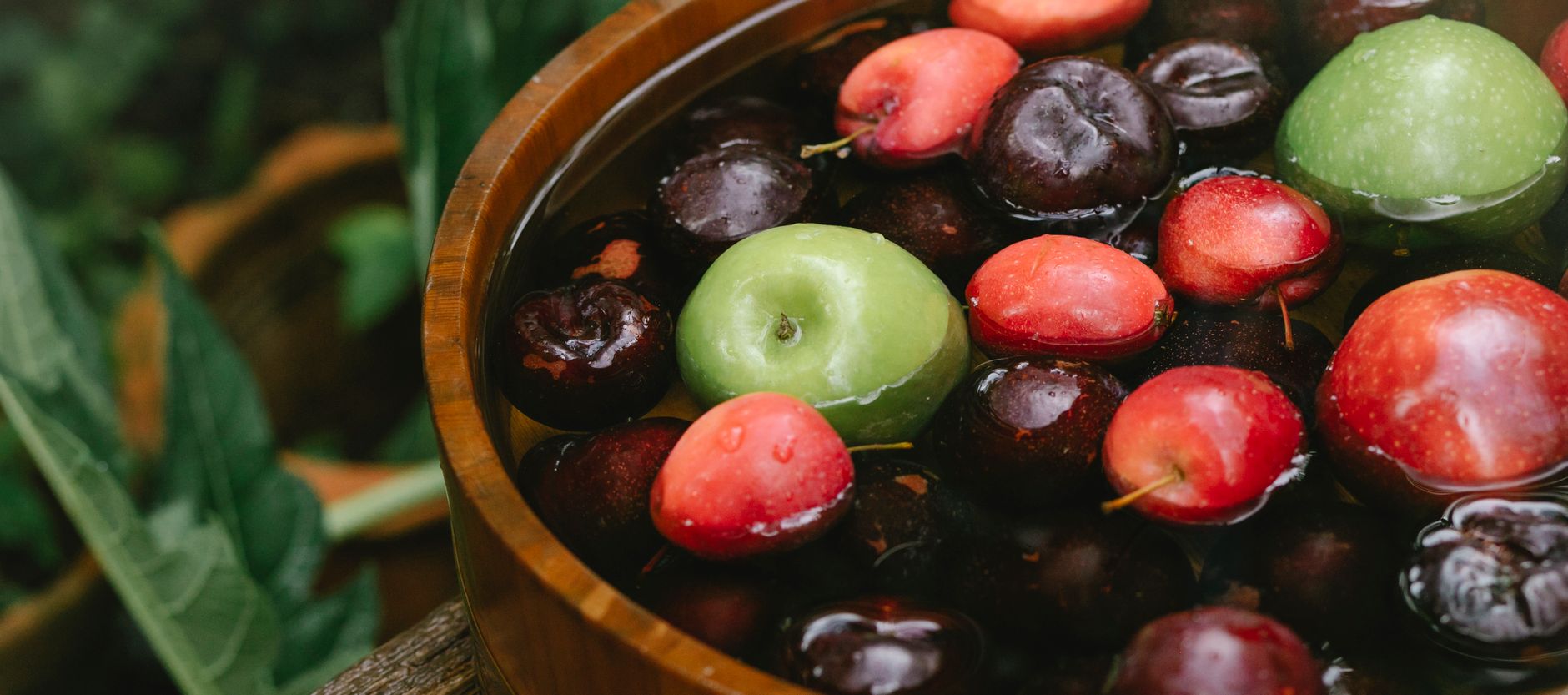
Bloating is a common digestive issue that can leave individuals feeling uncomfortable and sluggish. Fortunately, certain fruits can help alleviate this condition by promoting healthy digestion, reducing inflammation, and providing hydration. This article explores various fruits that are beneficial for bloating, how they work, and how to incorporate them into your diet for optimal digestive health.
While bloating can be triggered by various factors, focusing on a diet rich in specific fruits can serve as a natural remedy. Here, we’ll delve into the best fruits for bloating, their characteristics, nutritional benefits, and how you can enjoy them through simple recipes and preparations.
What Fruits Help with Bloating?
Certain fruits can effectively help with bloating by providing enzymes, fiber, and various nutrients. Fruits high in water content, potassium, and natural enzymes can reduce abdominal discomfort and promote healthy digestion. Some of the top fruits for bloating include bananas, pineapple, papaya, berries, watermelon, kiwi, and citrus fruits.
Why Do Fruits Help with Bloating?
Fruits contain a combination of dietary fiber, vitamins, minerals, and essential enzymes that can aid digestion. Many fruits are known for their ability to reduce gas, soothe the stomach, and enhance gut health. Here’s a breakdown of how specific nutrients in these fruits contribute to easing bloating:
- Fiber: Helps bulk up stools and promotes regular bowel movements, essential for reducing bloating.
- Water Content: High-water fruits help hydrate the body, facilitate digestion, and reduce sodium levels.
- Enzymes: Certain fruits contain natural digestive enzymes that assist in breaking down food more efficiently.
- Potassium: Aids in balancing sodium levels, helping to reduce fluid retention and bloating.
The Best Fruits for Reducing Bloating
1. Bananas
Bananas are rich in potassium, which can help regulate sodium levels in the body and reduce water retention—often a contributing factor to bloating. Bananas also contain soluble fiber, which can promote gut health by feeding beneficial bacteria in the digestive system.
2. Pineapple
Pineapple contains bromelain, an enzyme that helps break down protein and aids in digestion. Consuming pineapple can be particularly helpful after meals, as it can help ease the digestive process and reduce inflammation.
3. Papaya
Similar to pineapple, papaya contains the enzyme papain, which assists in breaking down proteins and improving digestion. Papaya can help reduce bloating and discomfort, making it a great choice for anyone facing digestive issues.
4. Berries
Berries such as strawberries, blueberries, and raspberries are high in fiber and water, which makes them excellent for promoting digestive health. Their antioxidant properties also help reduce inflammation in the body.
5. Watermelon
Watermelon is primarily composed of water, making it a hydrating fruit that can help flush out excess sodium. It also contains citrulline, an amino acid that may improve blood flow and help relieve bloating.
6. Kiwi
Kiwi is rich in fiber and contains actinidain, an enzyme that aids in protein digestion. Regular consumption of kiwi has been linked to improved bowel function and reduced bloating.
7. Citrus Fruits
Fruits like oranges, lemons, and grapefruits are packed with vitamin C and antioxidants. Their acidic nature can stimulate the digestive tract, and their high water content helps with hydration, which can reduce bloating.
How to Incorporate These Fruits into Your Diet
Incorporating these fruits into your daily meals can be an effective way to reduce bloating naturally. Here are some practical tips on how to do this:
Breakfast Ideas
- Add sliced bananas or berries to your oatmeal or yogurt.
- Blend a smoothie with pineapple, papaya, and spinach for an energizing start to your day.
- Prepare overnight oats using kiwi, chia seeds, and almond milk.
Snacks
- Snack on fresh fruit, such as apple slices topped with almond butter.
- Make fruit salad with a mix of watermelon, berries, and citrus fruits for a refreshing midday treat.
- Prepare chia pudding with coconut milk, topped with bananas and blueberries.
Lunch and Dinner
- Add diced pineapple to chicken or tofu stir-fries, enhancing flavor while aiding digestion.
- Include salads with citrus segments (like oranges and grapefruit) along with leafy greens.
- Incorporate sliced avocado paired with kiwi for a unique salad option.
Desserts
- Create a light fruit parfait by layering Greek yogurt, berries, and a drizzle of honey.
- Make a fruit sorbet with frozen watermelon, lemon juice, and mint.
- Try candied grapes as a sweet treat (#candied grapes recipe#).
Hydration
Many of the fruits mentioned can be blended into refreshing juices or smoothies. Adding fruits like watermelon and cucumbers to infused water can help stay hydrated while also aiding digestion.
Common Mistakes to Avoid When Eating Fruits for Bloating
While fruits are beneficial for reducing bloating, there are some common pitfalls to watch out for:
- Overeating: Eating too much fruit, especially fruits high in fructose, can lead to gas and bloating. Moderation is key.
- Combining Sugars: Combining fruits with high sugar content with other rich meals can cause digestive stress. It’s best to eat fruits separately from heavy meals.
- Sugar-Free Alternatives: Some sugar-free products contain sugar alcohols like sorbitol, which can lead to bloating. It’s advisable to check labels.
Tips for Managing Bloating
Along with incorporating fruits into your diet, consider these additional strategies for managing bloating:
- Stay Hydrated: Drink plenty of water throughout the day to aid digestion.
- Avoid Carbonated Beverages: These can introduce gas into your stomach.
- Practice Mindful Eating: Eat slowly and chew your food well to reduce air swallowing.
- Consider Herbal Teas: Peppermint or ginger tea can soothe digestive discomfort and alleviate bloating.
Recipes Featuring Bloating-Reducing Fruits
Here are a couple of simple recipes to help you get started on including these bloating-reducing fruits in your meals:
1. Pineapple Papaya Digestive Smoothie
This refreshing smoothie is both delicious and supportive to digestive health. It’s perfect for breakfast or an afternoon snack.
- Yield: 2 servings
- Preparation Time: 5 minutes
Ingredients:
- 1 cup chopped fresh pineapple
- 1 cup chopped papaya
- 1 banana
- 1 cup spinach (optional)
- 1 cup coconut water or almond milk
Method:
- Combine pineapple, papaya, banana, spinach (if using), and coconut water in a blender.
- Blend until smooth and creamy.
- Serve immediately, optionally adding ice for a frosty texture.
2. Watermelon Mint Salad
This light salad is not only hydrating but also packed with flavors that perfectly complement each other.
- Yield: 4 servings
- Preparation Time: 10 minutes
Ingredients:
- 4 cups cubed watermelon
- 1 cup crumbled feta cheese (optional)
- 1/4 cup fresh mint leaves, chopped
- Juice of 1 lime
- A pinch of salt (optional)
Method:
- In a large bowl, combine cubed watermelon, feta cheese, and mint leaves.
- Squeeze lime juice over the salad and sprinkle with a pinch of salt if desired.
- Toss gently and serve chilled.
Final Thoughts
Fruits can play a significant role in alleviating bloating and promoting overall digestive health. Incorporating a variety of fruits like bananas, pineapple, papaya, and berries into your diet can help reduce discomfort tied to bloating. Utilizing these fruits in delicious ways can enhance your meals while reaping their health benefits.
For those looking to add a dash of flavor to their snacks, try making candied grapes or enjoy a creamy treat like chia pudding with coconut milk.