
There’s something undeniably comforting about a warm bowl of homemade German noodles, especially when they evoke memories of family gatherings and cozy dinners. This recipe for German Noodles is a cherished tradition, celebrated for its rich flavors and delightful texture that pairs perfectly with a variety of dishes. Whether you’re serving them with a hearty sauce or alongside roasted meats, these noodles are sure to impress with their satisfying chew and buttery finish. Let’s dive into the ingredients and get cooking!
Why You’ll Love This Recipe
This recipe is a delightful fusion of simplicity and taste that will elevate your meal. Here are a few reasons to love it:
- Rich, buttery flavor that complements many dishes.
- Easy to make with just a handful of ingredients.
- Perfect for family dinners or gatherings.
- Customizable with various sauces and toppings.
- Kid-friendly and a great way to introduce new flavors.
My Experience Making This Recipe
Every time I make these noodles, the aroma fills my kitchen, instantly transporting me back to my grandmother’s cozy home. Watching the dough come together and the noodles cook is always a treat, and the anticipation builds as I prepare my favorite sauce to go with them.
When I served these noodles at a recent family gathering, they were a hit! Everyone raved about how delicious they were, and I loved seeing my kids enjoy them just as much as I did at their age.
Recipe Overview
- Recipe Name: German Noodles
- Servings: 4
- Prep Time: 15 minutes
- Cook Time: 10 minutes
- Total Time: 25 minutes
- Course: Main Course
- Cuisine: German
- Calories per Serving: 310
Equipment You Will Need
- Large mixing bowl
- Rolling pin
- Knife or pasta cutter
- Large pot for boiling
- Colander for draining
Ingredients for German Noodles
- 2 cups all-purpose flour
- 2 large eggs
- 1/2 teaspoon salt
- 1/2 cup water (as needed)
- 2 tablespoons butter (for serving)
Ingredient Notes and Substitutions
- All-purpose flour: This is the base for the noodles, giving them structure. You can substitute with whole wheat flour for a heartier texture.
- Eggs: They add richness and help bind the dough. Flax eggs or aquafaba can work for a vegan option.
- Salt: Enhances flavor. You can use sea salt or kosher salt as alternatives.
- Butter: Adds a rich flavor when serving. Olive oil or margarine can be used for a dairy-free version.
How to Make German Noodles
Step 1: Prepare the Dough
In a large mixing bowl, combine the flour and salt. Make a well in the center and add the eggs.
Step 2: Mix the Ingredients
Using a fork, beat the eggs gently, then gradually incorporate the flour from the edges. This builds a cohesive dough.
Step 3: Knead the Dough
Once combined, transfer the dough to a floured surface and knead for about 5 minutes until smooth. Kneading develops gluten, giving the noodles a nice chew.
Step 4: Let the Dough Rest
Wrap the dough in plastic wrap and let it rest for 10 minutes. Resting relaxes the gluten, making it easier to roll out.
Step 5: Roll Out the Dough
After resting, divide the dough into quarters. Roll out each piece on a floured surface to about 1/8 inch thick.
Step 6: Cut the Noodles
Use a knife or pasta cutter to slice the rolled dough into your desired noodle shapes, whether wide or thin. This step adds character to your noodles.
Step 7: Boil the Noodles
Bring a large pot of salted water to a boil. Add the noodles and cook for about 3-5 minutes until they float to the top.
Step 8: Drain and Serve
Drain the noodles in a colander and return them to the pot. Add butter and toss to coat before serving. This adds a delicious richness.
Pro Tip: For extra flavor, try sautéing the noodles in butter with garlic or herbs after boiling.
Tips for the Best German Noodles
- Use fresh eggs for a richer flavor in your noodles.
- Don’t skip the resting time; it’s crucial for smooth dough.
- Adjust the water as needed for the right dough consistency.
- Experiment with different shapes for fun presentation.
- Serve immediately for the best texture, as they can become sticky.
Common Mistakes to Avoid
- Not kneading enough; this will lead to tough noodles. Kneading builds the necessary gluten structure.
- Rolling the dough too thick; it should be thin for the best texture. Thin noodles cook quickly and are more tender.
- Overcooking the noodles; they can become mushy. Keep an eye on them as they float to the surface.
- Skipping the resting phase; this makes the dough harder to roll. Give it some time to relax.
Serving Suggestions
These German noodles are versatile and pair beautifully with various dishes. Consider these serving ideas:
- With a rich mushroom sauce for a hearty meal.
- Served alongside roasted chicken for a comforting dinner.
- Tossed with sautéed vegetables for a light option.
- Poured over a creamy cheese sauce for a decadent treat.
Variations to Try
- Add herbs such as parsley or chives to the dough for a fresh flavor.
- Incorporate spinach into the dough for a vibrant green noodle.
- Try different flours like spelt or semolina for unique textures.
- Top with crispy bacon or pancetta for an indulgent twist.
Dietary Adaptations
- Gluten-free: Use a gluten-free flour blend, adjusting liquid as needed.
- Dairy-free: Replace butter with olive oil or a vegan butter alternative.
- Vegan/Vegetarian: Use flax eggs instead of regular eggs for a plant-based option.
- Low-carb/Keto: Substitute flour with almond flour or coconut flour for a low-carb version.
Storage and Reheating
Refrigerator
Store leftover noodles in an airtight container in the fridge for up to 3 days.
- Make sure they are cooled completely before sealing.
- Reheat in a pan with a bit of butter or water to prevent sticking.
Freezer
To freeze, let the noodles cool completely, then spread them in a single layer on a baking sheet. Once frozen, transfer to a freezer bag.
- They can be frozen for up to 2 months.
- Cook from frozen in boiling water for a quick meal.
Reheating
Reheat noodles gently on the stovetop or in the microwave. Add a splash of water or broth to keep them moist.
- Microwave in short bursts, stirring in between.
- Stovetop reheating is often preferable for texture.
Nutrition Information
| Nutrient | Amount |
|---|---|
| Calories | 310 |
| Total Fat | 10g |
| Saturated Fat | 4g |
| Carbohydrates | 45g |
| Fiber | 2g |
| Sugar | 1g |
| Protein | 9g |
| Sodium | 200mg |
| Cholesterol | 150mg |
This nutritional information is an estimate and can vary based on ingredient brands and preparation methods.
Frequently Asked Questions
Can I make the dough ahead of time?
Yes, you can prepare the dough and store it in the fridge for up to a day before rolling out.
What can I substitute for eggs in this recipe?
Flax eggs or aquafaba are great substitutes for eggs in noodle recipes.
How do I prevent the noodles from sticking together?
Make sure to toss the noodles with a bit of oil or butter after draining to keep them separate.
Can I use whole wheat flour instead of all-purpose flour?
Yes, whole wheat flour will work, but the texture will be denser.
How should I store leftover noodles?
Store them in an airtight container in the refrigerator or freeze them for longer storage.
Final Thoughts
Making these homemade German noodles is a delightful experience that brings a taste of tradition to your table. I encourage you to try this recipe and enjoy the warmth it brings to your meals.
For more delicious ideas, check out my recipes for German Red Cabbage and Noodle Kugel — both make excellent companions for your German noodles!
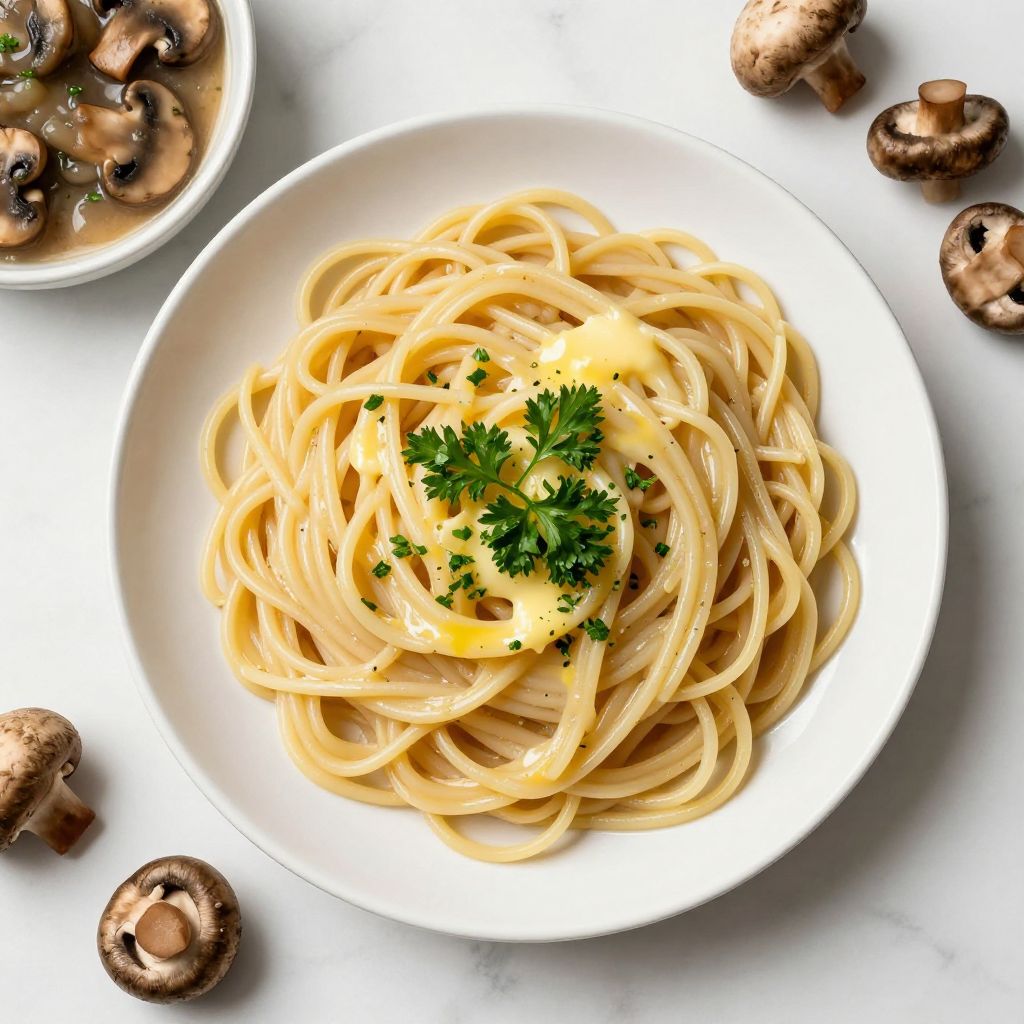
German Noodles
Ingredients
Equipment
Method
- In a large mixing bowl, combine the flour and salt. Make a well in the center and add the eggs.
- Using a fork, beat the eggs gently, then gradually incorporate the flour from the edges to build a cohesive dough.
- Transfer the dough to a floured surface and knead for about 5 minutes until smooth.
- Wrap the dough in plastic wrap and let it rest for 10 minutes.
- Divide the dough into quarters and roll out each piece on a floured surface to about 1/8 inch thick.
- Use a knife or pasta cutter to slice the rolled dough into desired noodle shapes.
- Bring a large pot of salted water to a boil. Add the noodles and cook for about 3-5 minutes until they float to the top.
- Drain the noodles in a colander and return them to the pot. Add butter and toss to coat before serving.