
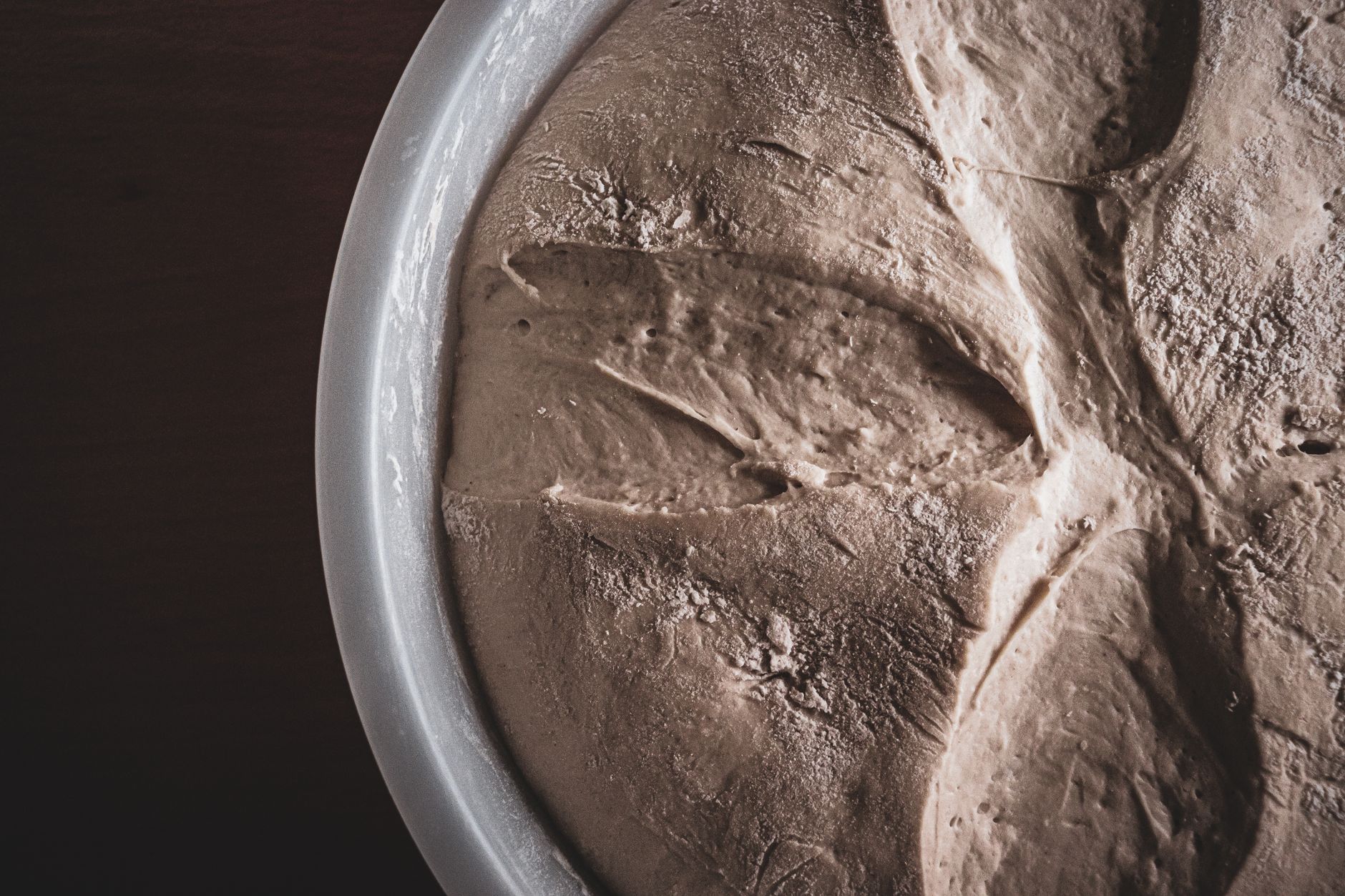
Yeast is a cornerstone ingredient in baking, used to leaven bread, enhance flavor, and improve texture. However, many home bakers may wonder, does yeast expire? Understanding the shelf life of yeast and how to store it properly can significantly influence the outcomes of your baked goods, from airy loaves to fluffy pastries.
This article will explore the different types of yeast, their expiration timelines, how to determine freshness, and best practices for storage. Whether you are a seasoned baker or just starting, knowing how to handle yeast will improve your baking results.
Does Yeast Expire?
Yes, yeast does expire. However, the lifespan of yeast varies depending on its type and storage conditions. Active dry yeast and instant yeast, when stored properly, can last beyond their printed expiration dates, while fresh yeast has a shorter shelf life. Understanding these details will help you achieve the best results in your baking endeavors.
Types of Yeast and Their Shelf Lives
There are several types of yeast available for baking, each with different properties and uses. Here’s a breakdown of the most common types and their respective shelf lives:
1. Active Dry Yeast
- **Shelf Life**: Usually lasts for about 1-2 years when stored in a cool, dry place. Once opened, it should be used within 4-6 months for optimal results.
- **Storage**: Keep in an airtight container in the refrigerator or freezer to extend its life further.
2. Instant Yeast
- **Shelf Life**: Similar to active dry yeast, instant yeast can last 1-2 years when unopened. After opening, it should ideally be used within 4-6 months.
- **Storage**: Best kept in an airtight container in a cool, dry place, or in the fridge or freezer for longer shelf life.
3. Fresh Yeast (Compressed Yeast)
- **Shelf Life**: Fresh yeast has a significantly shorter lifespan, typically lasting about 1-2 weeks when refrigerated.
- **Storage**: Wrap tightly in foil or plastic and keep in the refrigerator to maintain freshness. It should be used as soon as possible for the best results.
4. Nutritional Yeast
- **Shelf Life**: Can last up to 2 years when stored in a cool, dry place. Once opened, it should ideally be used within 6 months.
- **Storage**: Keep in an airtight container in a pantry or fridge to prolong freshness.
How to Determine if Yeast is Still Active
Before baking, it is crucial to ensure that your yeast is still active, especially if it is nearing or past the expiration date. Here’s how to test it:
- **Proofing the Yeast**: Mix one packet (about 2 ¼ teaspoons) of active dry or instant yeast with 1 cup of warm water (between 100°F and 110°F) and 1 tablespoon of sugar. Stir and let it sit for 5-10 minutes.
- **Check for Bubbles**: If the mixture becomes frothy and bubbly, the yeast is still active and usable. If it remains flat, it is best to discard it.
Best Practices for Storing Yeast
Proper storage of yeast is crucial to prolong its shelf life and maintain its potency.
1. Sealed Containers
Always store yeast in an airtight container to prevent moisture and air exposure, which can kill the yeast cells. If you’ve purchased yeast in bulk, transfer it to a suitable container quickly.
2. Keep it Cool
Yeast thrives in cool, dry places. For long-term storage, refrigeration or freezing is recommended. Just make sure to bring it back to room temperature before use.
3. Avoid Heat and Humidity
Keep yeast away from heat sources, such as ovens, and damp places, as these factors can significantly reduce its effectiveness.
Common Mistakes When Using Yeast
Understanding common pitfalls can help you avoid mistakes that affect your baked goods.
1. Using Expired Yeast
Always check the expiration date before starting your recipe. Using expired yeast can result in dense, unrisen bakes that leave you disappointed.
2. Not Proofing Dry Yeast
When using active dry yeast, it’s important to proof it before using. Skipping this step can lead to unexpected results.
3. Incorrect Water Temperature
Using water that is too hot can kill the yeast, while water that is too cold may not activate it. Always aim for a temperature between 100°F and 110°F.
4. Over or Under-Working Dough
Proper kneading and working of dough are crucial for gluten development, which affects the rise. Be sure to follow the kneading times specified in your recipe for the best texture.
Using Yeast in Baking: Key Techniques
To achieve great results when baking with yeast, you should grasp some key techniques.
1. Kneading
Kneading dough helps develop gluten, giving bread its structure. Proper kneading also distributes the yeast evenly throughout the dough.
2. Proofing
Proofing is the process of allowing the dough to rise, which requires patience. After mixing the dough, let it rise in a warm, draft-free place until it has doubled in size, usually around 1-2 hours.
3. Shaping
Carefully shape your dough to maintain some air bubbles within it, providing a good texture. Overworking can deflate your yeast bubbles, resulting in denser bread.
Common Recipes Using Yeast
Many delicious recipes can be enjoyed using yeast. Here are a few ideas:
- **Traditional Bread**: Simple loaves made with flour, water, salt, and yeast.
- **Cinnamon Rolls**: Soft, sweet rolls with a spiced filling and glazings.
- **Pizza Dough**: A versatile base for any pizza flavor you desire.
- **Focaccia**: An Italian flatbread that can be topped with various herbs and toppings.
- **Bagels**: Chewy, dense bread circles that can be boiled before baking for texture.
Tips for Successful Baking with Yeast
For successful yeast baking, consider the following tips:
- **Room Temperature Ingredients**: Ensure ingredients like eggs and milk are at room temperature for even distribution.
- **Don’t Rush**: Allow your dough the time it needs to rise adequately; patience pays off.
- **Use a Scale**: Measuring ingredients by weight can improve accuracy in baking.
- **Environment Matters**: Humidity can affect your dough texture; adjust flour as necessary.
- **Experiment**: Don’t be afraid to try new recipes and techniques; baking is as much art as it is science.
Frequently Asked Questions about Yeast
1. Can I use expired yeast?
While it’s best to avoid using expired yeast, testing its potency through proofing can help determine if it’s still effective.
2. How long can I keep opened yeast?
After opening, active dry and instant yeast should be used within 4-6 months for best results, while fresh yeast should be used as soon as possible, usually within a week or two.
3. Is there a difference between active dry and instant yeast?
Yes, active dry yeast requires proofing before use, while instant yeast can be mixed directly into dry ingredients. Instant yeast also has a faster rise time.
4. What happens if I add too much yeast?
Excess yeast can cause your dough to rise too quickly, resulting in an overpowering yeast flavor and potential collapse during or after baking.
Conclusion
Understanding yeast’s shelf life, how to test its potency, and the best practices for using and storing it can greatly enhance your baking. Rather than letting expired or ineffective yeast derail your efforts, apply these techniques to enjoy a range of delicious baked goods.
As you prepare to engage in your next baking project, why not delve into topics like the difference between bleached and unbleached flour, or explore the fascinating world of sourdough? Each of these elements can further enrich your baking journey.