
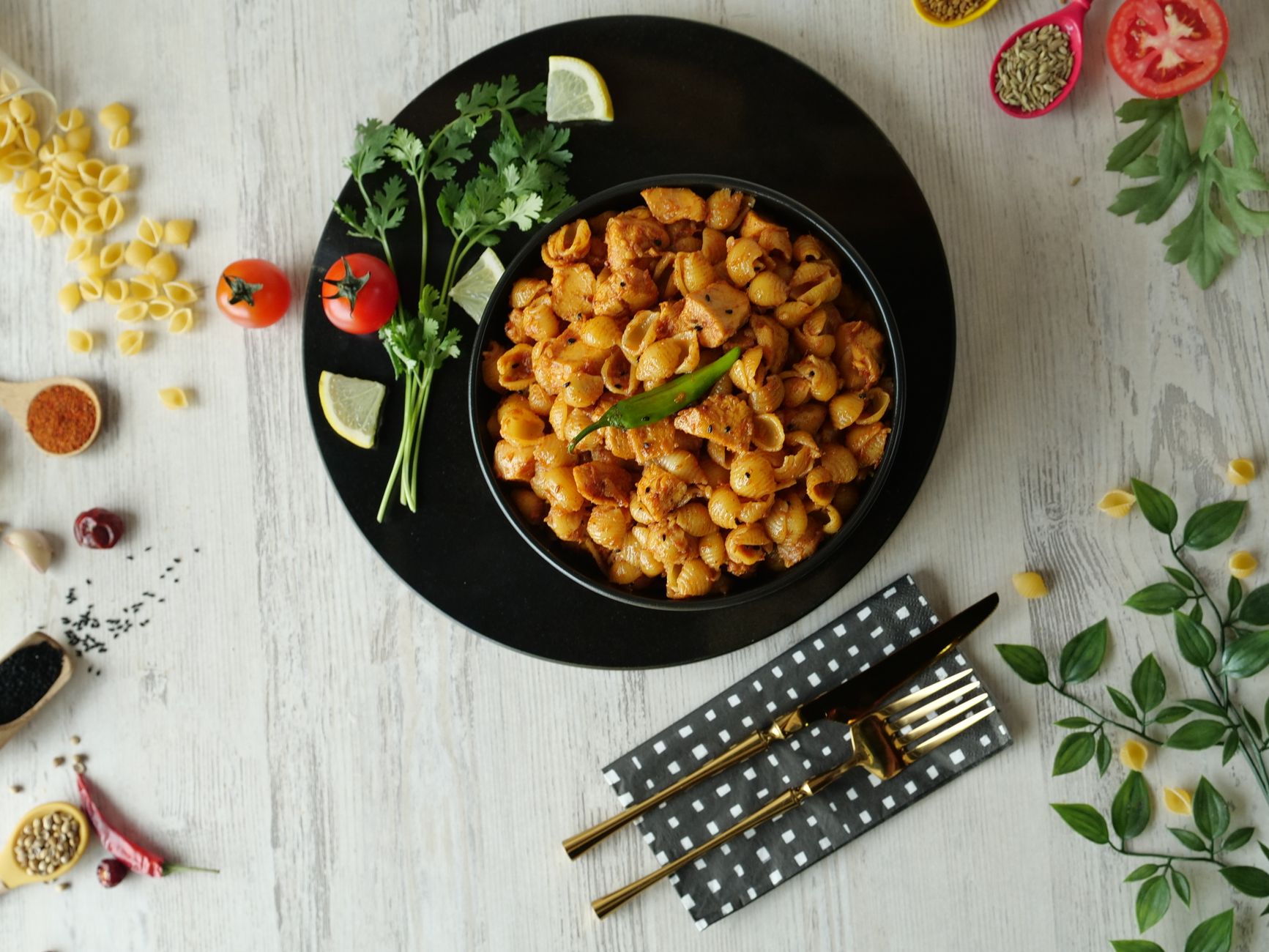
Pasta is a beloved staple in many kitchens worldwide, known for its versatility and ease of preparation. One concern that often arises is whether pasta contains sodium, which can be a key factor in meal planning, especially for those monitoring their sodium intake for health reasons.
In this article, we’ll explore the sodium content in various types of pasta, examine nutrition facts, serving sizes, and how cooking methods affect sodium levels. Understanding these aspects can help you make informed choices when incorporating pasta into your diet.
Does Pasta Have Sodium?
Yes, pasta does contain sodium, but the levels depend largely on the type and brand of pasta, as well as how it is prepared. Dried pasta typically has little to no sodium, while fresh pasta may have more due to added ingredients. It’s essential to read the packaging carefully to understand the sodium content of your specific pasta choice.
Types of Pasta and Their Sodium Content
The sodium content in pasta can vary markedly based on its type and preparation method. Below, we’ll break down the sodium levels of several common pasta types, both dried and fresh.
Dried Pasta
- Standard White Pasta: Most standard dried pasta varieties, such as spaghetti or penne, contain less than 5 mg of sodium per serving (about 2 ounces dry). This makes it an excellent choice for low-sodium diets.
- Whole Wheat Pasta: Similar to white pasta, whole wheat pasta typically contains about 0-4 mg of sodium per serving. It offers additional fiber and nutrients without significantly increasing sodium levels.
- Semi-Dried and Specialty Pasta: Some specialty dried pastas, especially flavored or extruded varieties, may contain added salt for flavoring, which can increase sodium content to 100 mg or more per serving.
Fresh Pasta
Fresh pasta can contain more sodium compared to dried versions due to the ingredients used in the dough. Here are some points to consider:
- Homemade Fresh Pasta: If you make your own fresh pasta, you can control the sodium content. Ingredients like flour, eggs, and water contain negligible sodium, but any added salt can affect the total.
- Store-Bought Fresh Pasta: This variety can vary widely in sodium content. Typically, fresh pasta ranges from 150-250 mg of sodium per serving due to ingredients and preservatives. Always check the nutritional label.
Pasta Sauces and Their Impact
While the pasta itself might be low in sodium, sauces often introduce significant amounts of salt. Here are some common sauce types and their sodium levels:
- Marinara Sauce: A standard marinara sauce can have between 400-800 mg of sodium per serving. Opt for low-sodium versions if you need to reduce sodium intake.
- Alfredo Sauce: This creamy sauce usually contains around 600-900 mg of sodium per serving. Preparing it at home allows you to manage salt levels.
- Pesto Sauce: Store-bought pestos can have similar sodium levels, ranging from 240-700 mg per serving. Making it fresh limits sodium intake significantly.
Nutrition Facts for Pasta
Understanding the nutrition facts of pasta beyond sodium is crucial for a balanced diet. The following outlines essential information for commonly consumed pasta types.
| Pasta Type | Calories (per 2 oz dry) | Carbohydrates (g) | Protein (g) | Fiber (g) | Sodium (mg) |
|---|---|---|---|---|---|
| Standard White Pasta | 200 | 42 | 7 | 2 | 0-5 |
| Whole Wheat Pasta | 210 | 40 | 8 | 6 | 0-4 |
| Fresh Pasta | 220 | 41 | 8 | 2 | 150-250 |
Recommended Serving Sizes
The serving size of pasta can significantly impact sodium intake and overall nutrition. Here’s a guideline for appropriate portions:
- Dry Pasta: A typical serving is about 2 ounces dry, which yields approximately 1 cup of cooked pasta.
- Fresh Pasta: For fresh pasta, a serving is around 4 ounces due to its denser texture and higher moisture content.
- Check Labels: Always check the packaging for specific serving sizes and any sodium content listed.
Cooking Methods and Sodium Levels
How you prepare and cook pasta can also have an impact on its sodium content, especially when it comes to boiling.
Boiling Pasta
When boiling pasta, many people add salt to the water to enhance flavor. While it can make a difference in taste, it can also significantly increase sodium content:
- Salted Water: Adding about 1 tablespoon of salt to boiling water can add roughly 2,300 mg of sodium to the dish. However, only a portion will be absorbed by the pasta. To adjust for a lower sodium intake, consider using just enough salt for flavor.
- Rinsing Pasta: Rinsing cooked pasta can help remove some sodium and starch, but this may also wash away important flavors and nutrients.
Creative Alternatives
There are several ways to prepare pasta while keeping sodium levels low:
- Use Herbs and Spices: Flavoring your pasta with fresh herbs or spices like garlic, basil, or chili flakes can reduce the need for salt.
- Broth or Stock: If cooking pasta in broth, choose low-sodium options to control overall sodium levels.
Practical Tips for Lowering Sodium Intake in Pasta Dishes
Here are some practical strategies to reduce sodium levels when enjoying pasta:
- Select Low-Sodium Sauces: Look for sauces labeled as low-sodium or make your own using fresh ingredients.
- Evaluate Pre-Packaged Ingredients: When using package products like cheese or meat, check for sodium content, as these can increase overall levels.
- Control Portion Sizes: Monitoring the amounts of pasta and sauce you use can significantly impact sodium intake.
- Emphasize Vegetables: Adding more vegetables can enhance flavor without needing extra sodium, as they can provide a satisfying texture and taste depending on what you choose.
Common Misconceptions About Pasta and Sodium
There are many misunderstandings regarding pasta, sodium, and overall nutrition. Here are some common myths debunked:
- Myth 1: All pasta is high in sodium.
Fact: Most standard dried pasta is low in sodium, while prepared sauces and fresh varieties may contain more. - Myth 2: Rinsing pasta eliminates all sodium.
Fact: While rinsing can reduce sodium intake slightly, it often removes flavor and doesn’t completely eliminate sodium. - Myth 3: Whole grain pasta always contains more sodium.
Fact: Whole wheat pasta is not necessarily higher in sodium than white pasta; always check nutritional labels.
Serving Pasta for Healthier Meals
Incorporating pasta into a healthy diet involves balanced portion sizes and mindful choices:
- Balanced Plate: Combine pasta with lean proteins like grilled chicken, fish, or legumes to create a heartier meal.
- Mix It Up: Consider half portions of pasta along with more vegetables to maintain flavor while reducing calories and sodium.
- Healthy Sauce Alternatives: Blend vegetables into sauces; for example, a blended sauce made with roasted peppers or butternut squash can provide the creaminess without all the calories and sodium.
Conclusion
Understanding the sodium content in pasta is vital for those monitoring their intake. With careful planning and mindful choices, you can enjoy pasta while keeping sodium levels in check. Choose your pasta wisely, explore sauce options, and get creative in the kitchen!
Further explore the world of pasta with our article on what pasta is made of and learn about other ingredients like flat iron steak to complement your meals.