
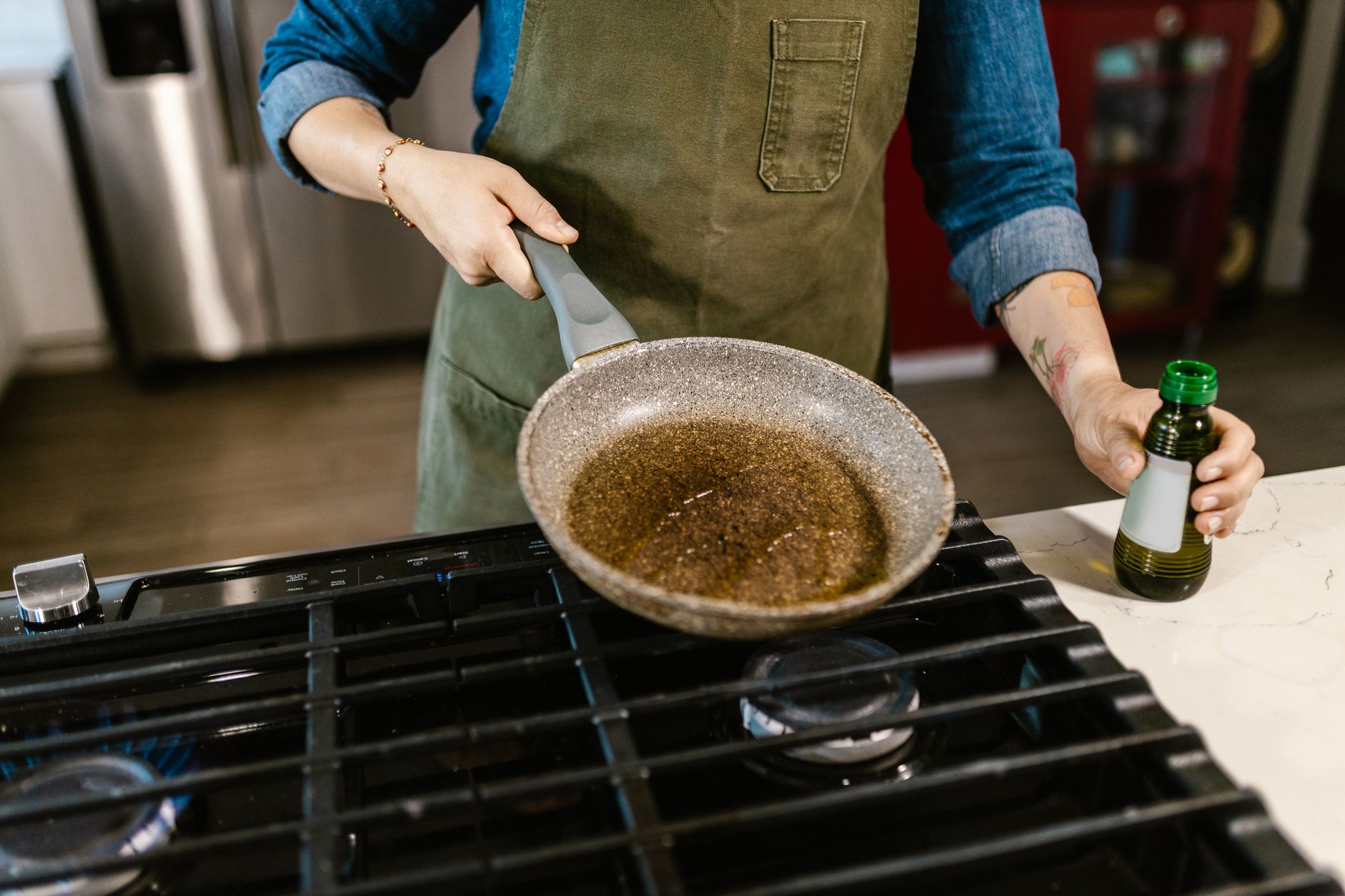
Extra virgin olive oil (EVOO) is renowned for its rich flavor and health benefits, making it a staple in many kitchens. But can you use it for frying? This article dives into the nuances of using EVOO for frying, exploring its smoke point, flavors, and best practices.
With the right guidance, you can elevate your frying technique, enhance your dishes, and make the most of this versatile oil. Let’s explore the ins and outs of frying with extra virgin olive oil.
Can You Use Extra Virgin Olive Oil for Frying?
Yes, you can use extra virgin olive oil for frying, but with some considerations. Its smoke point is lower than that of many vegetable oils, which can lead to bitterness if overheated. However, when used correctly, olive oil can impart a delightful flavor to your fried dishes.
Understanding Extra Virgin Olive Oil
Extra virgin olive oil is the highest quality olive oil, derived from the first cold pressing of olives without the use of heat or chemicals. This process preserves its flavor, aroma, and health-promoting antioxidants.
Its flavor can range from fruity to peppery, depending on the type of olives used and the region they are grown. EVOO is also packed with monounsaturated fats, making it a heart-healthy choice.
Smoke Point of Extra Virgin Olive Oil
The smoke point of extra virgin olive oil typically ranges between 375°F and 405°F (190°C to 207°C). This is significantly lower than refined oils like canola or vegetable oil, which can reach up to 450°F (232°C). Understanding this is crucial for successful frying.
Why Does Smoke Point Matter?
The smoke point is the temperature at which an oil begins to smoke and break down. When an oil reaches its smoke point, it can produce harmful compounds and a burnt flavor. Frying at high temperatures can lead to poor culinary results and affect the healthiness of your food.
Best Practices for Frying with Extra Virgin Olive Oil
1. **Choose the Right Dish**: When frying, opt for foods that don’t require deep frying. Items like vegetables, fish, and potatoes are great candidates. Avoid foods that take excessive time to cook, as they may exceed the smoke point if fried too long.
2. **Monitor the Temperature**: Use a cooking thermometer to keep track of oil temperature, aiming for the 350°F (175°C) range, which is ideal for frying without reaching the smoke point too quickly.
3. **Work in Batches**: If you have a lot to fry, doing it in smaller batches will help maintain the temperature, ensuring that the oil doesn’t overheat when you introduce cooler food items.
4. **Use for Sautéing or Pan-Frying**: Extra virgin olive oil works excellently for sautéing vegetables or pan-frying proteins. These methods allow for heat management while maximizing flavor.
Flavor Enhancements and Culinary Uses
One of the significant advantages of using extra virgin olive oil for frying is the depth of flavor it adds. Here are a few ways to leverage this:
- Vegetables: Frying vegetables in EVOO can enhance their natural sweetness, making for a delicious side dish. Try frying bell peppers, zucchini, or mushrooms.
- Seafood: Fish and shellfish fried in olive oil can soak up its flavor, resulting in tender, flavorful dishes. Just be mindful of cooking times to prevent overcooking.
- Potatoes: Whether making home fries or sautéed potatoes, the combination of crispy texture and the fruity notes from olive oil is delightful.
Common Mistakes and Troubleshooting
While frying with extra virgin olive oil can yield fantastic results, there are pitfalls to avoid:
Not Preheating the Oil
Ensure that the oil is adequately preheated before adding food. Adding food to cold oil can result in a greasy texture rather than a crispy one.
Overcrowding the Pan
Placing too much food in the frying pan can drop the oil’s temperature quickly, leading to soggy food. Stick to smaller batches for the best outcome.
Using the Wrong Temperature
Monitor temperature closely. If the oil starts to smoke, remove it from heat immediately. This prevents burnt flavors from seeping into your dish.
Storage and Reuse of Olive Oil
After frying, the olive oil can typically be reused for frying again, but storage is essential. Strain out any food particles and store the oil in a cool, dark place. However, after repeated use, it’s advisable to discard the oil, especially if it has developed an off smell or flavor.
Alternatives to Extra Virgin Olive Oil for Frying
If you’re looking for alternatives to use alongside EVOO, consider these options, each with its own flavor and cooking properties:
- Refined Olive Oil: With a higher smoke point than EVOO, it is suitable for frying while maintaining some olive oil flavor.
- Vegetable Oil: Mild in flavor and high in smoke point, this option is perfect for deep frying.
- Canola Oil: Another neutral option that is great for high-heat frying and baking.
- Avocado Oil: Known for its high smoke point and health benefits, it can also provide a buttery flavor.
Health Benefits of Frying with Extra Virgin Olive Oil
Using extra virgin olive oil in your cooking can offer various health benefits:
- Rich in Antioxidants: EVOO is rich in oleocanthal, a compound known for its anti-inflammatory properties.
- Heart Health: Monounsaturated fats in olive oil may help improve cholesterol levels and decrease the risk of heart disease.
- Flavor Over Fat: Because EVOO tastes great, you might use less than other oils, maintaining good flavor while reducing overall fat intake.
Recipes for Frying with Extra Virgin Olive Oil
If you’re ready to try frying with EVOO, here are a couple of recipes that shine using this versatile oil:
Olive Oil Fried Zucchini
Yield: Serves 4 | Preparation Time: 10 minutes | Cooking Time: 10 minutes | Total Time: 20 minutes
Ingredients:
- 2 large zucchinis, sliced into rounds
- 1/2 cup all-purpose flour
- 1/2 cup grated Parmesan cheese
- 1 teaspoon salt
- 1/2 teaspoon black pepper
- 1/4 cup extra virgin olive oil
- Lemon wedges for serving
Equipment:
- Large frying pan
- Paper towels for draining
- Mixing bowl
Method:
- In a mixing bowl, combine flour, Parmesan cheese, salt, and pepper.
- Coat zucchini rounds in the flour mixture, shaking off excess flour.
- Heat olive oil in a large frying pan over medium heat.
- Add coated zucchini in batches, frying until golden brown and crispy, about 3 minutes per side.
- Remove from oil and drain on paper towels. Serve warm with lemon wedges.
Pan-Fried Salmon with Olive Oil
Yield: Serves 2 | Preparation Time: 5 minutes | Cooking Time: 8 minutes | Total Time: 13 minutes
Ingredients:
- 2 salmon fillets, skin on
- Salt and pepper to taste
- 2 tablespoons extra virgin olive oil
- Lemon slices
- Fresh herbs for garnish (optional)
Equipment:
- Large frying pan
- Spatula
Method:
- Season the salmon fillets with salt and pepper.
- Heat the olive oil in a frying pan over medium-high heat.
- Place the salmon fillets skin-side down in the pan and cook for about 4-5 minutes, depending on thickness.
- Carefully flip the fillets and fry for an additional 3-4 minutes until cooked through.
- Serve with lemon slices and garnish if desired.
Frying with extra virgin olive oil can enhance both the flavor and nutritional profile of your meals. By understanding its properties and using it correctly, you can enjoy crispy, delicious dishes that reflect the rich Mediterranean culinary tradition.
Explore further culinary possibilities with our guides on ingredient substitutions at substituting avocado oil for olive oil and meal prep tips like discovering how long to air fry boneless skinless chicken thighs at air frying chicken thighs.