
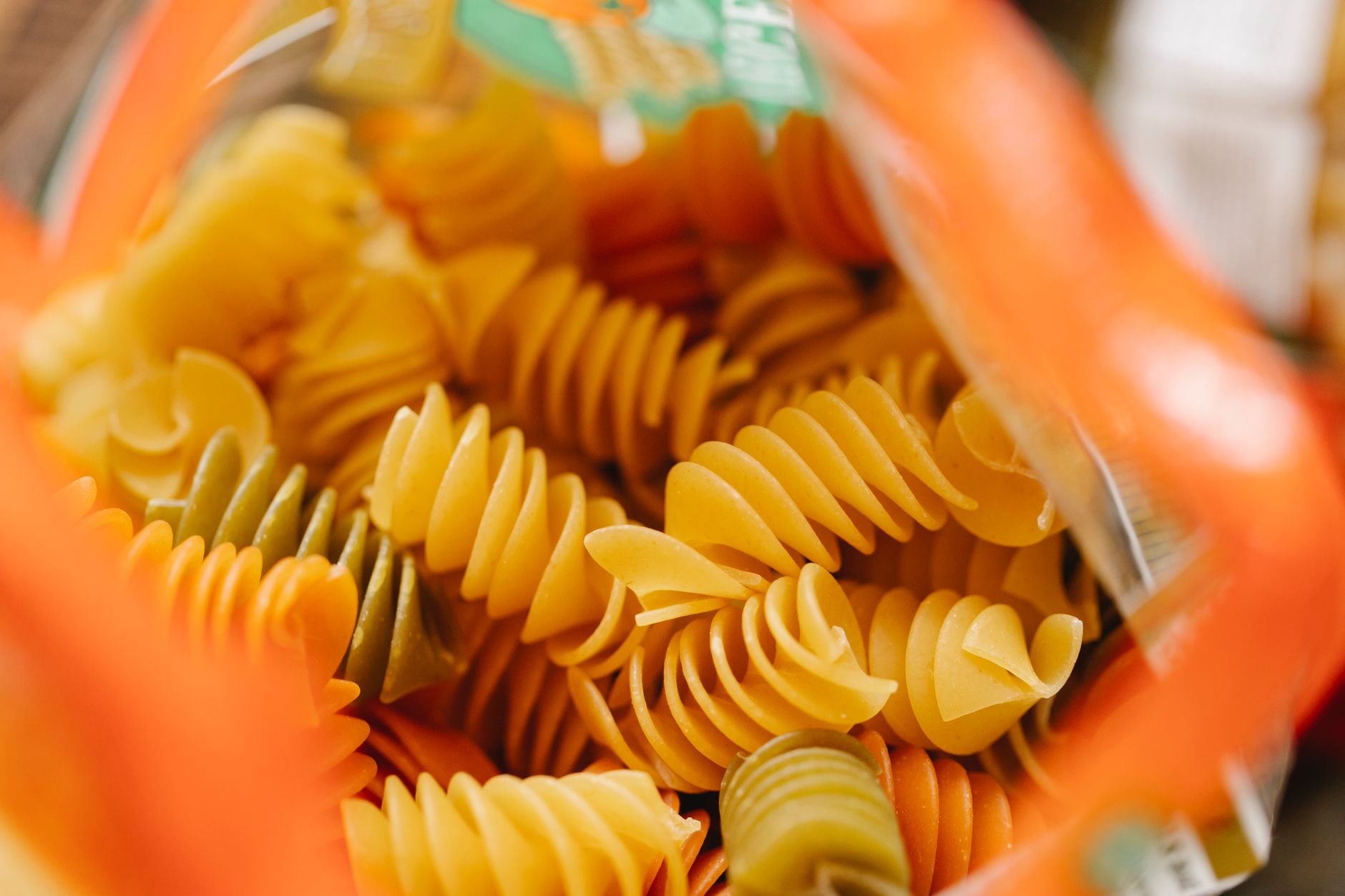
Pasta is a beloved staple in many kitchens, valued for its versatility and ease of preparation. However, if you’re like many home cooks, you may wonder: does pasta go bad? Understanding pasta storage, shelf life, and the signs of spoilage can help you make the most of this pantry essential and reduce food waste.
This article explores the factors that affect pasta’s longevity, how to store it properly, and how to determine when your pasta has gone bad. Whether you have dry, fresh, or cooked pasta, this guide will ensure you know how to enjoy it safely.
Does Pasta Go Bad?
Yes, pasta can go bad, but the rate at which this occurs depends on the type of pasta and how it is stored. Dry pasta has a long shelf life, while fresh and cooked pasta should be consumed more quickly. Knowing how to store each type correctly can significantly extend its usability.
The Shelf Life of Different Types of Pasta
Understanding the shelf life of various pasta types helps in planning your meals and preventing waste. Here’s a breakdown of the different types of pasta and their typical shelf lives:
Dry Pasta
- Unopened packages: 1 to 2 years beyond the “best by” date.
- Opened packages: 1 year if stored properly in a cool, dry place.
Dry pasta is shelf-stable due to its low moisture content. It can often be used well past its “best by” date as long as it shows no visible signs of spoilage.
Fresh Pasta
- Uncooked fresh pasta: 1 to 2 days when refrigerated.
- Cooked fresh pasta: 3 to 5 days in the fridge.
Fresh pasta contains more moisture, which makes it more perishable. It’s best consumed soon after purchase, but can be frozen for longer storage.
Cooked Pasta
- Refrigerated cooked pasta: 3 to 5 days.
- Frozen cooked pasta: 1 to 3 months.
Cooked pasta can spoil quickly, especially when mixed with sauces or other ingredients. Proper refrigeration or freezing can extend its life significantly.
Signs That Pasta Has Gone Bad
Identifying the signs of spoilage can prevent you from consuming pasta that is no longer safe to eat. Here are the main indicators to watch for:
Dry Pasta
- No visible signs of mold or insects.
- Unusual odors, such as a rancid smell.
- Change in color or texture, such as a soft or sticky feel.
If there’s evidence of any of these signs, it’s best to discard the dry pasta.
Fresh Pasta
- Presence of mold or a slimy texture.
- Off smells, such as sour or unpleasant odors.
- Color change, particularly dark patches or discoloration.
Fresh pasta should be checked closely as it can spoil quickly. If you see any of these signs, it is advisable to err on the side of caution and dispose of it.
Cooked Pasta
- Visible mold or an off-smell.
- Change in texture, becoming mushy or slimy.
- Excessive dryness if it has been frozen too long (freezer burn).
Once cooked, pasta can become a breeding ground for bacteria if not properly stored. Always check your leftovers before consuming.
Proper Storage Techniques for Pasta
Keeping your pasta fresh for as long as possible requires proper storage. Here are practical tips for storing dry, fresh, and cooked pasta:
Storing Dry Pasta
- Keep in a cool, dry place away from direct sunlight.
- Store in an airtight container to prevent moisture and pests.
- Label and date opened packages to track their usability.
Storing Fresh Pasta
- Refrigerate in an airtight container or bag.
- Consume within a couple of days for the best quality.
- For longer storage, freeze fresh pasta in a single layer before transferring to a freezer-safe container.
Storing Cooked Pasta
- Store in a sealed container in the refrigerator for up to 5 days.
- For long-term storage, freeze cooked pasta with some sauce to prevent it from clumping.
How to Freeze Pasta
Freezing pasta is a great way to extend its shelf life, especially if you have leftovers or fresh pasta you won’t use right away. Here’s how:
Freezing Dry Pasta
It’s generally unnecessary to freeze dry pasta, since it has a long shelf life. However, if you live in a humid environment, you can store it in the freezer to prevent any moisture from getting in.
Freezing Fresh Pasta
- Lay pasta in a single layer on a baking sheet, ensuring none are touching.
- Freeze until firm, about 1 hour.
- Transfer to a freezer-safe bag or container, label, and date.
Freezing Cooked Pasta
- Cool cooked pasta to room temperature.
- Portion it into airtight freezer-safe bags, adding a small amount of olive oil or sauce to prevent sticking.
- Seal, label, and store in the freezer for 1 to 3 months.
Thawing and Reheating Frozen Pasta
To enjoy frozen pasta, you need to thaw and reheat it properly. Here are some effective methods:
Defrosting Frozen Pasta
- In the refrigerator overnight for gradual thawing.
- In the microwave using the defrost setting.
Reheating Cooked Pasta
- Heat in a pot of boiling water for a few minutes until warmed through.
- Microwave with a splash of water, covered, to retain moisture.
- Sauté in a pan with sauce or oil until heated evenly.
Common Mistakes to Avoid When Using Pasta
To ensure the best experience with your pasta, here are some common mistakes to avoid:
- Storing pasta in a humid pantry, which can promote mold.
- Not sealing opened packages tightly, allowing moisture entry.
- Cooking pasta too long or at the wrong temperature, leading to mushiness.
- Not tasting the pasta before adding sauces or seasonings.
Frequently Asked Questions about Pasta Storage
Can you eat expired pasta?
Expired dry pasta is usually safe to eat as long as it shows no signs of spoilage. Fresh and cooked pasta should be consumed before their expiration dates for optimal safety and quality.
How long can you keep pasta in the fridge?
Fresh pasta can typically last 1 to 2 days, and cooked pasta can last 3 to 5 days in the refrigerator. Always check for signs of spoilage before consumption.
How can you tell if cooked pasta is bad?
Look for mold, an off smell, and changes in texture. If any of these signs are present, it’s best to throw it away.
Can you freeze dry pasta?
While it’s generally unnecessary, you can freeze dry pasta in extremely humid climates to preserve its quality. Ensure it’s stored in an airtight container.
Conclusion
Pasta is a flexible food that can feed many meals if stored properly. By understanding the types of pasta and their shelf lives, you can reduce waste and enjoy delicious dishes at any time. Take care to store, freeze, and reheat your pasta correctly, always keeping an eye on any signs of spoilage.
Next time you open a bag of pasta, check out our guide on what pasta is made of or try a delicious million dollar spaghetti recipe for a satisfying meal.