
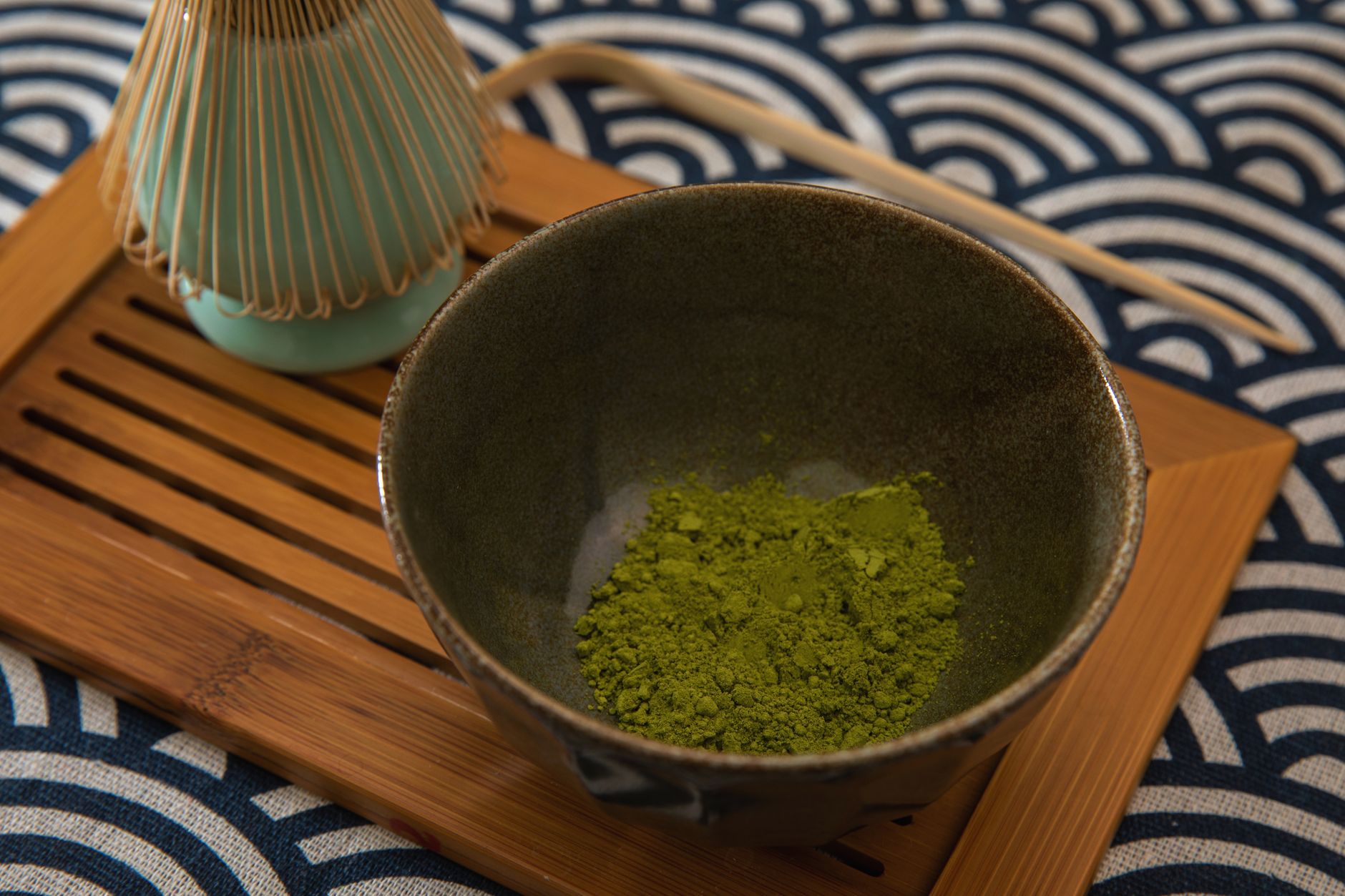
Matcha, the finely ground powder of specially grown green tea leaves, is enjoyed in various ways, from beverages to desserts. As its popularity among health-conscious consumers grows, many wonder about its nutritional content, particularly concerning sugar. This article will explore whether matcha contains sugar, its culinary uses, and how to incorporate it into your diet effectively.
Understanding matcha and its sugar content can help you make informed choices, especially if you are watching your sugar intake. Let’s delve into the details of matcha, including its origins, uses, and nutritional information.
Does Matcha Have Sugar?
Matcha itself does not contain sugar. It is made from whole green tea leaves that are ground into a fine powder, retaining all of the leaf’s nutrients without added sugars. The sugar content can come from other ingredients if matcha is part of a recipe or beverage, such as sweetened matcha lattes or desserts. However, pure matcha in its powdered form is sugar-free.
What Is Matcha?
Matcha is a type of green tea originating from Japan. Unlike traditional loose leaf tea, where the leaves are steeped and then discarded, matcha involves consuming the whole leaf in powdered form. This process not only enhances its flavor but also boosts its nutritional profile, making matcha rich in antioxidants, vitamins, and minerals.
The specific type of green tea used for matcha is grown under shade for several weeks before harvest, which enhances its nutrient content and produces its distinct bright green color. After harvesting, the leaves are steamed to prevent oxidation, dried, and then ground into a fine powder, which can be whisked with hot water for a traditional tea experience or incorporated into various recipes.
Nutritional Overview of Matcha
One of the reasons matcha has gained popularity is its impressive nutritional profile. Here is a brief overview of what you can expect from a typical serving of matcha powder (about 1 teaspoon or 2 grams):
- Calories: around 10
- Protein: 1 gram
- Fat: 0.3 grams
- Carbohydrates: 2 grams
- Sugars: 0 grams (does not contain natural or added sugars)
- Caffeine: approximately 30-50 mg
This nutritional composition indicates that matcha is not only low in calories but also free of sugar and a source of caffeine, making it an excellent choice for those looking to reduce their sugar intake while enjoying a boost of energy.
Health Benefits of Matcha
While matcha is sugar-free, it is also known for several health benefits attributed to its rich content of antioxidants and other beneficial compounds. Here are some of the often-discussed health benefits:
- Rich in Antioxidants: Matcha is packed with catechins, which are powerful antioxidants that help combat oxidative stress and may reduce the risk of chronic diseases.
- Improved Mental Clarity: The presence of L-theanine, an amino acid found in high concentrations in matcha, can promote relaxation and improve focus without the jittery effects sometimes associated with caffeine.
- Boosted Metabolism: Some studies suggest that green tea, including matcha, may help support weight loss by enhancing metabolism and fat oxidation.
- Detoxifying Properties: The chlorophyll content in matcha gives it its vibrant color and may help in detoxifying the body.
These benefits make matcha a popular choice for those seeking both taste and nutrition in their diet.
How to Use Matcha in Your Cooking
Incorporating matcha into your meals can add a unique flavor and vibrant color while remaining sugar-free. Here are some versatile ways to use matcha:
1. Matcha Tea
The simplest way to enjoy matcha is by preparing a traditional matcha tea. To do this:
- Measure 1-2 teaspoons of matcha powder into a bowl.
- Heat water to about 175°F (80°C) – avoid boiling, as it can scorch the powder.
- Add a small amount of hot water to the matcha and whisk until a smooth paste forms.
- Add more hot water (about 3-4 ounces) while whisking consistently to create a frothy tea.
2. Matcha Lattes
Matcha lattes have become increasingly popular. To prepare a matcha latte:
- Follow the steps above to make matcha tea.
- Heat your choice of milk (dairy or plant-based) and froth it if desired.
- Pour the frothed milk over the matcha tea, sweetening with a natural sweetener like honey or agave syrup if desired.
3. Smoothies
Adding matcha to smoothies is a great way to boost nutrition. Here’s a quick recipe:
- Combine 1 banana, 1 cup of spinach, 1 teaspoon of matcha powder, 1 cup of almond milk (or any milk), and some ice in a blender.
- Blend until smooth and enjoy your sugar-free green smoothie!
4. Baking and Desserts
Matcha can be an exciting addition to baking and desserts, giving them a unique flavor and color. You can use it in:
- Cookies
- Cakes
- Brownies
- Puddings
A simple idea is to create matcha cookies by adding 1-2 tablespoons of matcha to your cookie dough. Adjust the sugar content in the recipe if you’re controlling sugar intake.
5. Soups and Sauces
For a twist, you can infuse matcha into savory dishes like soups or salad dressings. Try adding a teaspoon to a creamy soup for a beautiful color and a hint of flavor.
Substitutions and Alternatives
If matcha is not your cup of tea, or if you’re out of it, here are some suitable alternatives:
- Green Tea Powder: You can substitute matcha with other green tea powders, but the flavor intensity and health benefits may differ.
- Spirulina Powder: This blue-green algae powder can offer a similar vibrant color and is also packed with nutrients, though it has a different flavor profile.
- Chlorophyll Drops: These can provide similar detoxifying benefits, though they will lack matcha’s caffeine and flavor.
When using these alternatives, be mindful of the flavor profile as they can significantly alter the taste of your final dish.
Common Mistakes When Using Matcha
When working with matcha, some mistakes can significantly affect your experience. Here are a few tips to avoid common pitfalls:
- Using Boiling Water: Always use water heated to around 175°F (80°C) to prevent bitterness.
- Not Sifting Matcha: Sifting matcha powder before mixing helps prevent clumping and allows for a smoother drink or recipe.
- Over-whisking: While whisking is essential, overdoing it may lead to a grainy texture. Gentle, repetitive movements work best.
Storage of Matcha
Proper storage of matcha powder is crucial to maintaining its flavor and nutritional quality. Here are some tips:
- Store matcha in an airtight container to prevent exposure to air, which can cause it to oxidize and lose its vibrant color.
- Keep it in a cool, dark place, away from heat and moisture.
- For longer shelf life, consider refrigerating or freezing matcha, but let it come to room temperature before opening and using.
Conclusion
In summary, matcha is a versatile, sugar-free green tea option packed with health benefits and culinary potential. Its unique flavor and color can elevate various dishes, from drinks to desserts. Whether you enjoy it as a traditional tea or infused into your favorite recipes, knowing that matcha itself contains no sugar allows you to indulge guilt-free.
For your next culinary adventure, consider trying matcha in a refreshing matcha tiramisu or explore the flavors of a delicious strawberry matcha recipe. Happy cooking!