
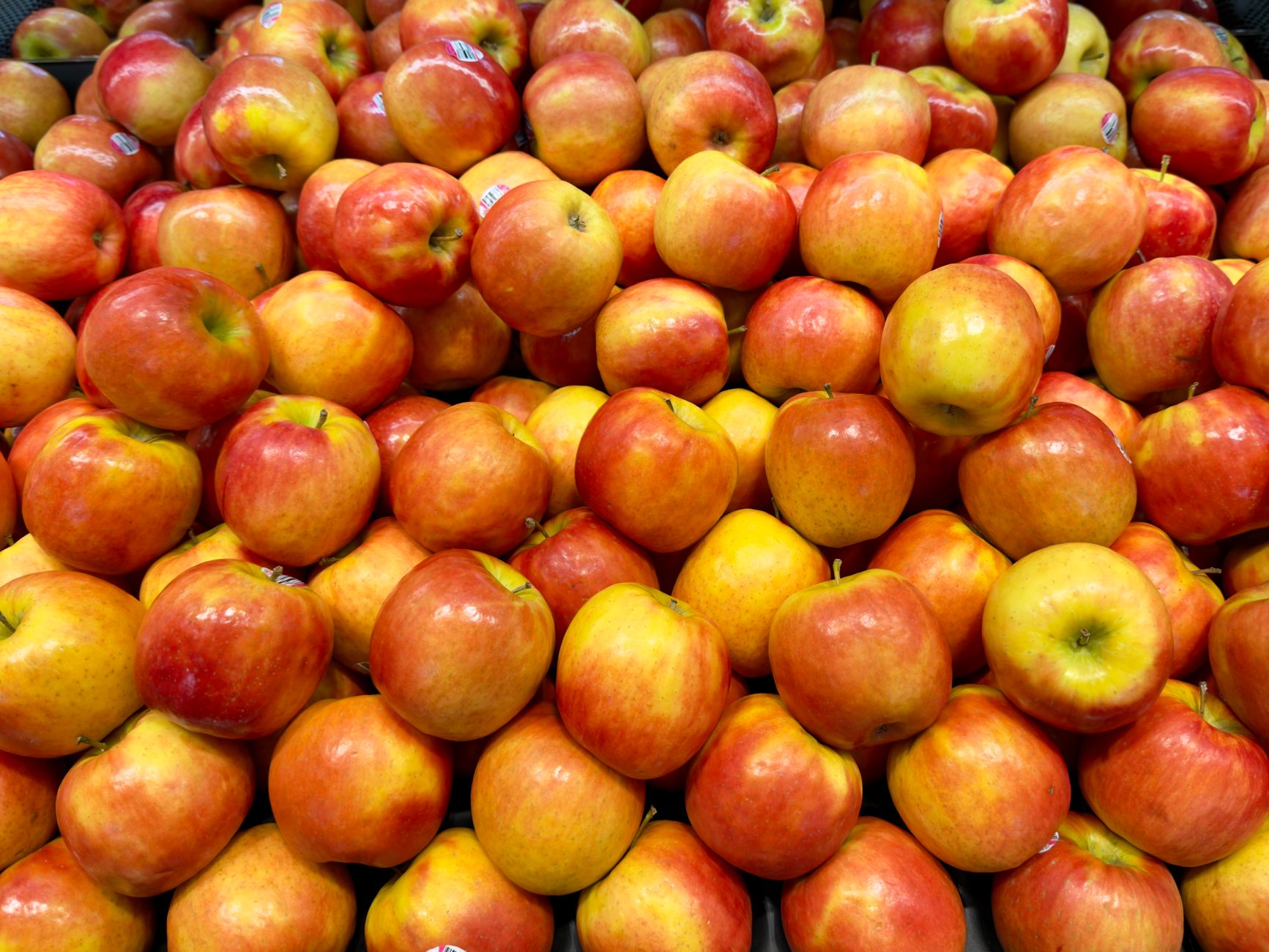
Understanding the nutritional profile of fruits can help you make better dietary choices. One of the most popular fruits, the apple, is not only delicious but also packed with health benefits. A common question is, “How many grams of fiber are in an apple?” In this article, we’ll explore this inquiry in depth, focusing on the nutritional value, health benefits, and more.
Fiber is an essential component of a balanced diet, known for aiding digestion and promoting overall health. Knowing how much fiber is in an apple helps you gauge its place in your daily fiber intake, whether you’re snacking or planning meals.
How Many Grams of Fiber Are in an Apple?
An average medium-sized apple contains about 4 grams of dietary fiber. This amount may vary depending on the apple’s size, variety, and preparation method, but generally, fresh apples are excellent sources of fiber.
Types of Fiber Found in Apples
Fiber is classified into two categories: soluble fiber and insoluble fiber. Apples contain both types, each offering different health benefits.
Soluble Fiber
Soluble fiber dissolves in water to form a gel-like substance. It helps manage cholesterol levels and maintain stable blood sugar levels. The primary soluble fiber found in apples is pectin, which is beneficial for gut health.
Insoluble Fiber
Insoluble fiber does not dissolve in water and adds bulk to the stool, promoting regular bowel movements. This type of fiber is found in the skin of the apple, making it essential to eat whole apples rather than peeling them.
Nutritional Value of an Apple
Besides fiber, apples are also rich in vitamins and minerals. Here’s a breakdown of the nutritional content of a medium-sized apple (approximately 182 grams):
| Nutrient | Amount per Medium Apple |
|---|---|
| Calories | 95 |
| Carbohydrates | 25 grams |
| Fiber | 4 grams |
| Sugar | 19 grams |
| Vitamin C | 14% of the Daily Value (DV) |
| Potassium | 6% of the DV |
Health Benefits of Fiber in Apples
Consuming apples as part of a balanced diet can yield numerous health advantages, particularly due to their fiber content. Here are some key benefits:
1. Digestive Health
The fiber in apples aids in digestion by promoting regular bowel movements and preventing constipation. Soluble fiber helps with stomach issues, while insoluble fiber adds bulk to the stool.
2. Heart Health
Fiber helps lower cholesterol levels, reducing the risk of heart disease. Apples contain pectin, which can help reduce low-density lipoprotein (LDL) cholesterol, often referred to as “bad” cholesterol.
3. Weight Management
Fruits like apples that are high in fiber can help you feel fuller for longer. This satiety may assist in weight management by reducing the likelihood of overeating.
4. Blood Sugar Control
The fiber in apples can regulate blood sugar levels. Soluble fiber slows down the absorption of sugar, preventing spikes that can lead to diabetes.
Incorporating Apples into Your Diet
Apples are versatile fruits that can be integrated into various meals and snacks. Here are several ideas for how to enjoy apples:
- Raw: Slice and eat them plain for a quick snack.
- Salads: Add chopped apples to salads for a sweet crunch.
- Oatmeal: Mix diced apples into oatmeal for added flavor and nutrition.
- Smoothies: Blend apples into smoothies for a natural sweetness.
- Baking: Use apples in pies, muffins, or crisps.
Choosing the Right Apple
When selecting apples, consider the following tips to ensure you get the best quality and nutrition:
1. Look for Firmness
Choose apples that feel firm to the touch. Soft spots can indicate overripeness or spoilage.
2. Check the Skin
The skin should be smooth and brightly colored. Avoid any apples with bruises or blemishes.
3. Opt for Organic
If possible, select organic apples to avoid pesticide residues. Apples are often on the Environmental Working Group’s “Dirty Dozen” list due to pesticide exposure.
Storage of Apples
Proper storage is crucial to maintain the freshness and quality of apples:
Refrigeration
Store apples in the crisper drawer of your refrigerator, which helps to prolong their freshness, especially if they are coated with wax.
Room Temperature
If consumed within a few days, apples can be kept at room temperature but will not last as long as stored in the fridge.
Common Mistakes When Preparing Apples
While apples are easy to prepare, some common mistakes can diminish their health benefits:
1. Peeling
Many people peel apples to avoid the skin’s texture. However, a significant amount of fiber and nutrients are found in the skin. For maximum health benefits, eat apples with their skins on.
2. Excessive Cooking
Cooking apples can break down the fiber content. If you want to cook apples, consider light steaming or baking without excessive sugar or butter to maintain their nutrient density.
Apples vs. Other Fruits
When considering fiber content, apples hold their own. Here’s how apples compare to a few other popular fruits:
| Fruit | Fiber Content (per medium fruit) |
|---|---|
| Apple | 4 grams |
| Banana | 3 grams |
| Orange | 3 grams |
| Pear | 5.5 grams |
As illustrated, while apples are an excellent choice for fiber intake, other fruits can also complement your diet well.
Is Apple Fiber Enough for Daily Requirements?
The dietary fiber recommendations vary by age and sex, but the general guideline is around 25 grams per day for women and 38 grams for men. A medium apple contributes to this daily value, but it’s important to combine it with other fiber-rich foods such as vegetables, legumes, and whole grains to meet daily fiber requirements.
Fiber-Rich Apple Recipes
Here are a couple of simple recipes incorporating apples to increase your fiber intake:
Apple Oatmeal
This hearty dish combines apples and oatmeal for a fiber-filled breakfast.
- Ingredients:
- 1 cup rolled oats
- 2 cups water or milk
- 1 medium apple, diced
- 1 tablespoon honey or maple syrup (optional)
- 1 teaspoon cinnamon
- Bring water or milk to a boil in a saucepan.
- Add oats and diced apple. Cook for about 5 minutes until oats are tender.
- Stir in honey and cinnamon to taste. Serve warm.
Apple Cinnamon Muffins
A delicious way to incorporate fiber-rich apples into baked goods.
- Ingredients:
- 1 ½ cups whole wheat flour
- ½ cup sugar or sweetener of choice
- 1 tablespoon baking powder
- ½ teaspoon salt
- 1 teaspoon cinnamon
- 1 cup diced apples
- 1 cup milk
- 1 egg
- ¼ cup vegetable oil
- Preheat the oven to 350°F (175°C) and line a muffin tin with paper liners.
- In a bowl, mix flour, sugar, baking powder, salt, and cinnamon.
- In another bowl, whisk together milk, egg, and oil. Combine with dry ingredients until just mixed.
- Fold in diced apples. Pour batter into muffin tins and bake for 20-25 minutes.
Final Thoughts
In summary, a medium apple contains about 4 grams of fiber, making it an excellent choice for boosting your fiber intake. Eating apples with the skin on provides additional nutrients and maximizes health benefits. Incorporating apples into your diet in various forms can help you reap their advantages while enjoying their delicious flavor.
For more ideas on how to include fiber-rich foods in your diet, check out how much fiber is in a banana or explore our chia pudding recipe for a nutritious snack.