
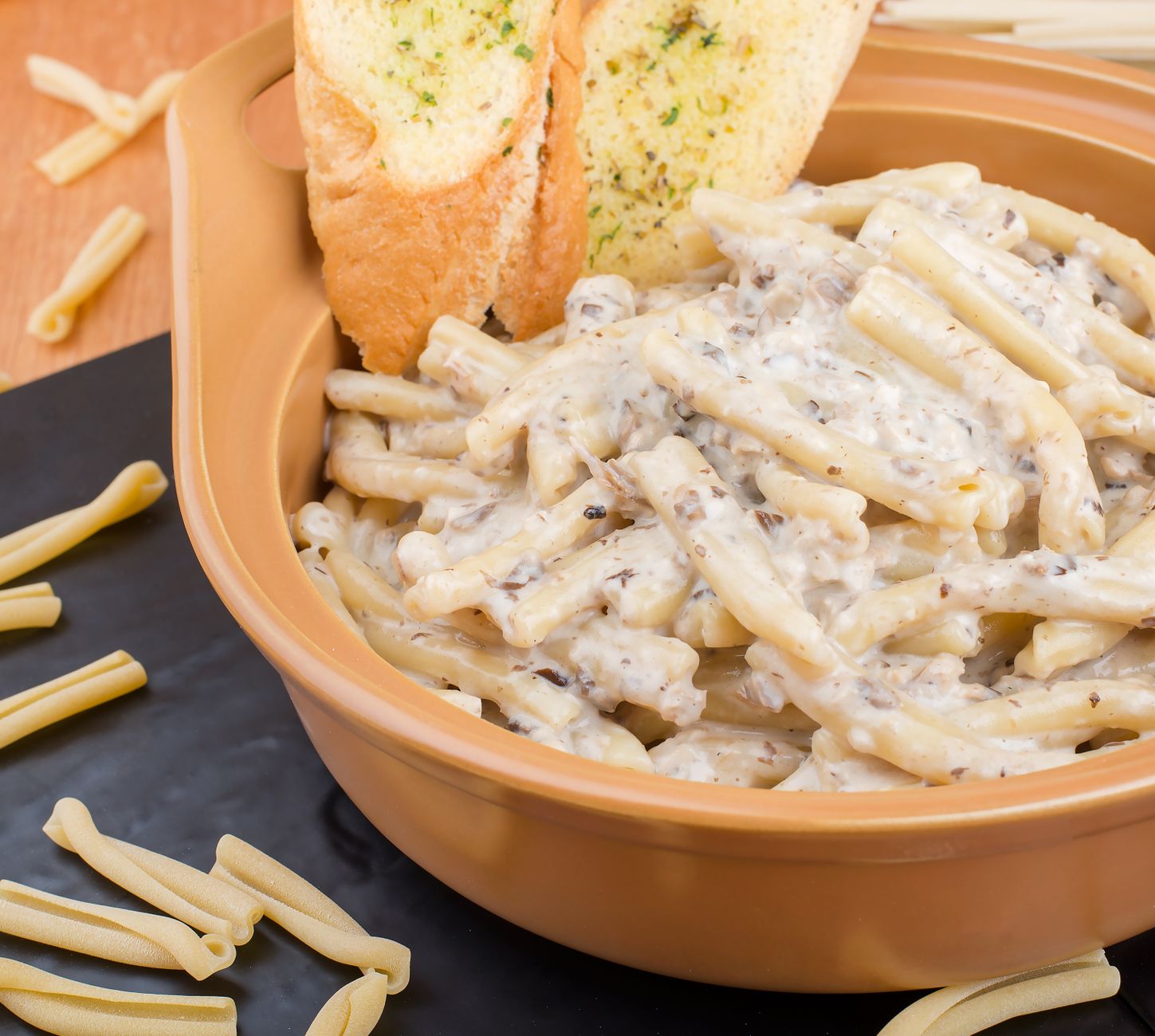
Tuna noodle casserole is a comforting, creamy dish that combines tender pasta, flaky tuna, and a variety of vegetables, all baked together to create a satisfying meal. Many cooks enjoy preparing this dish as a weeknight dinner or a potluck contribution, appreciating its ease of preparation and family-friendly flavors. It’s convenient, but what happens when you have leftovers or want to make a batch in advance?
The good news is that you can freeze tuna noodle casserole. However, it’s essential to understand how freezing affects its texture and flavor, as well as best practices for storing and reheating. This comprehensive guide will provide you with all the essential details you need for successfully freezing and thawing this beloved casserole.
Can I Freeze Tuna Noodle Casserole?
Yes, you can freeze tuna noodle casserole! However, to ensure optimal taste and texture when it’s reheated, it’s essential to know the right way to freeze and thaw it. Given that tuna noodle casserole often contains creamy sauces and cooked pasta, both of which can change consistency under freezing conditions, careful preparation is key.
Why Freeze Tuna Noodle Casserole?
Freezing tuna noodle casserole is a practical solution for several reasons:
- Meal Prep: Cooking in bulk allows you to prepare meals in advance, saving time during busy weekdays.
- Leftovers: If you’ve made too much or want to use leftovers creatively, freezing prevents waste.
- Portion Control: Freezing individual portions makes it easy to account for different appetites at mealtime.
How to Freeze Tuna Noodle Casserole
Freezing tuna noodle casserole can be done effectively with the right steps. Follow this guide to ensure it retains its taste and texture:
Preparation Steps
- Cool the Casserole: Allow the casserole to cool completely to room temperature. This prevents condensation from building up, which can lead to freezer burn.
- Portion It Out: Decide whether you want to freeze the entire casserole or individual portions. For quicker reheating, individual portions are recommended.
- Choose Freezer-safe Containers: Use airtight, freezer-safe containers or heavy-duty freezer bags to prevent freezer burn and preserve flavor. If you use a baking dish, wrap it tightly in plastic wrap, then cover with aluminum foil.
- Label and Date: Always label your containers with the name of the dish and the date it was frozen to keep track of freshness.
How to Freeze Individual Portions
- Use a spoon to serve equal portions of the casserole into freezer-safe containers or bags.
- Leave a little space at the top of containers to allow for expansion as the casserole freezes.
- Seal bags tightly, squeezing out as much air as possible.
- Label each container or bag before placing them in the freezer.
Thawing Tuna Noodle Casserole
Proper thawing techniques help retain the quality of your frozen tuna noodle casserole. Here are the best methods:
Refrigerator Thawing
The safest method for thawing is to place the frozen casserole in the refrigerator. This method may take several hours to overnight:
- Transfer the frozen casserole from the freezer to the refrigerator.
- Allow it to thaw gradually, preferably overnight. Smaller portions will thaw faster, typically within a few hours.
Thawing in Cold Water
If you are short on time, you can use the cold water method:
- Ensure the casserole is securely sealed in a waterproof bag.
- Submerge the bag in a bowl of cold water.
- Change the water every 30 minutes until the casserole is thawed, which may take 1 to 2 hours.
Microwave Thawing
For the quickest option, you can use a microwave, but this method may affect the texture:
- Remove the casserole from its container and place it in a microwave-safe dish.
- Use the defrost setting according to your microwave’s instructions, checking frequently to avoid cooking the edges.
- Cook immediately after thawing if using the microwave method.
Reheating Tuna Noodle Casserole
After thawing, reheating your casserole correctly is vital for achieving the best texture and flavor. Here are some effective methods:
Oven Reheating
- Preheat your oven to 350°F (175°C).
- Transfer the casserole to an oven-safe dish if it isn’t already.
- Cover with aluminum foil to prevent drying out.
- Bake for 20 to 30 minutes, until heated through. If you want a crispy top, remove the foil for the last 5-10 minutes of baking.
Microwave Reheating
- Place a single portion in a microwave-safe dish.
- Cover with a microwave-safe lid or wrap.
- Heat in 1-minute intervals, stirring between each, until thoroughly warmed. This method is faster but can result in uneven heating.
Tips for Freezing and Reheating Tuna Noodle Casserole
- Use Fresh Ingredients: For the best results, use fresh ingredients when preparing your casserole. The quality of the components will affect the flavor when thawed and reheated.
- Avoid Overbaking: When baking the casserole initially, avoid overcooking it. A slightly undercooked casserole is better for freezing, as it prevents mushiness upon reheating.
- Consider Adding Fresh Toppings After Reheating: For an extra touch, add fresh herbs, breadcrumbs, or cheese after reheating, which can enhance flavor and texture.
- Don’t Refreeze: Once thawed and reheated, do not refreeze tuna noodle casserole, as this can impact both safety and taste.
Common Mistakes to Avoid
Understanding common pitfalls can help you avoid poor results:
- Freezing Without Cooling: Ensure the casserole cools completely before freezing to prevent soggy texture and freezer burn.
- Using the Wrong Containers: Avoid using non-freezer-safe containers, as they can crack or warp in extreme temperatures.
- Neglecting to Label: Forgetting to label containers makes it difficult to know what meal you’re pulling out later.
Serving Suggestions
Tuna noodle casserole is hearty on its own but can be enhanced with a few sides:
- Green Salad: A simple green salad with a light vinaigrette complements the richness of the casserole.
- Steamed Vegetables: Pair with seasonal steamed vegetables for added color and nutrients.
- Garlic Bread: Serve with garlic bread or crusty rolls for a comforting meal.
Variations and Substitutions
Tuna noodle casserole is versatile, allowing for various ingredient substitutions and enhancements:
- Tuna Variations: Use canned salmon or chicken for a different flavor profile.
- Pasta Types: Swap traditional egg noodles for whole wheat or gluten-free pasta based on dietary preferences.
- Cream Sauces: Substitute with Greek yogurt or cottage cheese for a healthier sauce option without losing creaminess.
- Vegetables: Incorporate vegetables like peas, carrots, or bell peppers for added nutrition and texture. Just ensure that they’re cooked before freezing.
Conclusion
Freezing tuna noodle casserole is an excellent strategy for busy households, helping you save time while enjoying a beloved meal. By following the proper steps for preparation, freezing, thawing, and reheating, you can enjoy this delicious comfort food at a later date without sacrificing quality. Prepare it today, freeze it for a busy day, and savor the flavors of home cooking anytime.
If you’re interested in learning more about meal prep or storage techniques, explore our guides on freezing cooked chicken and freezing chili for additional tips and insights.