
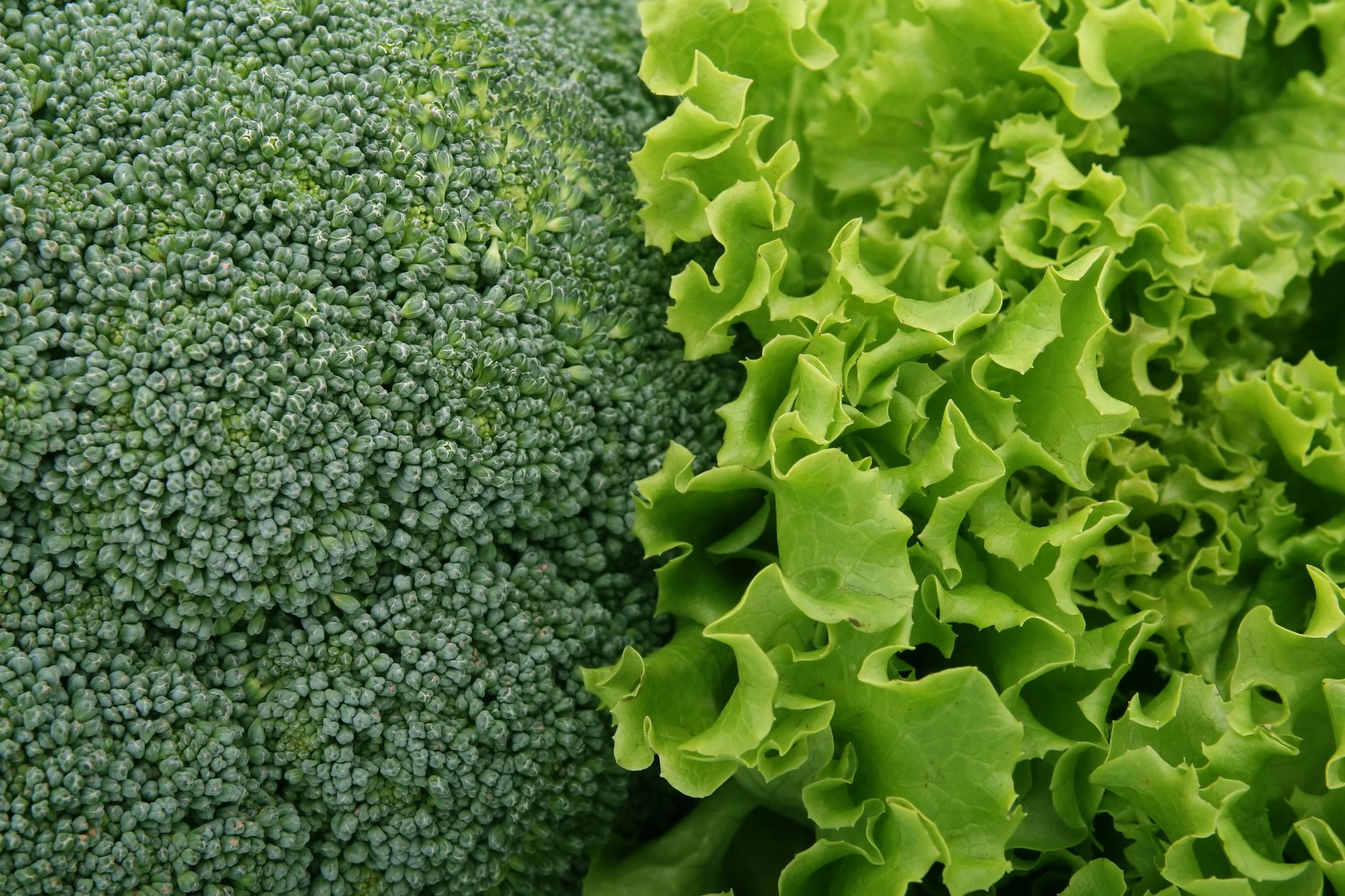
Lettuce, the cornerstone of fresh salads and a popular sandwich topping, often raises the question of its nutritional content. Many people will wonder, does lettuce have protein? In this article, we will explore the protein content of various types of lettuce, their nutritional profiles, and how they can fit into a balanced diet.
Understanding lettuce’s role in your meals is essential, so we will provide serving sizes, discuss ways to incorporate it into your daily routine, and help clarify its nutritional value, especially when it comes to protein content.
Does Lettuce Have Protein?
Yes, lettuce does contain protein, but in relatively small amounts. On average, one cup of raw lettuce offers about 0.5 to 1 gram of protein, depending on the variety. While this may seem minimal compared to other protein-rich foods, lettuce does contribute to your overall daily intake when combined with other ingredients.
Nutritional Profile of Lettuce
Lettuce is not only low in protein but also low in calories, making it a popular choice for those seeking weight management options. Below are the nutrition facts for different common varieties of lettuce, measuring one cup of raw leaves.
| Type of Lettuce | Calories | Protein (g) | Carbohydrates (g) | Fat (g) | Fiber (g) |
|---|---|---|---|---|---|
| Iceberg Lettuce | 10 | 0.5 | 2 | 0.1 | 0.5 |
| Romaine Lettuce | 15 | 1.2 | 3 | 0.2 | 1 |
| Green Leaf Lettuce | 5 | 0.5 | 1 | 0.1 | 0.5 |
| Red Leaf Lettuce | 5 | 0.5 | 1 | 0.1 | 0.5 |
| Bibb Lettuce | 10 | 0.6 | 2 | 0.1 | 0.4 |
Serving Sizes and How to Incorporate Lettuce
When thinking about the use of lettuce in meals, one cup of raw lettuce is generally considered a standard serving size. Here are some practical ways to incorporate more lettuce into your diet:
- Salads: A classic option, salads can include a variety of toppings such as proteins, nuts, and dressing.
- Wraps: Use large leaves, such as romaine or butter lettuce, as a substitute for tortillas in wraps.
- Smoothies: Blend some lettuce leaves into your smoothie for added nutrition without drastically changing the flavor.
- Soups: Add chopped lettuce towards the end of cooking to enhance the nutrient content without overcooking.
Other Nutritional Benefits of Lettuce
While protein may not be a strong point, lettuce provides other valuable nutrients. Here’s what else you can find in lettuce:
- Vitamins: Lettuce is a good source of vitamins A, C, and K, all of which support eye health, immune function, and bone health.
- Minerals: Contains potassium, calcium, and magnesium, which are essential for muscle function and heart health.
- Hydration: With a high-water content of around 95%, lettuce helps keep you hydrated.
- Low Caloric Density: Being low in calories but high in volume, lettuce is perfect for weight loss diets.
Comparing Lettuce with Other Vegetables
When considering the protein content of different foods, it can be helpful to compare lettuce with other vegetables. Here are some examples:
| Vegetable | Protein (g) per 1 cup |
|---|---|
| Spinach | 5.4 |
| Kale | 3.5 |
| Broccoli | 4.2 |
| Carrots | 1.2 |
| Brussels Sprouts | 3.0 |
As shown, while lettuce may have lesser protein, incorporating a variety of vegetables ensures a more balanced nutrient intake.
Practical Tips for Buying and Storing Lettuce
To get the most out of your lettuce, consider these tips:
- Freshness: Look for leaves that are vibrant in color, crisp, and free from browning or wilting.
- Storage: Store lettuce in the refrigerator in a sealed container or a bag to keep it fresh for longer.
- Washing: Always wash lettuce thoroughly to remove any dirt or pesticides.
- Use within a week: Once stored properly, lettuce should be consumed within 5 to 7 days for optimal freshness.
Common Mistakes When Preparing Lettuce
Here are some common mistakes when preparing lettuce and how to avoid them:
- Not washing properly: Failing to rinse lettuce can lead to grit and unpleasant texture. Always wash thoroughly before use.
- Overdressing: Less is more when it comes to dressing. Start small and add more as needed to avoid soggy leaves.
- Cutting with a metal knife: Using a metal knife can cause browning. Instead, tear the leaves or use a plastic knife to maintain freshness.
Creative Ways to Use Lettuce Beyond Salads
Lettuce can be creatively incorporated into many dishes beyond the classic salad. Here are some suggestions:
- Lettuce Cups: Use sturdy lettuce leaves to make cups filled with your choice of protein such as ground turkey or tofu, served with a savory sauce.
- Grilled Lettuce: Grilling romaine adds a smoky flavor and unique texture, perfect as a side dish.
- Lettuce and Bean Soup: Add chopped lettuce to a hearty bean soup for added freshness and nutrients.
- Pasta Salad: Incorporate raw chopped lettuce into a cold pasta salad for crunch and color.
How Much Protein Do You Really Need?
Understanding your protein needs is crucial for a balanced diet. The Recommended Dietary Allowance (RDA) for protein is 46 grams per day for adult women and 56 grams for adult men. Factors that influence your protein requirements include:
- Age: Children and teens require more protein for growth.
- Activity Level: Active individuals or athletes have higher protein needs to support muscle repair.
- Health Conditions: Certain medical conditions may require additional protein intake.
How to Ensure Sufficient Protein Intake in Your Diet
While lettuce can contribute to your nutritional intake, it is important to pair it with protein-rich foods for a balanced meal. Here are some suggestions:
- Layer proteins: Add grilled chicken, beans, tuna, or cheese to salads and wraps.
- Plant-based sources: Utilize lentils, quinoa, or chickpeas for vegetarian or vegan options.
- Dairy products: Incorporate yogurt or cottage cheese as a protein boost to lettuce-based dishes.
Conclusion
In summary, lettuce does contain protein, albeit in small amounts, primarily contributing to a low-calorie and nutrient-rich component of meals. By utilizing lettuce in a variety of recipes and pairing it with protein-rich foods, you can maintain a balanced diet that supports health goals.
Explore more tips on cooking with vegetables and enhancing your meals by checking out our wilted lettuce recipe or discovering what other foods are high in iron at our iron-rich foods guide.