
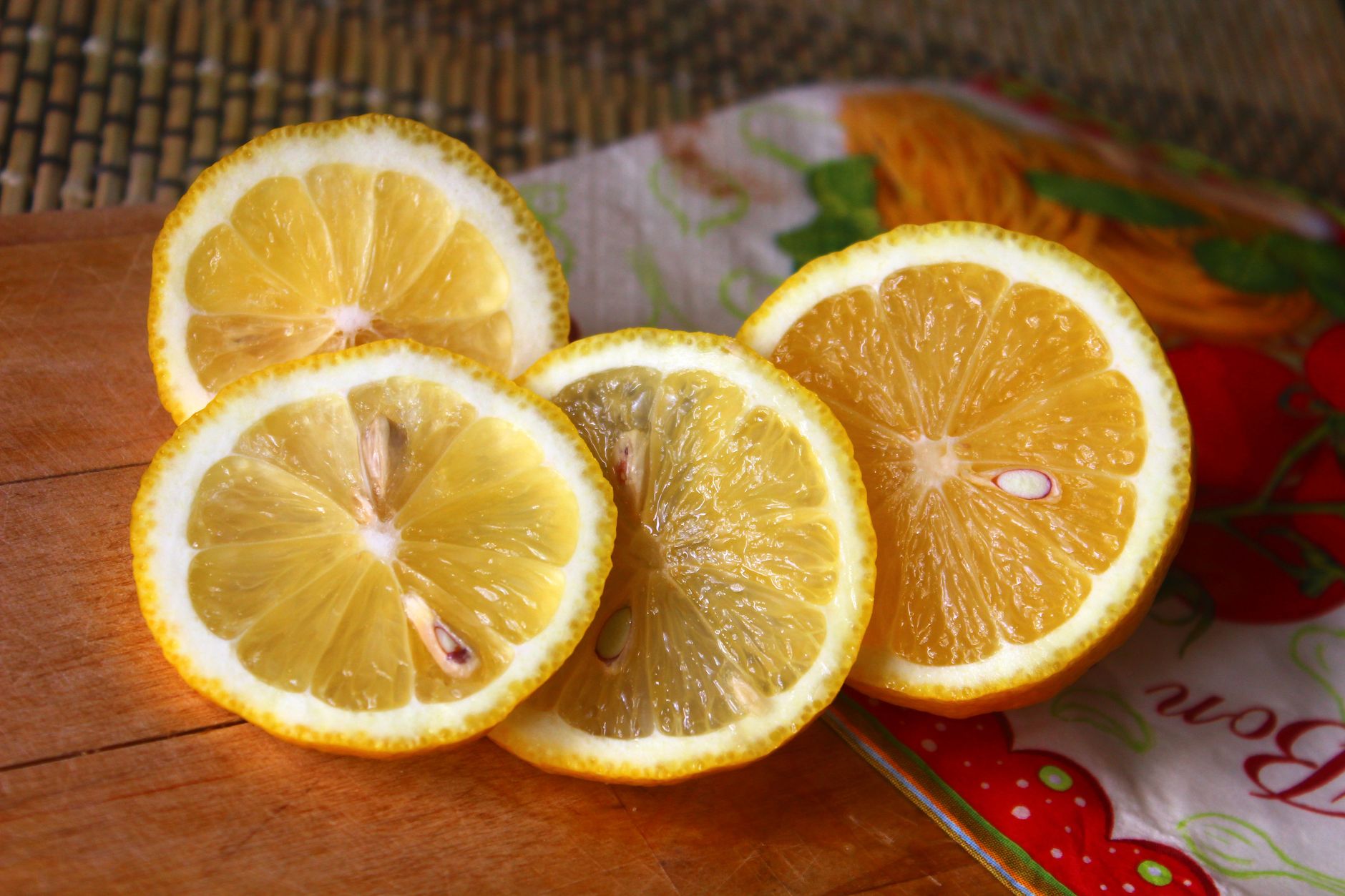
Lemon, widely known for its bright flavor and culinary versatility, is also touted for its potential antibacterial properties. Many people incorporate lemon into their dishes, believing it could help keep food safe. This article delves into whether lemon can effectively kill bacteria, exploring its use in food safety and handling.
The acid found in lemon juice is the key player in its antibacterial claims. However, understanding how it works, in which situations it may provide benefits, and the limitations is essential for anyone keen on food safety. Let’s explore the science behind lemon’s antibacterial effects, its proper use in the kitchen, and the safety measures to take when handling food.
Does Lemon Kill Bacteria?
Lemon juice does possess some antibacterial properties, primarily due to its low pH and high citric acid content. Studies suggest that high concentrations of lemon juice can inhibit the growth of certain bacteria. However, it is important to note that while lemon juice can reduce bacterial load, it does not entirely eliminate bacteria, especially in meat and poultry.
The Science Behind Lemon’s Antibacterial Properties
Lemon juice contains citric acid, which can lower the pH of a solution. Many bacteria thrive in neutral to mildly alkaline conditions. By lowering the pH, lemon juice creates an environment that is less conducive to bacterial growth, thereby inhibiting their proliferation.
Additionally, the antimicrobial properties of lemon juice include:
- Reactive oxygen species (ROS): Lemon juice can generate ROS, which are highly reactive molecules that can damage bacterial cell membranes.
- Natural antiseptic: The acidity of lemon juice may help in preventing infection by creating a hostile environment for bacteria.
While these properties are evident, lemon juice may not be a reliable method for sanitizing food or surfaces. For instance, its effectiveness against specific bacteria varies, and while some bacteria may be killed or inhibited, others may survive depending on their resistance levels.
Using Lemon Juice in Food Safety
Incorporating lemon juice in your cooking and food handling practices can provide a layer of food safety, but it shouldn’t be the sole method for ensuring your food is bacteria-free. Here are some practical applications where lemon juice can be beneficial:
1. Marinating
Using lemon juice in marinades can help reduce the bacteria present on meat and fish. The acidity helps tenderize the proteins while minimizing bacterial growth. However, marinating does not replace the cooking process; food must be thoroughly cooked to safe internal temperatures to kill any surviving bacteria.
2. Cleaning Fruits and Vegetables
Despite its antibacterial properties, lemon juice should not replace proper washing techniques for fruits and vegetables. However, using lemon juice as part of a wash can enhance the flavor and add an extra layer of protection against surface bacteria. To use lemon effectively, combine it with water and soak your produce for a few minutes before rinsing with clean water.
3. When Preparing and Storing Food
Add lemon juice to your dishes, especially those that contain seafood or poultry, as it may help inhibit bacterial growth during storage. However, lemon juice should not be relied upon as the only method for safe food preparation. Proper storage and cooking techniques remain crucial for food safety.
Limitations of Lemon in Killing Bacteria
While lemon juice can smother some bacteria, it does have limitations that are crucial to understand:
1. Not a Replacement for Cooking: Lemon juice can help reduce bacterial counts in food, but it doesn’t kill bacteria effectively as cooking does. Always ensure that you cook meat and seafood to the appropriate internal temperatures.
2. Variable Effectiveness: Lemon juice may not work against all bacteria. Studies indicate it may have limited effectiveness against some pathogens like Salmonella and Listeria, which are more resilient.
3. Presence of Other Contaminants: If surfaces or foods are contaminated with stubborn pathogens or toxins, lemon juice by itself may not suffice in ensuring safety.
The Role of Proper Food Handling
While lemon juice can enhance food safety, proper food handling practices play a crucial role. Here are essential food safety practices to accompany lemon juice’s use:
1. Wash Your Hands
Always wash your hands with soap and water for at least 20 seconds before and after handling food. This simple step is one of the most effective ways to prevent the spread of foodborne illness.
2. Clean Surfaces
Sanitize surfaces with a diluted bleach solution or a commercial kitchen sanitizer to eliminate bacteria. Lemon juice can provide a pleasant aroma, but shouldn’t be the primary cleaning agent.
3. Store Foods Properly
Store perishables in the refrigerator at temperatures below 40°F (4°C). Use lemon juice to promote a slightly acidic environment, but do not depend solely on it for preserving food safety.
Cooking with Lemon: Recipes and Variations
Utilizing lemon in your cooking can enhance flavors while contributing to food safety. Here are some practical recipes where lemon can play a significant role:
1. Lemon Herb Marinade
This marinade is perfect for chicken and seafood, utilizing lemon’s acidity to tenderize the proteins while infusing them with flavor.
Ingredients:
- 1/4 cup lemon juice
- 1/4 cup olive oil
- 2 tablespoons fresh herbs (parsley, thyme, or rosemary)
- 2 garlic cloves, minced
- Salt and pepper to taste
Instructions:
- In a bowl, whisk together lemon juice, olive oil, herbs, garlic, salt, and pepper.
- Use the marinade to coat your meat or fish and let it sit for at least 30 minutes before cooking.
- Cook your choice of meat or seafood until it reaches safe internal temperatures.
2. Lemon Cleanse for Fruits and Vegetables
This quick soak not only adds a zing to the taste of your produce but also helps in cleaning it.
Ingredients:
- 1 part lemon juice
- 3 parts water
Instructions:
- Combine lemon juice and water in a large bowl.
- Soak fruits and vegetables for about 10 minutes.
- Rinse thoroughly with clean water before consuming.
Common Mistakes When Using Lemon
While lemon is a useful ingredient for food safety, there are common mistakes to avoid:
- Relying on lemon juice alone for sanitizing: Always follow through with proper cooking and storage methods.
- Neglecting to wash your hands and surfaces before food prep: Always maintain cleanliness in the kitchen.
- Using lemon on contaminated surfaces without cleaning: Always clean thoroughly first before using lemon juice as part of your cleaning routine.
Storage and Shelf Life of Lemon
When storing lemons, keep them in the refrigerator to maximize their longevity. Whole lemons can last several weeks if stored in a cool place, while cut lemons should be stored in an airtight container for about 3 days.
Lemon juice can also be frozen for longer storage. Pour fresh lemon juice into ice cube trays and freeze, allowing you to use it as needed in cooking.
Conclusion
While lemon juice does possess antibacterial properties and can contribute to food safety in cooking and food handling, it should not replace proper hygiene practices or cooking methods. Using lemon in marinating, cleaning produce, and other food applications can be beneficial, but always remember that it should complement rather than replace essential food safety measures.
If you’re looking to incorporate lemon zest and juice into your cooking, explore our lemon pepper seasoning recipe or try out our delightful lemon glaze recipe for a flavorful kick.