
Lemon glaze recipe transforms simple baked goods into something special with its bright, tangy sweetness that takes just minutes to make. This versatile topping works beautifully on everything from pound cakes to cookies, and you only need three basic ingredients to create it. Whether you’re drizzling it over a fresh loaf or dipping donuts, this glaze adds that perfect finishing touch.
The beauty of homemade lemon glaze lies in its simplicity and the control you have over thickness and flavor intensity. Let me show you how to make this bakery-quality glaze at home.
Why You’ll Love This Recipe
This lemon glaze delivers maximum flavor with minimal effort, and you can adjust the consistency to suit whatever you’re making. It’s one of those recipes you’ll return to again and again.
- Ready in under 5 minutes with no cooking required
- Uses pantry staples you probably already have on hand
- Easily adjustable for thick coating or thin drizzle
- Fresh lemon flavor that tastes far better than store-bought
- Works on cakes, cookies, scones, muffins, and pastries
My Experience Making This Recipe
I’ve made this glaze dozens of times, and it never fails to elevate whatever I’m baking. The first time I made it, I was shocked at how much better fresh lemon juice tasted compared to the bottled stuff I’d been using.
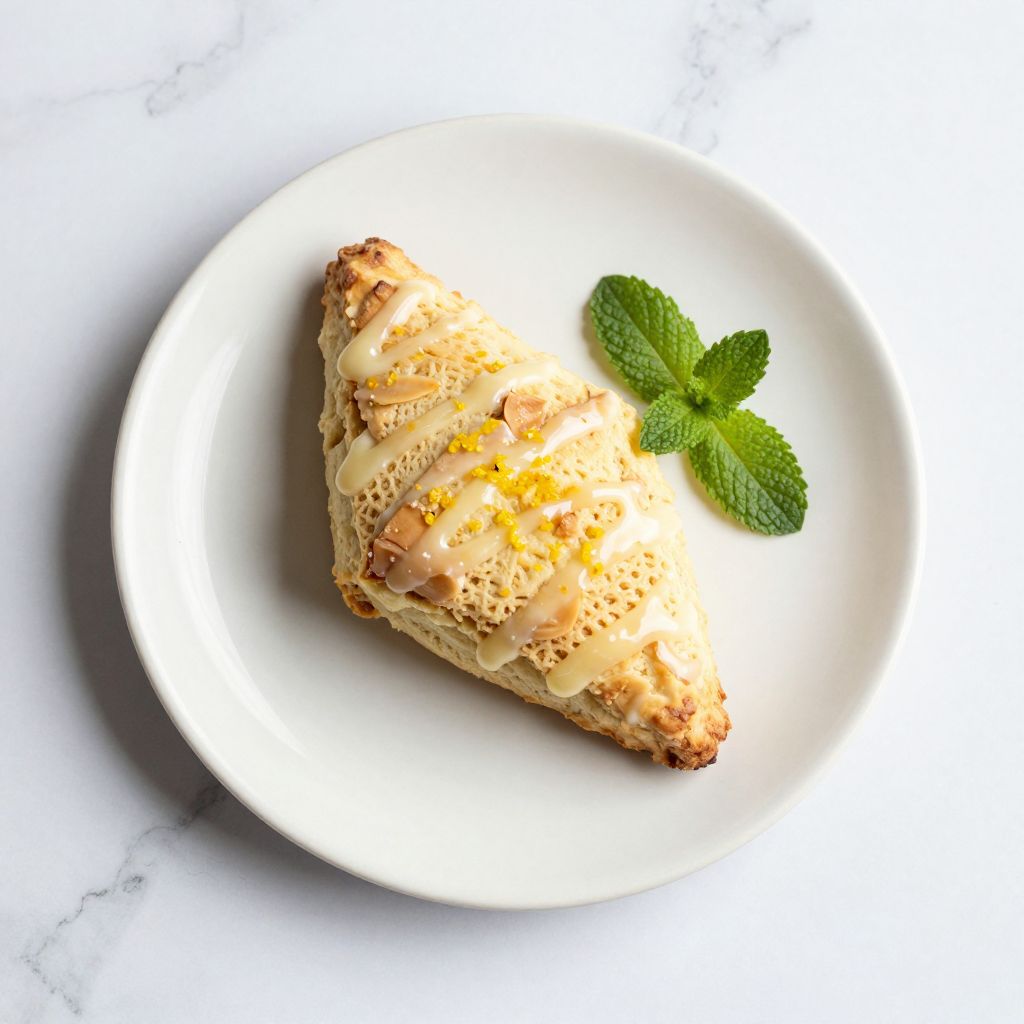
My favorite application is on almond scones, where the tartness cuts through the richness perfectly. Guests always ask for the recipe, assuming it’s some complicated technique when it’s literally just stirring three things together.
The texture sets beautifully within about 15 minutes, creating that classic crackled appearance you see on professional pastries. It’s satisfying to watch it transform from liquid to that perfect glossy finish.
Recipe Overview
- Recipe Name: Lemon Glaze
- Servings: About 3/4 cup (enough for one 9-inch cake or 12 large cookies)
- Prep Time: 5 minutes
- Cook Time: 0 minutes
- Total Time: 5 minutes
- Course: Topping/Frosting
- Cuisine: American
- Calories per Serving: 78 calories (based on 2 tablespoons)
Equipment You Will Need
- Medium mixing bowl
- Whisk or fork
- Citrus juicer or reamer
- Fine mesh strainer (optional, to remove pulp)
- Measuring cups and spoons
- Zester or microplane grater (if adding zest)
Ingredients for Lemon Glaze Recipe
- 2 cups powdered sugar (also called confectioners’ sugar or icing sugar)
- 3 to 4 tablespoons fresh lemon juice (from about 1 to 2 lemons)
- 1 teaspoon lemon zest (optional, for extra flavor)
- Pinch of salt (optional, to balance sweetness)
Ingredient Notes and Substitutions
- Powdered sugar: The fine texture dissolves instantly without any heating, creating a smooth glaze. Regular granulated sugar won’t work as it won’t dissolve properly and will leave a grainy texture.
- Fresh lemon juice: Provides bright, authentic citrus flavor that bottled juice simply can’t match. If you must substitute, use bottled lemon juice but expect a slightly less vibrant taste.
- Lemon zest: Adds intense lemon oils and visual appeal with tiny flecks of color. You can skip it if you’re after a completely smooth, white glaze.
- Salt: Balances the sweetness and makes the lemon flavor pop without tasting salty. Omit if you’re watching sodium or prefer sweeter glazes.
How to Make Lemon Glaze Recipe
Step 1: Prepare Your Lemons
Roll the lemons firmly on your countertop before cutting to release more juice from the membranes inside. Cut them in half and juice them using a citrus juicer, catching any seeds in a strainer.
Step 2: Sift the Powdered Sugar
Place the powdered sugar in your mixing bowl, breaking up any lumps with your whisk. Sifting isn’t absolutely necessary, but it prevents clumps and creates a smoother final texture.
Step 3: Add Lemon Juice Gradually
Start by adding 3 tablespoons of lemon juice to the powdered sugar. Adding liquid gradually gives you control over the final consistency, which you can’t fix as easily if you add too much at once.
Step 4: Whisk Until Smooth
Whisk vigorously until the mixture is completely smooth and no sugar lumps remain. The glaze should be thick but pourable at this stage, similar to heavy cream.
Step 5: Adjust Consistency
Check the thickness by lifting your whisk and watching how the glaze falls back into the bowl. For a thinner drizzle, add the remaining tablespoon of lemon juice or even a bit more; for a thicker coating, add more powdered sugar a tablespoon at a time.
Step 6: Add Zest and Salt
If using, whisk in the lemon zest and pinch of salt until evenly distributed. The zest adds beautiful speckles and intensifies that lemony punch.
Step 7: Test the Glaze
Drizzle a small amount on a plate or piece of parchment to see how it behaves. It should spread slightly then settle into a smooth coating that will set within 10 to 15 minutes.
Step 8: Use Immediately
Apply your glaze right away while it’s at peak consistency. The glaze will begin to thicken and set as it sits, so if you wait too long, you may need to whisk in a few drops of lemon juice to loosen it again.
Pro Tip: Make your glaze slightly thinner than you think you need because it thickens as it sits and sets. You can always add more powdered sugar, but it’s harder to thin out a glaze that’s already been applied.
Tips for the Best Lemon Glaze Recipe
- Use room temperature lemon juice for easier mixing and better incorporation with the sugar. Cold juice can cause the sugar to seize up slightly.
- Strain your lemon juice if you want a perfectly smooth glaze without any pulp bits. Some people love the texture pulp adds, so this is personal preference.
- Apply glaze to completely cooled baked goods unless you want a thinner, more absorbed finish. Warm items will cause the glaze to melt and soak in rather than sit on top.
- Double the recipe if you’re glazing a bundt cake or want extra for dipping. You’ll be surprised how much surface area absorbs, and running out halfway through is frustrating.
- Add a tiny drop of vanilla extract or almond extract for flavor complexity without overwhelming the lemon. Just 1/4 teaspoon is enough.
- For a glossier finish, add 1 teaspoon of light corn syrup or honey to the mixture. This also helps the glaze stay slightly softer instead of hardening completely.
Common Mistakes to Avoid
- Adding all the liquid at once creates a glaze that’s too thin to control, and you’ll have to add excessive amounts of sugar to fix it. Always add liquid gradually.
- Using bottled lemon juice results in a flat, artificial flavor that tastes more like cleaning product than dessert. Fresh juice is worth the extra 30 seconds of squeezing.
- Glazing warm baked goods causes the sugar to dissolve and disappear into the item instead of creating that beautiful white coating. Patience pays off here.
- Not whisking thoroughly leaves lumps of powdered sugar that create an unpleasant grainy texture. Take the extra minute to ensure complete smoothness.
- Making the glaze too far in advance causes it to harden in the bowl and become unusable. Mix it right before you need it for best results.
Serving Suggestions
This lemon glaze shines on anything that could use a sweet, citrusy finish. The tartness pairs especially well with rich, buttery baked goods that need some brightness.
- Drizzle over warm pound cake or bundt cake for a classic presentation
- Dip the tops of cooled sugar cookies or shortbread for a bakery-style finish
- Pour over fresh blueberry or lemon scones right before serving
- Use as a glaze for cinnamon rolls instead of traditional cream cheese frosting
- Brush over fruit tarts or Danish pastries for shine and flavor
Variations to Try
- Meyer Lemon Glaze: Swap regular lemons for Meyer lemons to get a sweeter, more floral flavor with less acidity. This works beautifully on delicate cakes and tea breads.
- Lemon-Lime Glaze: Replace half the lemon juice with fresh lime juice for a more complex citrus profile. The combination tastes amazing on coconut or tropical-flavored desserts.
- Thick Lemon Icing: Use only 2 tablespoons of lemon juice for a spreadable consistency that you can pipe or spread with an offset spatula. This works better for coating cookie surfaces completely.
- Lemon-Poppy Seed Glaze: Stir in 1 tablespoon of poppy seeds for texture and visual interest. This is perfect for lemon poppy seed muffins or loaves.
- Lavender Lemon Glaze: Add 1/4 teaspoon of culinary lavender steeped in the warm lemon juice for a sophisticated, floral note. Strain out the lavender before mixing with sugar.
Dietary Adaptations
- Gluten-Free: This recipe is naturally gluten-free as written, containing no wheat products. Just verify your powdered sugar hasn’t been processed in a facility with gluten cross-contamination if you’re highly sensitive.
- Dairy-Free: Already completely dairy-free with no modifications needed. Perfect for topping dairy-free cakes and cookies.
- Vegan: This glaze is vegan-friendly since it contains no animal products. Check that your powdered sugar isn’t processed with bone char if you follow strict vegan guidelines.
- Low-Sugar/Keto: Replace powdered sugar with powdered erythritol or allulose in a 1:1 ratio. The texture will be similar but slightly less glossy, and the flavor will be less sweet.
Storage and Reheating
Refrigerator
Store leftover glaze in an airtight container in the refrigerator for up to one week. The acidity from the lemon juice helps preserve it longer than plain sugar glazes.
- Place plastic wrap directly on the surface before sealing to prevent a skin from forming
- Whisk thoroughly and add a few drops of lemon juice to restore consistency before reusing
Freezer
Freezing isn’t recommended for this glaze because the texture separates and becomes grainy when thawed. It’s so quick to make that fresh is always better anyway.
- If you must freeze, use within one month and expect texture changes
- Thaw in the refrigerator and re-whisk vigorously, adding fresh lemon juice to smooth it out
Reheating
This glaze doesn’t require reheating, but you may need to restore its consistency. Bring it to room temperature and thin it out as needed.
- Let refrigerated glaze sit at room temperature for 15 to 20 minutes
- Whisk in lemon juice by the teaspoon until you reach the desired consistency
- If it’s too thin, whisk in powdered sugar one tablespoon at a time
Nutrition Information
| Nutrient | Amount |
|---|---|
| Calories | 78 |
| Total Fat | 0g |
| Saturated Fat | 0g |
| Carbohydrates | 20g |
| Fiber | 0g |
| Sugar | 19g |
| Protein | 0g |
| Sodium | 1mg |
| Cholesterol | 0mg |
Nutritional values are estimates based on a 2-tablespoon serving and may vary depending on specific ingredients used and portion sizes.
Frequently Asked Questions
Can I make this glaze ahead of time?
You can make it a few hours ahead and store it covered at room temperature, but it thickens as it sits. Whisk in a few drops of lemon juice right before using to restore the proper consistency.
Why is my glaze too thick or too thin?
The ratio of liquid to sugar determines thickness, and lemon sizes vary considerably in juice content. Simply add more lemon juice to thin it out or more powdered sugar to thicken it until you get the consistency you want.
How long does the glaze take to set?
The glaze will set and harden within 15 to 20 minutes at room temperature, creating that characteristic crackled surface. High humidity can extend this time, while dry conditions speed it up.
Can I use lime juice instead of lemon juice?
Absolutely, and the process is identical with equally delicious results. Lime glaze has a slightly more tropical flavor that works wonderfully on coconut cakes and key lime cookies.
Why does my glaze look cloudy instead of clear?
Cloudiness comes from the powdered sugar, which contains cornstarch to prevent caking, and from lemon pulp if you didn’t strain the juice. This is completely normal and doesn’t affect taste, though straining the juice creates a clearer appearance.
Can I add food coloring to this glaze?
Yes, gel food coloring works best because it won’t thin out the glaze like liquid coloring does. Add it drop by drop until you reach your desired shade.
What’s the difference between glaze and icing?
Glaze is thinner and more pourable, designed to create a translucent coating that drips down the sides. Icing is thicker and more opaque, meant to be spread with a knife or spatula for fuller coverage.
Final Thoughts
This lemon glaze recipe proves that the simplest recipes often deliver the most impressive results. With just a few minutes and basic ingredients, you can add professional-looking shine and incredible flavor to all your baked creations.
The next time you pull something out of the oven, give this glaze a try and watch how it transforms ordinary into extraordinary. You’ll wonder why you ever bothered with store-bought frostings when something this good is this easy to make.
Lemon Glaze
Ingredients
Equipment
Method
- Roll the lemons firmly on your countertop before cutting to release more juice from the membranes inside. Cut them in half and juice them using a citrus juicer, catching any seeds in a strainer.
- Place the powdered sugar in your mixing bowl, breaking up any lumps with your whisk. Sifting isn't absolutely necessary, but it prevents clumps and creates a smoother final texture.
- Start by adding 3 tablespoons of lemon juice to the powdered sugar. Adding liquid gradually gives you control over the final consistency.
- Whisk vigorously until the mixture is completely smooth and no sugar lumps remain. The glaze should be thick but pourable at this stage, similar to heavy cream.
- Check the thickness by lifting your whisk and watching how the glaze falls back into the bowl. For a thinner drizzle, add the remaining tablespoon of lemon juice or even a bit more; for a thicker coating, add more powdered sugar a tablespoon at a time.
- If using, whisk in the lemon zest and pinch of salt until evenly distributed. The zest adds beautiful speckles and intensifies that lemony punch.
- Drizzle a small amount on a plate or piece of parchment to see how it behaves. It should spread slightly then settle into a smooth coating that will set within 10 to 15 minutes.
- Apply your glaze right away while it's at peak consistency. The glaze will begin to thicken and set as it sits, so if you wait too long, you may need to whisk in a few drops of lemon juice to loosen it again.