
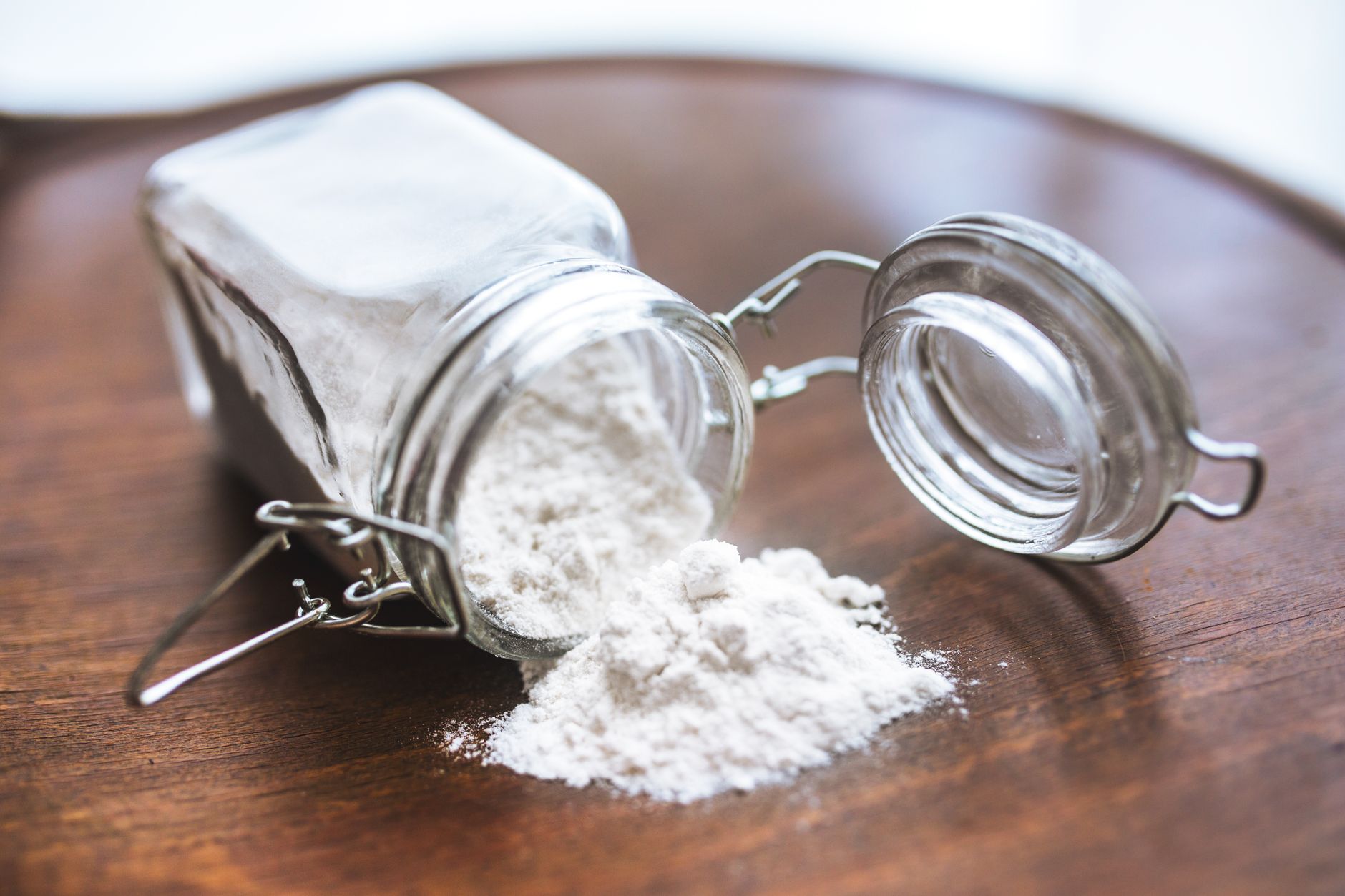
Cream of tartar, a staple in many kitchens, is often overlooked in discussions about pantry essentials. This versatile ingredient can stabilize egg whites and elevate baked goods, leading to a light and fluffy texture. However, one question persists: Does cream of tartar go bad? Understanding its shelf life and proper storage can help you maximize its usage.
In this article, we will explore the longevity of cream of tartar, ideal storage methods, signs of spoilage, and potential substitutes. Whether you bake regularly or occasionally, knowing about this ingredient can enhance your culinary skills and ensure your baked goods turn out just right.
Does Cream of Tartar Go Bad?
Cream of tartar does not spoil in the traditional sense, as it has an indefinite shelf life when stored properly. However, its potency can diminish over time, making it less effective for baking and cooking. If cream of tartar is stored improperly or exposed to moisture, it may clump up or lose its baking qualities.
What is Cream of Tartar?
Cream of tartar is a white powder known scientifically as potassium bitartrate. It is a byproduct of winemaking, forming as a residue in wine barrels. In cooking, cream of tartar serves multiple purposes, primarily as an acid to stabilize egg whites, prevent sugar crystallization, and enhance texture in baked goods.
Shelf Life of Cream of Tartar
The shelf life of cream of tartar can be quite lengthy under optimal conditions. Here’s a breakdown:
- Unopened Cream of Tartar: Can last indefinitely if stored in a cool, dry place away from direct sunlight.
- Opened Cream of Tartar: Typically remains potent for 2 to 3 years, but its effectiveness may decrease over time.
Factors Affecting Shelf Life
The lifespan of cream of tartar can be affected by a few factors:
- Moisture: Exposure to moisture can cause cream of tartar to clump and lose potency. Always ensure the lid is tightly closed after use.
- Heat and Light: Store cream of tartar in a dark cupboard or pantry away from heat sources to maintain its integrity.
- Expiration Dates: While there isn’t a strict expiration date, manufacturers typically print best-by dates. This date can serve as a guideline; however, it does not indicate spoilage.
Signs of Spoilage in Cream of Tartar
While cream of tartar does not go bad in a conventional sense, certain signs can indicate it’s time to replace it:
- Clumping: If your cream of tartar has formed hard clumps, it may be less effective for baking.
- Color Change: While cream of tartar should be white or off-white, any discoloration could suggest contamination.
- Smell: Fresh cream of tartar has little to no odor. A pungent smell could indicate it’s past its prime.
Proper Storage of Cream of Tartar
To ensure your cream of tartar remains usable for as long as possible, it’s essential to store it correctly:
- Keep it Dry: Store cream of tartar in an airtight container to prevent moisture from getting in.
- Cool, Dark Place: A pantry or cupboard is ideal. Avoid areas that experience temperature fluctuations, such as near the stove.
- Avoid Contamination: Always use a clean, dry spoon to scoop out the powder to prevent moisture and contamination.
How to Test the Freshness of Cream of Tartar
When in doubt about whether your cream of tartar is still good, you can perform a simple test:
- Take a small amount (about 1 teaspoon) of cream of tartar.
- Add a small amount of water (1-2 teaspoons) to create a paste.
- Then, in a separate bowl, beat an egg white until soft peaks form.
- Mix the cream of tartar paste into the egg whites.
- If the egg whites do not stabilize or do not increase in volume, your cream of tartar may have lost its effectiveness.
Common Uses for Cream of Tartar
Cream of tartar is an essential ingredient in many recipes and techniques:
- Stabilizing Egg Whites: Cream of tartar is commonly added when whipping egg whites to help them hold their shape and volume.
- Preventing Sugar Crystallization: When making candies or syrups, cream of tartar helps keep sugar from crystallizing, ensuring a smooth texture.
- Making Baking Powder: Combined with baking soda, cream of tartar serves as an acid in homemade baking powder.
- Whipped Cream: Adding cream of tartar to whipping cream can stabilize it, allowing it to hold its shape longer.
Recipes That Use Cream of Tartar
Here are some classic recipes that benefit from the addition of cream of tartar:
- Snickerdoodle Cookies: These chewy cookies get their signature tangy flavor from cream of tartar.
- French Meringue: A delicate meringue is easily stabilized with cream of tartar, resulting in airy and light desserts.
Substitutes for Cream of Tartar
If you find yourself out of cream of tartar, several substitutes can work effectively:
- Lemon Juice: Use 1/2 teaspoon of lemon juice for every 1 teaspoon of cream of tartar. It provides the necessary acidity.
- Vinegar: Similar to lemon juice, use 1/2 teaspoon of white vinegar or apple cider vinegar as a substitute.
- Baking Powder: If you don’t have cream of tartar but have baking powder, remember it contains an acid and can be used instead. Replace 1 teaspoon of cream of tartar with 1.5 teaspoons of baking powder, then reduce the baking soda in the recipe accordingly.
Common Mistakes When Using Cream of Tartar
While cream of tartar is relatively straightforward to use, there are some common pitfalls to avoid:
- Using in Excess: While it can stabilize egg whites, too much cream of tartar can give a sour taste to your dishes.
- Neglecting to Store Properly: Improper storage leading to clumping can hinder its effectiveness. Always store it correctly.
- Using Old Cream of Tartar: If the ingredient has been sitting unopened for years, it’s wise to test or replace it before use.
Conclusion
Cream of tartar is an invaluable kitchen ingredient with an extended shelf life, provided it is stored correctly. While it may not spoil like other perishable items, its effectiveness can wane over time. By understanding how to store creamer properly and recognizing signs of spoilage, you can ensure that your baking and cooking remains top-notch.
Enhance your cooking journey by exploring more recipes and tips. Check out our snickerdoodle recipe and learn how to make a French meringue to see cream of tartar in action!