
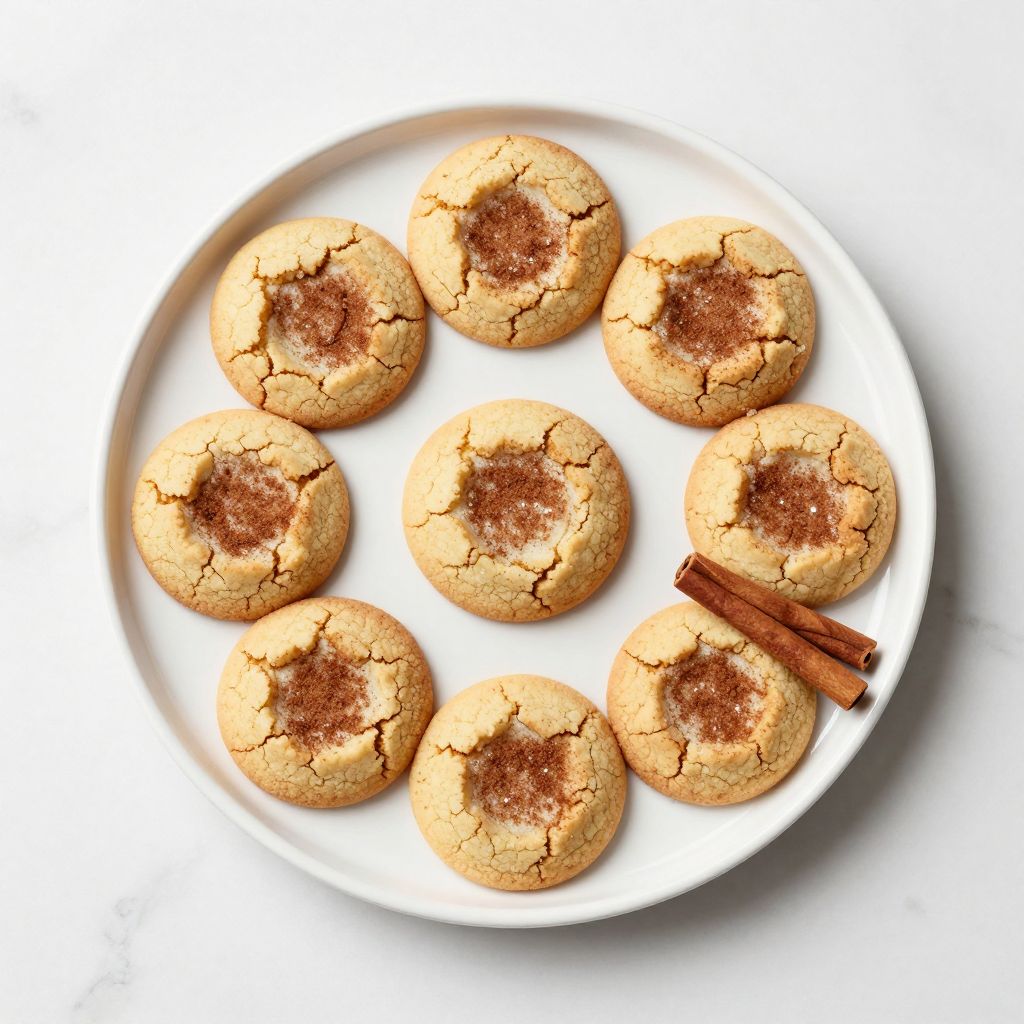
Snickerdoodle recipe without cream of tartar delivers those classic cinnamon-sugar cookies you crave without hunting for that rarely-used ingredient. Using simple baking powder and a touch of lemon juice creates the perfect tangy flavor and soft, chewy texture that makes snickerdoodles irresistible at holiday gatherings or any weeknight treat session.
These cookies bake up with crispy edges and pillowy centers in just 25 minutes. You probably have everything you need sitting in your pantry right now.
Why You’ll Love This Recipe
This simplified snickerdoodle approach removes the barrier of specialty ingredients while keeping everything you love about the original. The results taste just as authentic as traditional versions, with that signature tangy sweetness and tender crumb.
- No cream of tartar required, making this truly pantry-friendly
- Ready from mixing bowl to cooling rack in under 30 minutes
- Produces that perfect chewy center with slightly crisp edges
- The cinnamon-sugar coating creates an addictive sweet-spicy crust
- Freezes beautifully for make-ahead cookie emergencies
My Experience Making This Recipe
I developed this recipe after running out of cream of tartar mid-baking session, refusing to abandon my cookie plans. The combination of baking powder and lemon juice worked so well that I never went back to the traditional method.
The aroma of cinnamon and butter fills your kitchen within minutes of sliding the first tray into the oven. My family couldn’t tell the difference from the classic version, and several friends have sworn these taste better than any snickerdoodle they’ve tried.
The dough rolls like a dream, and watching those cookies puff up then settle into crackled, sugar-coated perfection never gets old. They disappear faster than I can bake them.
Recipe Overview
- Recipe Name: Snickerdoodle Cookies Without Cream of Tartar
- Servings: 24 cookies
- Prep Time: 15 minutes
- Cook Time: 10 minutes
- Total Time: 25 minutes
- Course: Dessert
- Cuisine: American
- Calories per Serving: 142
Equipment You Will Need
- Two large baking sheets
- Parchment paper or silicone baking mats
- Electric mixer (stand or hand)
- Medium mixing bowl for dry ingredients
- Small bowl for cinnamon-sugar coating
- Measuring cups and spoons
- Cookie scoop or tablespoon
- Wire cooling rack
Ingredients for Snickerdoodle Recipe Without Cream of Tartar
For the Cookie Dough
- 2 3/4 cups all-purpose flour
- 2 teaspoons baking powder
- 1/2 teaspoon salt
- 1 cup unsalted butter, softened to room temperature
- 1 1/2 cups granulated sugar
- 2 large eggs, room temperature
- 1 tablespoon lemon juice, freshly squeezed
- 1 teaspoon vanilla extract
For the Cinnamon-Sugar Coating
- 1/3 cup granulated sugar
- 1 tablespoon ground cinnamon
Ingredient Notes and Substitutions
- Baking powder: Provides the leavening and slight tanginess that replaces cream of tartar. Avoid substituting with baking soda alone as it will change the flavor and texture significantly.
- Lemon juice: Adds the acidic tang that defines snickerdoodles and activates the baking powder. White vinegar works as a substitute in equal amounts but lemon provides better flavor.
- Unsalted butter: Controls the salt level and creates the rich, tender texture. Salted butter can work if you reduce the added salt to 1/4 teaspoon.
- Granulated sugar: Creates the signature crispy edges and chewy center. Brown sugar will make the cookies softer and less traditional in texture.
- All-purpose flour: Provides structure without making cookies tough. Bread flour will create denser, chewier cookies, while cake flour makes them more delicate.
How to Make Snickerdoodle Recipe Without Cream of Tartar
Step 1: Prepare Your Workspace
Preheat your oven to 375°F and line two baking sheets with parchment paper. Set them aside while you prepare the dough.
Room temperature ingredients mix more evenly, preventing dense spots in your cookies. Take your butter and eggs out of the refrigerator 30 minutes before you start baking.
Step 2: Mix the Dry Ingredients
Whisk together the flour, baking powder, and salt in a medium bowl until completely combined. This ensures even distribution of the leavening agent throughout your dough.
Sifting isn’t necessary here, but breaking up any clumps in the baking powder prevents uneven rising. Set this bowl aside while you cream the butter and sugar.
Step 3: Cream Butter and Sugar
Beat the softened butter and 1 1/2 cups sugar in your mixer on medium-high speed for 3 to 4 minutes. The mixture should turn pale and fluffy, with a texture similar to whipped frosting.
Proper creaming incorporates air into the dough, creating lighter cookies with better texture. Scrape down the bowl sides halfway through to ensure even mixing.
Step 4: Add Wet Ingredients
Beat in the eggs one at a time, mixing well after each addition until fully incorporated. Add the lemon juice and vanilla extract, then mix for another 30 seconds.
The lemon juice may cause slight curdling in appearance, but this is normal and disappears once you add the flour. This acidic component gives snickerdoodles their characteristic tangy flavor.
Step 5: Combine Wet and Dry Mixtures
Add the flour mixture to the butter mixture in three additions, mixing on low speed just until no streaks of flour remain. Overmixing at this stage develops gluten, which creates tough, cake-like cookies instead of tender ones.
The dough should be soft but not sticky, holding together when pressed. If it seems too soft to handle, refrigerate for 15 minutes before rolling.
Step 6: Prepare the Cinnamon-Sugar Coating
Mix the 1/3 cup sugar and cinnamon in a small bowl until the color is uniform. This coating creates the signature spiced crust that makes snickerdoodles recognizable.
Make sure the cinnamon distributes evenly throughout the sugar. Clumps of cinnamon create bitter spots on your cookies.
Step 7: Shape and Coat the Cookies
Scoop tablespoon-sized portions of dough and roll them into smooth balls between your palms. Roll each ball generously in the cinnamon-sugar mixture, coating all sides completely.
Place the coated balls 2 inches apart on your prepared baking sheets, as they spread during baking. Twelve cookies per sheet prevents crowding and ensures even browning.
Step 8: Bake to Perfection
Bake for 9 to 11 minutes, until the edges are set but the centers still look slightly underdone. The cookies will appear puffy and soft when you remove them.
They continue cooking on the hot pan after removal, so slight underbaking prevents dry, hard cookies. Let them cool on the baking sheet for 5 minutes before transferring to a wire rack, as moving them too soon causes breaking.
Pro Tip: For extra-thick, bakery-style snickerdoodles, refrigerate your rolled and coated dough balls for 30 minutes before baking. The chilled dough spreads less in the oven, creating taller cookies with chewier centers and more dramatic crackles in the cinnamon-sugar coating.
Tips for the Best Snickerdoodle Recipe Without Cream of Tartar
- Measure flour correctly by spooning it into the measuring cup and leveling off, never scooping directly from the bag. Packed flour creates dense, tough cookies.
- Use fresh baking powder for maximum rise and tang, as old baking powder loses potency over time. Test it by adding a teaspoon to hot water; it should fizz vigorously.
- Don’t skip the lemon juice, as it provides the acidic tang that defines snickerdoodles. The cookies taste flat and overly sweet without it.
- Rotate your baking sheets halfway through baking time for even browning, especially if your oven has hot spots. This prevents some cookies from over-browning while others remain pale.
- Cool cookies completely before storing, as trapped steam makes them soggy. They firm up nicely as they reach room temperature.
- For consistent sizing, use a cookie scoop rather than spoons. Uniform cookies bake evenly and look more professional.
Common Mistakes to Avoid
- Using melted or too-soft butter creates flat, greasy cookies that spread too much. Butter should be soft enough to indent with your finger but still hold its shape.
- Overbaking makes snickerdoodles hard and crispy instead of chewy. Pull them when centers still look slightly underdone, as carryover cooking finishes them perfectly.
- Skipping the chilling step when dough feels too soft results in cookies that spread into thin puddles. Twenty minutes in the fridge solves this problem.
- Not creaming the butter and sugar long enough produces dense cookies without that light, tender texture. Aim for a full 3 to 4 minutes of beating.
- Rolling dough balls too large creates cookies that brown on the outside before cooking through. Stick to tablespoon-sized portions for even baking.
Serving Suggestions
Snickerdoodles shine as a standalone treat but pair beautifully with hot and cold beverages alike. Their sweet-spicy flavor complements both rich and light accompaniments.
- Serve warm with cold vanilla ice cream for a classic cookie and ice cream combination
- Pair with hot apple cider or spiced chai tea to amplify the cinnamon notes
- Dunk in cold milk for the ultimate after-school snack
- Arrange on a dessert platter with chocolate chip cookies and brownies for variety
- Crumble over yogurt parfaits or oatmeal for a sweet breakfast topping
Variations to Try
- Brown Butter Snickerdoodles: Brown your butter before creaming for deep, nutty flavor that adds complexity to the classic recipe. Cool the browned butter to room temperature before using.
- Chocolate Chip Snickerdoodles: Fold 1 cup of chocolate chips into the finished dough for pockets of melted chocolate throughout. The chocolate and cinnamon combination is addictive.
- Pumpkin Spice Snickerdoodles: Replace the cinnamon in the coating with pumpkin pie spice for fall-inspired flavor. Add 1/4 teaspoon of nutmeg to the dough for extra warmth.
- Stuffed Snickerdoodles: Wrap dough around caramel squares or Nutella before rolling in cinnamon sugar for a gooey surprise center. Bake an extra 1 to 2 minutes to ensure the filling heats through.
- Espresso Snickerdoodles: Add 1 tablespoon of instant espresso powder to the dry ingredients for coffee-spiked cookies. The coffee enhances the cinnamon flavor without tasting obviously like coffee.
Dietary Adaptations
- Gluten-Free: Replace all-purpose flour with a 1:1 gluten-free baking flour blend that contains xanthan gum. The texture will be slightly more crumbly but still delicious.
- Dairy-Free: Use room-temperature vegan butter or coconut oil in place of regular butter. Coconut oil creates crisper cookies, so reduce baking time by 1 minute.
- Vegan: Swap eggs for flax eggs (2 tablespoons ground flaxseed mixed with 6 tablespoons water, left to gel for 5 minutes) and use vegan butter. The cookies will be slightly denser but maintain good flavor.
- Low-Carb/Keto: Substitute almond flour for all-purpose flour and use erythritol-based sugar replacements, though texture and spread will differ significantly. Expect flatter, more fragile cookies.
Storage and Reheating
Refrigerator
Store completely cooled cookies in an airtight container at room temperature for up to 5 days. Refrigeration isn’t necessary and actually makes them harder.
- Place parchment paper between layers to prevent sticking
- Keep container tightly sealed to maintain softness
- Add a slice of bread to the container to keep cookies chewy longer
Freezer
Freeze baked cookies for up to 3 months or freeze unbaked dough balls for fresh-baked cookies anytime. Both methods work beautifully.
- Flash-freeze dough balls on a baking sheet before transferring to freezer bags
- Bake frozen dough balls directly from freezer, adding 1 to 2 minutes to baking time
- Thaw frozen baked cookies at room temperature for 20 minutes before serving
- Wrap baked cookies tightly in plastic wrap, then place in freezer bags to prevent freezer burn
Reheating
Restore that fresh-baked texture by gently warming cookies before serving. A quick reheat brings back the soft, tender center.
- Microwave individual cookies for 8 to 10 seconds for soft, warm cookies
- Warm multiple cookies in a 300°F oven for 3 to 5 minutes
- Avoid overheating, which dries them out and makes them hard
Nutrition Information
| Nutrient | Amount |
|---|---|
| Calories | 142 |
| Total Fat | 7g |
| Saturated Fat | 4g |
| Carbohydrates | 19g |
| Fiber | 0.3g |
| Sugar | 11g |
| Protein | 2g |
| Sodium | 85mg |
| Cholesterol | 30mg |
Nutritional values are approximate and based on standard ingredient measurements. Actual values may vary depending on specific brands and modifications.
Frequently Asked Questions
Can I make these cookies without lemon juice?
White vinegar works as a direct substitute for lemon juice in the same amount, providing the necessary acidity. The cookies will lack a subtle brightness but still taste delicious.
Why do my snickerdoodles spread too much?
Too-warm dough or butter causes excessive spreading, so chill your dough for 30 minutes before baking. Using melted instead of softened butter also creates flat cookies.
Can I make the dough ahead of time?
Refrigerate unbaked dough for up to 3 days or freeze for up to 3 months in an airtight container. Bring refrigerated dough to room temperature for 15 minutes before rolling and baking.
How do I know when snickerdoodles are done baking?
The edges should look set and lightly golden while centers still appear soft and slightly underdone. They firm up during cooling, so pulling them early prevents dry cookies.
Why don’t my cookies have the classic crackled appearance?
Insufficient cinnamon-sugar coating or overbaking prevents crackling, so coat dough balls generously and remove cookies while centers look underdone. The cracks form as cookies cool and settle.
Can I use salted butter instead of unsalted?
Salted butter works fine if you reduce the added salt to 1/4 teaspoon. The cookies may taste slightly saltier but will still have the right texture.
What makes these snickerdoodles different from regular sugar cookies?
The combination of baking powder and lemon juice creates a subtle tang that defines snickerdoodles, setting them apart from regular sugar cookies. The cinnamon-sugar coating and chewier texture also distinguish them.
Final Thoughts
This snickerdoodle recipe without cream of tartar proves that amazing cookies don’t require specialty ingredients or complicated techniques. The simple substitution of baking powder and lemon juice delivers authentic flavor and texture that rivals any traditional recipe.
Whether you’re baking for a holiday cookie exchange or just satisfying a weeknight sweet tooth, these cookies deliver every time. Give them a try and discover how easy it is to make bakery-quality snick
Snickerdoodle Cookies Without Cream of Tartar
Ingredients
Equipment
Method
- Preheat your oven to 375°F and line two baking sheets with parchment paper. Set them aside while you prepare the dough.
- Whisk together the flour, baking powder, and salt in a medium bowl until completely combined. Set this bowl aside.
- Beat the softened butter and 1 1/2 cups sugar in your mixer on medium-high speed for 3 to 4 minutes. The mixture should turn pale and fluffy. Scrape down the bowl sides halfway through.
- Beat in the eggs one at a time, mixing well after each addition until fully incorporated. Add the lemon juice and vanilla extract, then mix for another 30 seconds.
- Add the flour mixture to the butter mixture in three additions, mixing on low speed just until no streaks of flour remain. Do not overmix.
- Mix the 1/3 cup sugar and cinnamon in a small bowl until the color is uniform.
- Scoop tablespoon-sized portions of dough and roll them into smooth balls between your palms. Roll each ball generously in the cinnamon-sugar mixture, coating all sides completely.
- Place the coated balls 2 inches apart on your prepared baking sheets, about 12 cookies per sheet.
- Bake for 9 to 11 minutes, until the edges are set but the centers still look slightly underdone. The cookies will appear puffy and soft when you remove them.
- Let cookies cool on the baking sheet for 5 minutes before transferring to a wire rack to cool completely.