
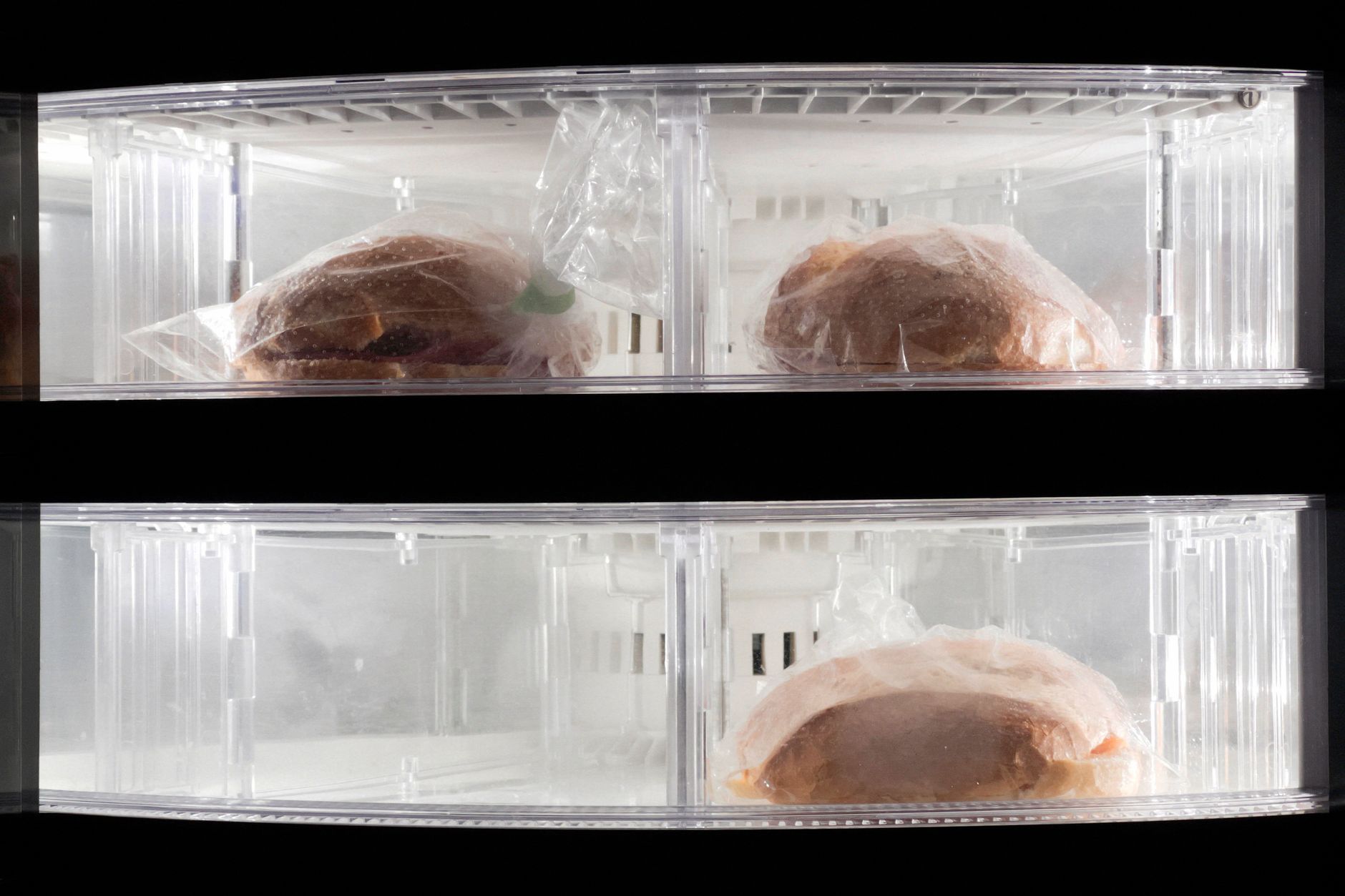
Understanding the temperature standards for cold foods is essential for ensuring food safety and quality. When shopping at grocery stores like Publix, maintaining proper cold food temperatures during transportation and storage is critical to prevent spoilage and reduce the risk of foodborne illnesses.
This guide will delve into the Publix standard temperatures for cold foods, discuss why these temperatures are important, and offer practical tips for maintaining these temperatures in your own kitchen and during meal preparation.
What Is Publix Standard Temperature For Cold Foods?
The standard temperature for cold foods at Publix, as well as other grocery stores, is generally set at or below 40°F (4°C). This threshold is crucial for preserving perishable items, including dairy products, meats, seafood, and ready-to-eat meals.
Keeping cold foods at or below this temperature minimizes bacterial growth, ensuring that the food remains safe for consumption. It’s essential to adhere to this guideline not just when shopping, but also when storing and preparing food at home.
Why Is It Important to Maintain Cold Food Temperatures?
Maintaining the correct temperatures for cold foods is vital for several reasons:
- **Food Safety:** Keeping food below 40°F prevents harmful bacteria such as Salmonella and E. coli from growing, which can lead to foodborne illnesses.
- **Quality Preservation:** Cold temperatures help maintain the texture, flavor, and nutritional value of food items, preserving their original quality.
- **Shelf Life Extension:** Proper temperature control can extend the shelf life of perishable food items, reducing waste and saving money.
Key Cold Food Categories and Recommended Storage Temperatures
Different categories of food require specific handling and storage practices. Here’s a breakdown of key categories and their respective standard temperature recommendations:
Dairy Products
- **Milk and Cream:** Should be stored at or below 40°F (4°C).
- **Cheese:** Soft varieties like cream cheese should also be kept below 40°F, while hard cheeses can tolerate slightly higher temperatures.
Meats and Poultry
- **Raw Meat and Poultry:** These items must be stored at or below 40°F. Ground meats, poultry, and fish should be kept on ice or in the coldest part of the refrigerator.
- **Cooked Meats:** Once cooked, meats should also be cooled down and stored at or below 40°F if not consumed immediately.
Seafood
- **Fresh Seafood:** Should be kept on ice or stored at 32°F (0°C) to maintain freshness. The same applies to sushi-grade fish.
Fruits and Vegetables
- **Cut Fruits and Vegetables:** These should ideally be refrigerated at or below 40°F. Whole fruits and veggies typically have different temperature requirements, generally only needing to be kept cool and dry.
What to Do When You Get Home with Cold Foods
Once you’ve made your purchase at Publix, ensuring that your cold foods remain at safe temperatures during transportation and storage is crucial. Here are some steps to follow:
- **Plan Ahead:** Try to schedule your grocery shopping trip at a time when you can go directly home afterward. If possible, choose a cooler day for your shopping, as higher outside temperatures can increase the risk of spoilage.
- **Use Insulated Bags:** Invest in insulated bags or coolers to keep perishable items cold during transit, especially in the warmer months. Ice packs can be useful for additional cooling.
- **Prompt Refrigeration:** As soon as you get home, unpack your groceries and place cold foods in the refrigerator immediately. Don’t wait; delayer your items so that cold air can circulate properly.
Effective Home Storage Practices for Cold Foods
At home, proper storage practices are essential to maintain the safety and quality of your cold food items.
- **Use a Refrigerator Thermometer:** To ensure your refrigerator is operating at the correct temperature, consider using a refrigerator thermometer. You want it to read at or below 40°F.
- **Organize Effectively:** Store similar items together and ensure that your refrigerator is not overcrowded, which can prevent proper air circulation. Keep raw meats on the lower shelves to avoid cross-contamination.
- **Avoid Overloading:** Don’t store too many items at once; this can raise the temperature inside. Leave space for airflow.
Meal Prep Tips for Cold Food Safety
When prepping meals in advance, it’s crucial to maintain food safety standards to ensure the meals are safe to eat later. Here are some helpful tips:
- **Cool Foods Quickly:** After cooking, foods should be cooled as quickly as possible before storing them in the refrigerator. Divide larger quantities into smaller portions to expedite cooling.
- **Label and Date:** Always label containers with the date of preparation. This will help you keep track of the food’s freshness.
- **Use Airtight Containers:** Store meals in airtight containers to protect against air and moisture, which can lead to spoilage.
Common Mistakes in Cold Food Storage
Being knowledgeable about common storage mistakes can help you maintain the integrity of your cold foods. Here are some frequent behaviors that should be avoided:
- **Leaving the Door Open:** Constantly opening and closing the refrigerator door can affect the internal temperature. Try to minimize door openings.
- **Not Allowing Foods to Cool Before Refrigerating:** Placing hot foods directly into the refrigerator can raise the internal temperature, compromising the safety of other items.
- **Neglecting Regular Cleaning:** Regularly clean your refrigerators to prevent bacteria build-up and to eliminate old, spoiled food.
Handling Leftovers Safely
Leftovers are a common part of many households. To ensure that leftovers remain safe to eat, adhere to the following guidelines:
- **Refrigerate Promptly:** Leftovers should be stored in the refrigerator within two hours of cooking to prevent bacterial growth.
- **Consume within a Few Days:** While some foods can last longer, aim to consume leftovers within three to four days for safety.
- **Reheat Correctly:** When reheating, ensure that the food reaches an internal temperature of 165°F (74°C) before serving.
Conclusion
Maintaining the correct standard temperature for cold foods at Publix is essential for food safety and quality. By being informed and proactive about how you manage and store cold foods, you not only protect your health but also enhance the flavor and freshness of your meals. Keep your refrigerator temperature at or below 40°F, organize your food efficiently, and implement proper meal prep practices to enjoy safe, delicious dishes.
To further explore food safety, check out these informative articles on how long is cooked ground beef good in the fridge and how long is chicken good for in the fridge.