
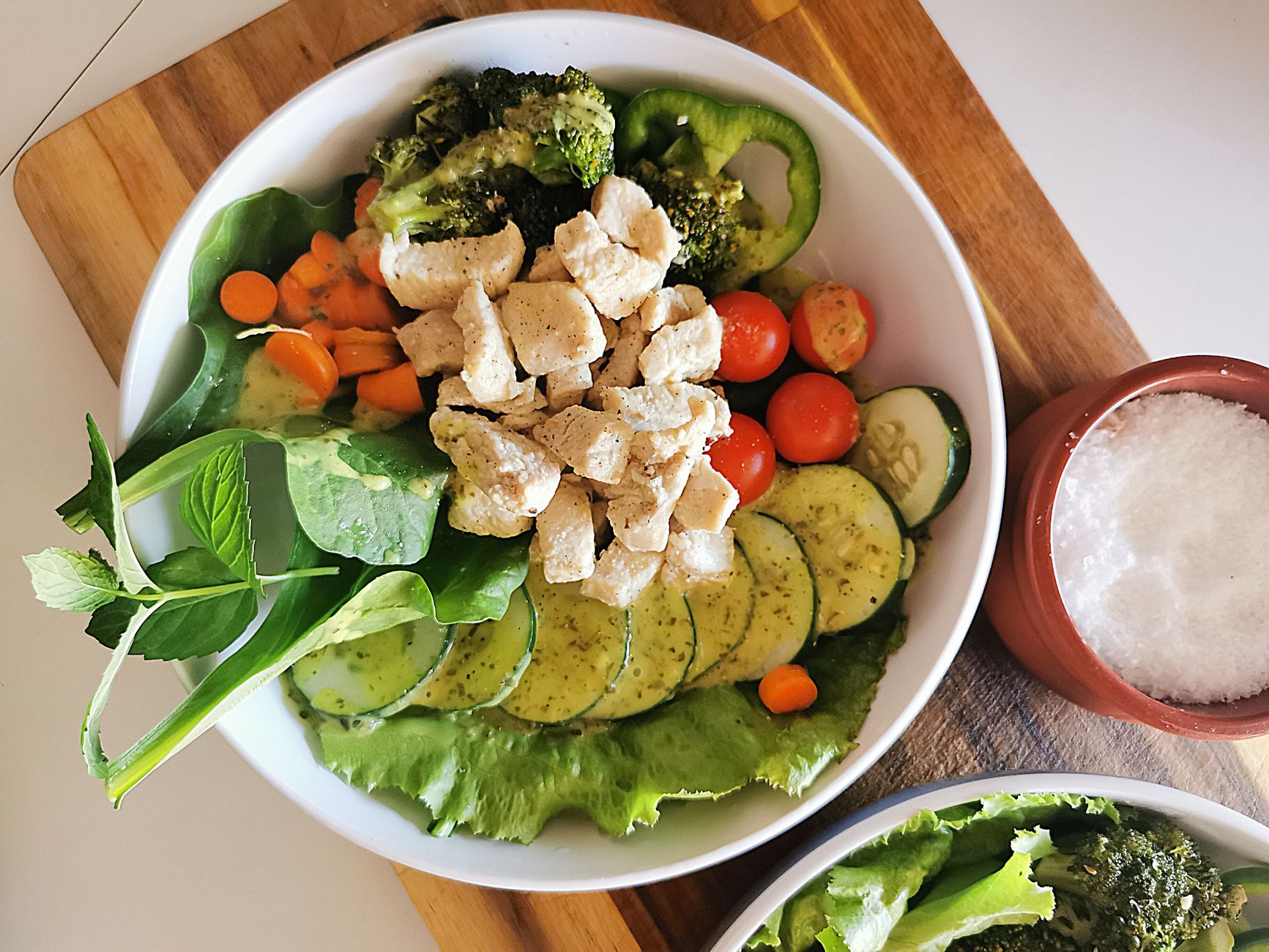
When pondering the classic dish of chicken salad, one common question arises: Does chicken salad contain dairy? The answer isn’t straightforward as it largely depends on the recipe and individual preferences. This article will explore the diverse ingredients found in chicken salad, including variations that may or may not include dairy products, as well as allergy considerations that are essential for those with dietary restrictions.
Chicken salad is a versatile dish that has become a staple in many culinary traditions. From creamy variations to light and zesty options, understanding what goes into chicken salad can help you tailor it to your taste preferences and dietary needs.
Does Chicken Salad Have Dairy?
The short answer is: it can, but it doesn’t have to. Traditional chicken salad recipes often include mayonnaise, which is dairy-free. However, variations that incorporate sour cream, yogurt, or cheese can introduce dairy to the dish. It’s essential to scrutinize the specific recipe to determine if it contains dairy ingredients.
Ingredients Commonly Found in Chicken Salad
Chicken salad typically contains the following basic ingredients:
- Cooked chicken (breast, thighs, or a mix)
- Mayonnaise or other dressings
- Vegetables (like celery, onion, or bell peppers)
- Herbs and spices for flavor
Let’s break these down further, including common dairy and non-dairy options.
Chicken
The primary ingredient in chicken salad is, of course, chicken. This can be shredded, cubed, or chopped, and typically comes from boiled, roasted, or grilled chicken. Chicken itself is naturally dairy-free.
Dressings
Dressings play a significant role in the flavor and texture of chicken salad. The most common dressing is mayonnaise, which is generally dairy-free. However, other dressings may contribute dairy:
- Mayonnaise: Made from egg yolks, oil, and vinegar or lemon juice, it is dairy-free.
- Sour Cream: A creamy, tangy dressing that adds richness but contains dairy.
- Greek Yogurt: A popular substitute for mayonnaise that introduces dairy flavor and creaminess.
- Vinaigrette: Often made with oil and vinegar, it is typically dairy-free.
Vegetables
Fresh vegetables add crunch and flavor to chicken salad. Common choices include:
- Celery
- Onion (red, green, or white)
- Bell peppers
- Carrots
- Cucumber
All these vegetables are naturally dairy-free and contribute essential nutrients to the dish.
Fruits and Nuts
Some chicken salad recipes include fruits and nuts to enhance flavor and texture:
- Fruits: Grapes, apples, or cranberries add sweetness and freshness.
- Nuts: Walnuts, almonds, or pecans contribute crunch and a nutty flavor.
These additions are typically dairy-free but can sometimes mingle with dairy dressings depending on personal preferences.
Herbs and Spices
Add herbs and spices to elevate the flavor profile of chicken salad. Common choices include:
- Salt
- Pepper
- Dill
- Parsley
- Thyme
These seasonings do not contain dairy and can bring freshness to the dish.
Common Dairy Ingredients in Chicken Salad
As previously mentioned, certain variations of chicken salad can introduce dairy. Here are the most common dairy ingredients and their impacts on flavor and texture:
Cheese
Some recipes incorporate cheese, such as feta, cheddar, or blue cheese, for added richness and flavor. This can significantly alter the overall profile of the dish and should be noted for those avoiding dairy.
Cream and Cream-based Dressings
Using cream or cream-based dressings can make chicken salad exceptionally creamy but also introduces dairy. Ranch dressing, Caesar dressing, and similar creamy dressings will all contain dairy elements.
How to Make Dairy-Free Chicken Salad
If you prefer a dairy-free chicken salad, customization is key. Here’s how to create a delicious dairy-free version:
- Choose your protein: Start with cooked chicken, shredded or cubed.
- Select your dressing: Use mayonnaise (ensure it’s certified dairy-free), or consider an avocado-based dressing for creaminess without dairy.
- Add your vegetables: Mix in crunchy veggies such as celery and bell peppers.
- Incorporate fruits and nuts: Grapes or apples can add sweetness and nuts can provide crunch.
- Season: Mix in herbs like dill or parsley for extra flavor.
This simple recipe can easily be customized according to your preferences and dietary restrictions.
Allergy Considerations
When making or consuming chicken salad, it’s prudent to understand potential allergens, especially related to dairy:
- Dairy: Those with lactose intolerance or dairy allergies should scrutinize dressings and toppings carefully.
- Eggs: Many mayonnaise brands include eggs, so seek egg-free alternatives if necessary.
- Nuts: If nuts are incorporated, they can also trigger allergies in some individuals.
Always check the packaging for any pre-made ingredients and consider cross-contamination if dining out.
Flavor Combinations for Chicken Salad
Creativity can abound in chicken salad recipes, so exploring various flavor combinations can enhance your experience:
- Herbs and Garlic: Incorporate fresh herbs and a hint of garlic for a Mediterranean twist.
- Spicy: Add diced jalapeños or a splash of hot sauce for kick.
- Sweet and Savory: Combining fruits like apples or grapes with nuts for a delightful contrast.
When to Serve Chicken Salad
Chicken salad is versatile in terms of serving occasions. It’s perfect for:
- Lunches: Ideal for a quick, healthy meal or packed in a lunchbox.
- Picnics: Easy to transport and serve with crackers or bread.
- Potlucks: A great dish to feed a crowd with plenty of different variations.
Storing and Reheating Chicken Salad
Chicken salad can be made in advance, making it a convenient dish for meal prep. Here are some guidelines for storing chicken salad:
- Refrigeration: Store in an airtight container in the fridge, where it can last for up to 3–4 days.
- Freezing: Avoid freezing chicken salad as it may alter the texture; the dressing can separate and vegetables may become mushy.
- Thawing: If using pre-cooked chicken, thaw properly in the refrigerator to avoid illness.
Common Mistakes When Making Chicken Salad
Avoiding some common pitfalls can help you master your chicken salad creation:
- Overmixing: Gently fold the ingredients together to maintain the chicken’s texture.
- Too Much Dressing: Be careful not to drown your salad; start with a small amount of dressing and add more as needed.
- Neglecting Seasoning: Don’t forget to season, as even dairy-free options can benefit from herbs and spices.
Understand that tastes may vary, and allow flexibility for personal preferences and dietary considerations. By focusing on quality ingredients and proper techniques, you can create delicious chicken salad masterpieces.
In summary, whether chicken salad contains dairy depends on the ingredients used. By being aware of common dairy components, exploring alternatives, and tailoring recipes to individual tastes and health concerns, you can enjoy chicken salad in many delightful forms. Experiment with different dressings and add-ins to find your perfect blend!
If you’re looking for some unique chicken salad recipes to try, check out our Hot Chicken Salad Recipe and Mexican Chicken Salad Recipe for inspiration. These provide options that align with various dietary preferences while still being packed with flavor.