
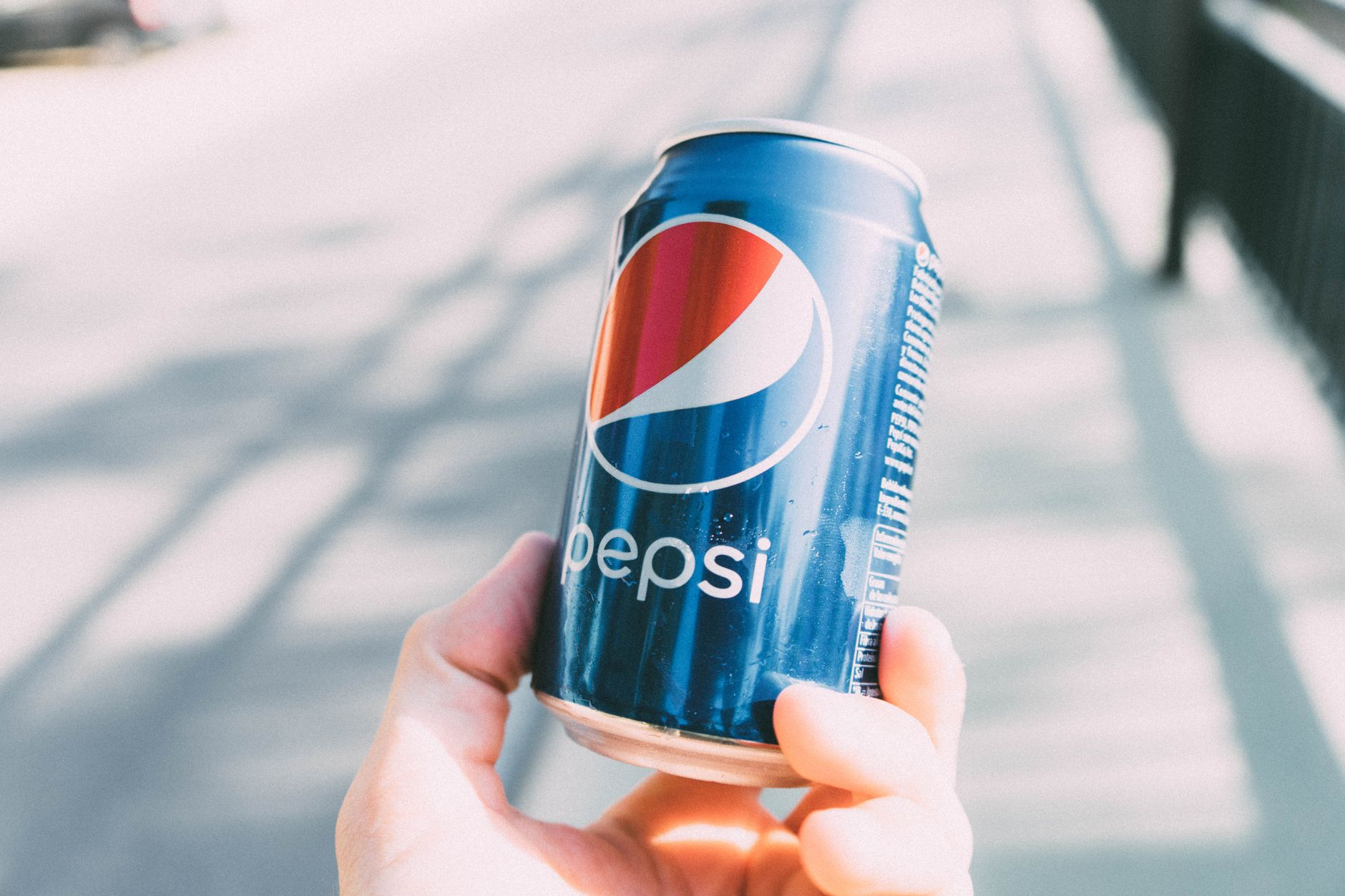
The soft drink that has become synonymous with refreshment and enjoyment—Pepsi—has a rich history rooted in the culinary landscape. Understanding where Pepsi was invented not only sheds light on its origins but also provides insights into the evolution of flavors in the beverage industry. This article delves into the history, the founding flavors, and the ongoing legacy of Pepsi.
Pepsi was invented in New Bern, North Carolina, in the late 19th century, specifically in 1893 by pharmacist Caleb Bradham. Initially called “Brad’s Drink,” it was created to be a refreshing tonic that would boost energy and aid digestion. Over time, Pepsi evolved from its humble beginnings to become one of the leading soft drinks in the world.
Where Was Pepsi Invented?
Pepsi was invented in New Bern, North Carolina. The drink was initially created by Caleb Bradham at his drugstore as a refreshing soda fountain beverage. It was later renamed Pepsi-Cola and became an iconic brand recognized nationwide and globally.
The Historical Context of Pepsi’s Invention
In the 1890s, the United States experienced significant changes—from industrial advancements to the rise of the soda fountain culture. This period was marked by a fascination with carbonated beverages, many of which were viewed as medicinal tonics. Doctors and pharmacists often concocted flavored syrups and sodas, creating a space for innovative beverages in the marketplace.
Caleb Bradham, a trained pharmacist, used his knowledge of chemistry and medicine to create Brad’s Drink. His aim was to provide a beverage that not only tasted good but also had potential health benefits, such as improving digestion. The use of high-quality ingredients was key during this period, contributing to the evolving identity of soft drinks.
The Evolution of the Drink
As Brad’s Drink gained popularity, Caleb Bradham sought to formalize his creation. In 1898, he trademarked the name “Pepsi-Cola,” combining the word “pepsin” (an enzyme that aids digestion) and “cola” (a flavor derived from kola nuts). This renaming marked the beginning of Pepsi as a brand. The drink’s unique flavor profile set it apart from its competitors, particularly Coca-Cola.
Initial Success and Challenges
In its early years, Pepsi gained traction in New Bern and surrounding areas. The drink was marketed as a refreshing beverage that provided a quick pick-me-up. By 1902, Bradham established the Pepsi-Cola Company and began bottling the drink. However, financial struggles arose due to fluctuating sugar prices leading to a loss of control over costs.
Caleb Bradham filed for bankruptcy in 1923, and the company changed hands several times before it became the Pepsi we know today. The brand underwent numerous revitalizations and marketing campaigns during the 1930s, with a signature focus on affordability and value.
The Bold Marketing Moves
One of Pepsi’s key strengths has been its ability to adapt its marketing strategies to the times. In the 1930s, during the Great Depression, Pepsi started selling 12-ounce bottles for just five cents—twice the amount of soda sold by competitors for the same price. This approach effectively resonated with consumers seeking value during tough economic times.
Additionally, Pepsi became known for its innovative advertising techniques, including jingle campaigns that appealed to a broad audience. The “Pepsi-Cola Hits the Spot” jingle launched in the 1930s is one of the most memorable, solidifying its position in American pop culture.
Pepsi in Popular Culture
Pepsi has collaborated with numerous artists and celebrities over the years, embedding itself into the fabric of popular culture. In the 1980s, the brand featured some of the biggest names in music like Michael Jackson and Madonna, creating an unforgettable association with contemporary music and youth culture. These collaborations expanded the brand’s outreach and effectively engaged younger demographics.
Pepsi Today: A Global Phenomenon
Today, Pepsi is a global entity, available in over 200 countries and recognized as one of the most successful beverage companies worldwide. Its product lineup has diversified over the years, including various flavors, low-calorie versions, and complementary products. The brand has successfully navigated through market changes and consumer preferences, adjusting to trends in health and wellness.
Product Flavors and Innovations
Pepsi has expanded beyond its original cola flavor, embracing new tastes like cherry, vanilla, and various citrus blends. Seasonal editions and limited-time flavors have also become popular, capturing consumer interest and encouraging taste testing. This adaptability has allowed Pepsi to remain relevant in a competitive beverage landscape.
Recipe Ideas with Pepsi
While enjoying a cold Pepsi straight from the bottle is undoubtedly satisfying, incorporating it into recipes can elevate your food game. Here are a few ways to use Pepsi in your kitchen:
- Marinades: Utilize Pepsi in marinades for meats, as the sugar in the soda helps caramelize the exterior while keeping the meat tender and juicy.
- Pepsi Barbecue Sauce: Blend Pepsi with tomato sauce, vinegar, and spices to create a tangy barbecue sauce that pairs perfectly with grilled dishes.
- Pepsi-glazed Wings: Create a sticky glaze for chicken wings by combining Pepsi with soy sauce and garlic, then simmering until thick.
Health Considerations
Soda consumption, including Pepsi, is typically associated with high sugar content. Consumers should be mindful of calorie intake and nutritional balance. Many people opt for zero-calorie alternatives to enjoy the flavor without excessive sugar. Furthermore, moderation is key when incorporating soft drinks into a balanced diet.
Pepsi Versus Other Soft Drinks
In the realm of soft drinks, Pepsi often finds itself compared to its closest rival, Coca-Cola. Both brands have unique marketing strategies, flavors, and consumer loyalty. Pepsi tends to appeal to younger demographics with bold campaigns, whereas Coca-Cola may embody a classic and nostalgic feel.
Side by side, the two beverages can present significantly different tastes, with Pepsi featuring a slightly sweeter and more citrus-forward flavor profile compared to Coca-Cola’s vanilla leanings. Taste testing can be subjective, and preferences often vary widely among consumers.
Conclusion: The Legacy of Pepsi
Pepsi’s invention in New Bern, North Carolina, has led to a cultural and culinary legacy that transcends borders. From its humble beginnings as a refreshing tonic to its current status as a global powerhouse, Pepsi is deeply intertwined with American history and beyond. The journey reflects the evolution of consumer tastes and the beverage industry’s resilience through economic challenges and changing preferences.
To explore more unique recipes incorporating different types of sodas, check out our guide on what Pepsi owns and learn about soda ash, an essential ingredient in the carbonation process.