
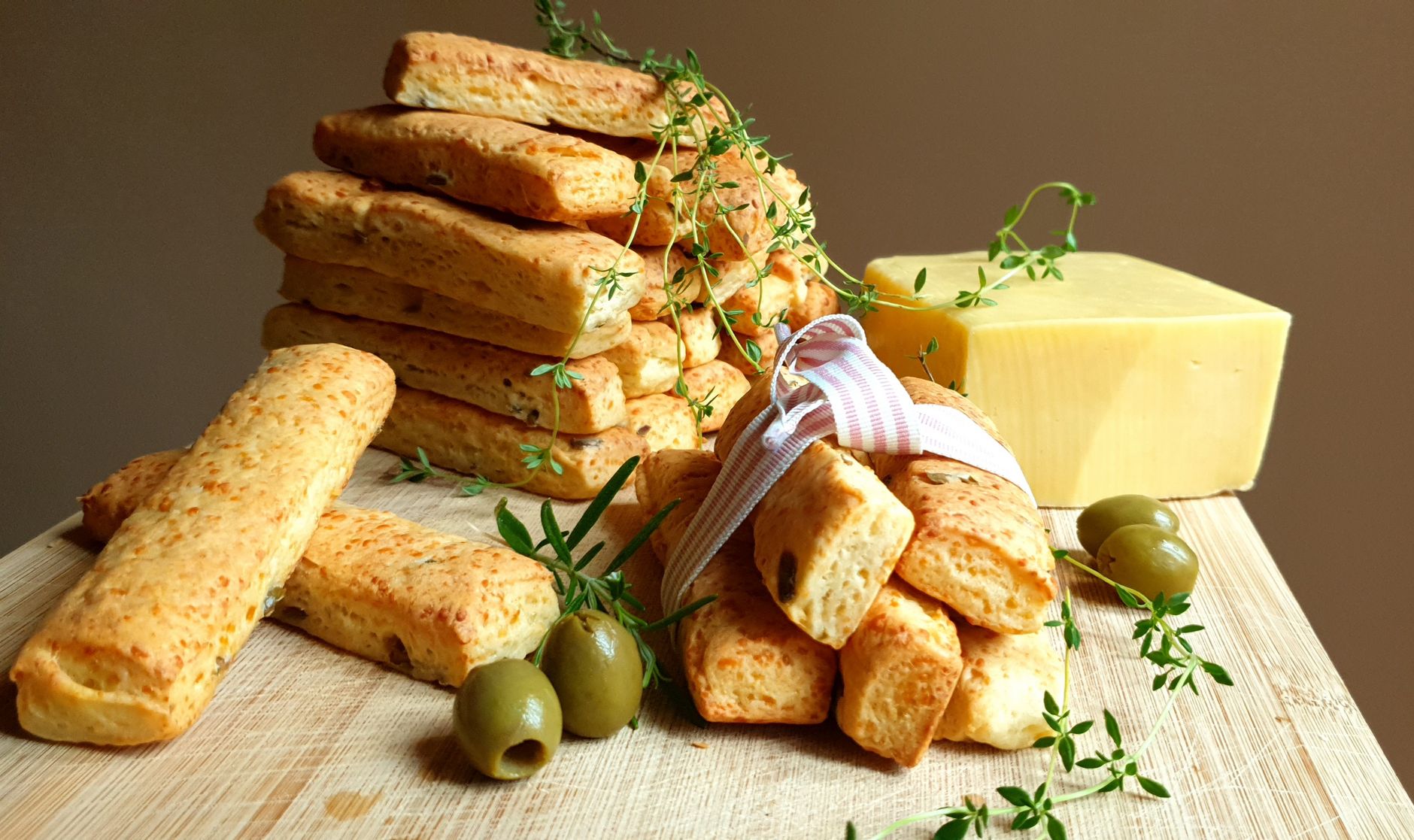
When it comes to dining at Olive Garden, one item that captures attention is their iconic breadstick. Warm, buttery, and topped with garlic, these breadsticks are often the first taste guests indulge in upon their arrival. But as we delve into their deliciousness, many people may wonder, how many calories are in an Olive Garden breadstick?
In this article, we will not only explore the calorie content of an Olive Garden breadstick but also consider its nutritional aspects, serving suggestions, and tips for enjoying them as part of a balanced meal. Whether you are counting calories or simply want to know more about this beloved bread, read on for all the details.
How Many Calories in an Olive Garden Breadstick?
An Olive Garden breadstick, which measures approximately 6.5 inches in length, contains about 140 calories. This calorie count is based on the standard serving size of one breadstick alone and does not include any additional toppings or butter that may be added.
Ingredients of Olive Garden Breadsticks
The ingredients that contribute to the flavor and texture of Olive Garden breadsticks are quite simple. The main components include:
- Flour
- Water
- Salt
- Yeast
- Sugar
- Butter or margarine
- Garlic powder (for seasoning)
This straightforward mixture results in a fluffy, slightly chewy texture with a deliciously savory flavor, making them hard to resist.
Nutritional Breakdown of Olive Garden Breadsticks
Aside from the calorie count, it is essential to understand the nutritional profile of an Olive Garden breadstick. Apart from calories, here’s what one breadstick typically contains:
- Total Fat: 4.5 grams
- Saturated Fat: 1 gram
- Cholesterol: 0 milligrams
- Sodium: 370 milligrams
- Total Carbohydrates: 24 grams
- Dietary Fiber: 1 gram
- Sugars: 1 gram
- Protein: 4 grams
A simple breakdown reveals that these breadsticks are relatively low in fat and cholesterol but do contain a notable amount of sodium, which is something to keep in mind if you are monitoring sodium intake.
Health Considerations
When including breadsticks in your meal, moderation is key. Although they are delicious, their caloric content and sodium levels can add up, especially if you consume several. Pairing them with a lighter entrée or salad can balance the meal and provide a more nutritious profile.
Serving Suggestions for Olive Garden Breadsticks
While Olive Garden breadsticks are often served with marinara sauce or alfredo for dipping, there are numerous ways you can enjoy them:
- With Soup or Salad: Enjoy breadsticks as a side to your favorite soup or salad for a complete meal.
- As a Sandwich: Use them to create mini sandwiches, adding meats or vegetables for a quick snack.
- Bruschetta Style: Top with diced tomatoes, garlic, and basil for a fresh appetizer.
- Garlic Butter Baste: Brush them with melted garlic butter to enhance their flavor further.
Feel free to get creative and pair them with various dips and entrees!
Making Your Own Version at Home
If you love the taste of Olive Garden breadsticks, consider making your own version at home. Here’s a simple recipe for homemade breadsticks that you can customize to your tasting:
Homemade Breadstick Recipe
Yield: 12 breadsticks
Preparation Time: 15 minutes
Cooking Time: 20 minutes
Total Time: 35 minutes
Ingredients
- 2 cups all-purpose flour
- 1 packet active dry yeast (2 ¼ teaspoons)
- 1 teaspoon sugar
- ¾ teaspoon salt
- 1 cup warm water (110°F)
- 2 tablespoons melted butter (for brushing)
- 1 teaspoon garlic powder
Essential Equipment
- Mixing bowl
- Measuring cups and spoons
- Oven
- Baking sheet
Method
- In a mixing bowl, combine warm water, sugar, and yeast. Allow it to sit for about 5-10 minutes, until frothy.
- Add flour and salt to the yeast mixture. Stir until a dough forms.
- Knead the dough on a floured surface for approximately 5 minutes until smooth.
- Place the dough in a greased bowl, cover with a cloth, and let it rise in a warm place for 30 minutes or until doubled in size.
- Preheat your oven to 375°F (190°C).
- Once the dough has risen, punch it down and divide it into 12 equal pieces. Shape each piece into a long roll.
- Place the rolls on a greased baking sheet. Brush the tops with melted butter and sprinkle with garlic powder.
- Bake for 15-20 minutes until golden brown.
This recipe offers a fantastic way to recreate restaurant-quality breadsticks at home, with an option to season them according to your preferences.
Common Mistakes to Avoid
When making homemade breadsticks, there are common pitfalls you can avoid to ensure a successful outcome:
- Using Cold Water: Warm water is key to activating the yeast for the dough rise.
- Not Kneading Enough: Proper kneading helps develop gluten, creating a light and airy texture.
- Overbaking: Keep an eye on your breadsticks; they can go from golden to burnt quickly.
Storing and Reheating Breadsticks
If you find yourself with leftover breadsticks, it’s essential to store them properly to maintain freshness:
- Storing: Keep cooled breadsticks in an airtight container at room temperature for up to 2 days. For longer storage, freeze them in a freezer-safe container for up to 3 months.
- Reheating: For best results, reheat in the oven at 350°F (175°C) for about 5-10 minutes to restore their crustiness.
Conclusion
Understanding the calorie count, nutritional value, and preparation methods of Olive Garden breadsticks can enhance your dining experience, whether you’re at the restaurant or recreating them at home. Enjoying them in moderation as part of a balanced meal can provide both delight and satisfaction.
For more cooking tips and recipe ideas, explore related recipes or food guides to inspire your next culinary endeavor.