
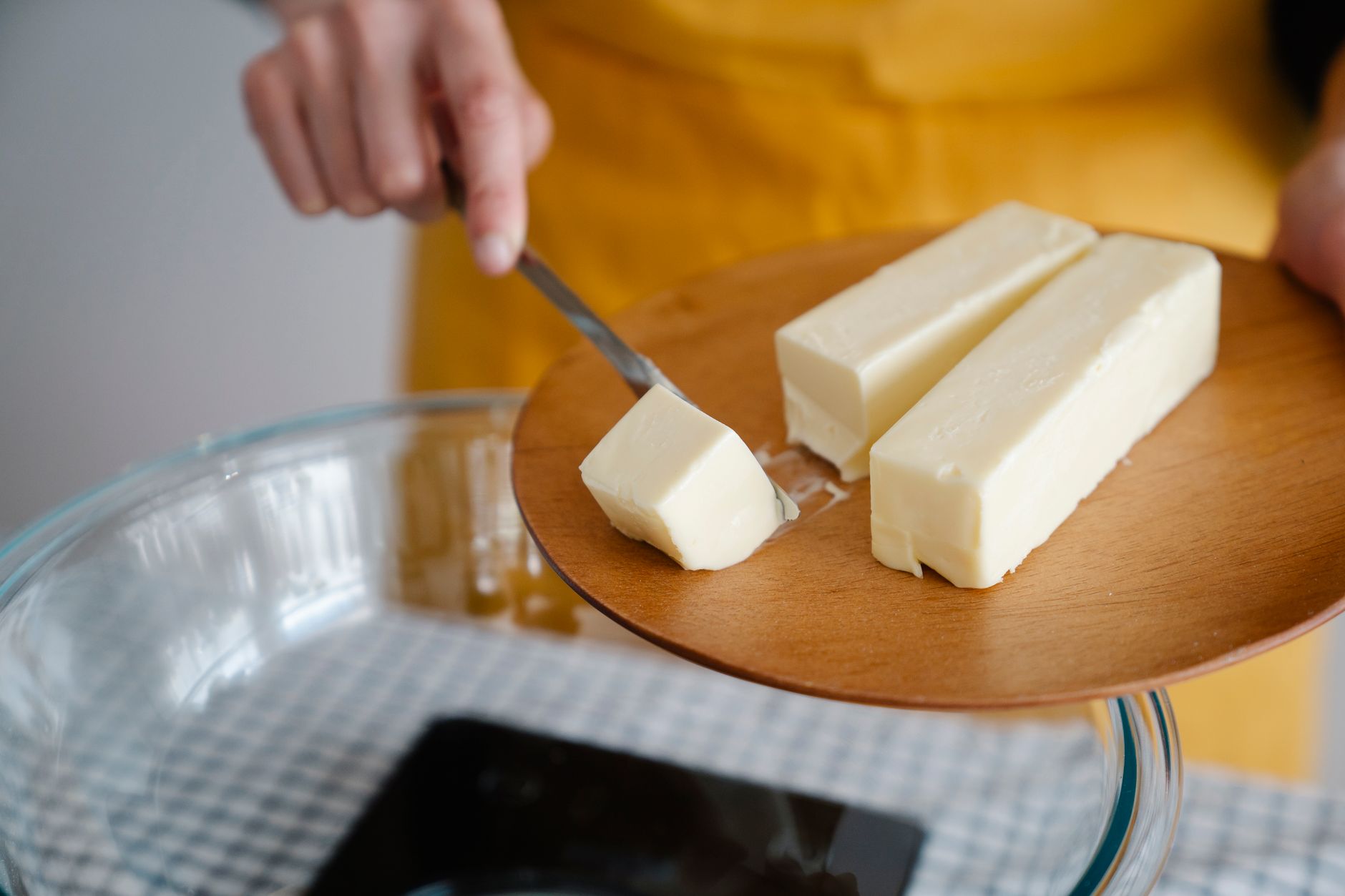
As dietary preferences and restrictions rise, many consumers are keen to know which foods align with their health needs. One question that often surfaces is whether butter contains gluten. Understanding this is crucial, especially for those following gluten-free diets.
This article delves into the gluten content of butter, examining the types of butter, how it’s made, and potential gluten cross-contamination issues. By the end, you will have all the information you need to confidently incorporate butter into your meals.
Does Butter Have Gluten?
No, butter does not naturally contain gluten. Gluten is a protein found in specific grains like wheat, barley, and rye, while butter is made entirely from cream. However, cross-contamination can occur, so it is essential to consider the source and processing of the butter.
Understanding Gluten
Gluten is a protein that occurs in certain cereals and acts as a binding agent in many baked goods. For individuals with celiac disease or gluten sensitivity, consuming gluten can lead to adverse reactions. Thus, gluten-free diets are strictly observed to avoid wheat, barley, and rye.
Common symptoms of gluten intolerance include digestive discomfort, fatigue, and joint pain. Understanding where gluten is found is crucial for those needing to avoid it, including in processed foods, sauces, and condiments.
Types of Butter
Butter is generally categorized into several types, each made from varying qualities of cream or varying methods of preparation. Here are the main types of butter you might encounter:
- Unsalted Butter: This is the classic butter perfect for cooking and baking. It contains no added salt, making it ideal for recipes where you want to control the salt content.
- Salted Butter: This type has salt added during the churning process. It is typically used as a spread and in cooking where salt enhances flavor.
- Clarified Butter: Produced by melting butter to separate the milk solids and water, clarified butter has a higher smoke point and is ideal for high-heat cooking. It is similar to ghee, which is butter that has been simmered longer to develop a nutty flavor.
- Compound Butter: This is butter mixed with various flavorings, such as herbs, spices, or citrus zest. It can be used to enhance the flavor of dishes.
- European-Style Butter: Known for its higher butterfat content, this type of butter has a richer taste and is often preferred in baking.
How Is Butter Made?
The process of making butter involves churning cream until the fat separates from the liquid buttermilk. Here are the steps:
- Gather Ingredients: The primary ingredient is heavy cream, which should be preferably pasteurized.
- Churning: Cream is beaten, agitated, or churned. This process breaks the emulsion, separating the butterfat from buttermilk.
- Washing and Salting: The butter is often washed to remove remaining buttermilk and may be salted for flavor.
- Shaping and Packaging: The butter is then shaped into blocks or sticks and packaged for sale.
Cross-Contamination Concerns
While butter itself is gluten-free, concerns about cross-contamination arise during processing and packaging. Here are some points to consider:
- Shared Equipment: If butter is processed on equipment that also handles gluten-containing products, there is a risk of cross-contamination.
- Added Ingredients: Always check the labels for additives or flavorings that may contain gluten.
- Catering and Restaurants: If dining out, inquire how butter is handled in the kitchen. It is possible for servers to use the same utensil for gluten and gluten-free products.
Choosing Gluten-Free Butter
To ensure you’re consuming gluten-free butter, follow these tips:
- Check Labels: Look for butters specifically labeled “gluten-free” or “made in a gluten-free facility.”
- Buy Fresh: Purchase butter from reputable brands known for their quality and food safety practices.
- Ask Questions: Don’t hesitate to ask questions regarding gluten content, especially when buying from local dairies or farmers’ markets.
Butter Alternatives
For those who are avoiding butter for dietary or health reasons, there are alternatives that can still provide richness and flavor without the gluten concerns. Here are some options:
- Ghee: This clarified butter is free from lactose and casein and is also gluten-free. It has a rich, nutty flavor and a high smoke point, making it great for cooking.
- Coconut Oil: A staple in vegan diets, it provides a distinct coconut flavor and can be used in baking and cooking.
- Avocado Oil: A good substitute for those allergic to dairy, it can be used for sautéing or as a base for dressings.
- Vegetable Shortening: A common alternative for baking, vegetable shortening can mimic butter’s texture without gluten.
- Nut Butters: These can offer a creamy texture and flavor, suitable for spreads or baking, as long as they don’t contain gluten additives.
Cooking with Butter
Butter can enhance both flavor and texture in your cooking and baking. Here’s how to use it effectively:
Baking with Butter
Butter adds moisture and richness to baked goods. Here are some tips for baking:
- Softened Butter: Be sure to use softened butter for creaming with sugar, as this helps incorporate air for a lighter texture.
- Chilled Butter: Use chilled butter in pie crusts or biscuits to achieve flakiness, as the cold fat creates steam during baking.
- Measurement: Measure carefully, as using too much or too little butter can affect the outcome.
Cooking with Butter
When cooking, butter can be used in various ways:
- Sautéing: Use butter to sauté vegetables for flavor. Keep the heat moderate to avoid burning the fat.
- Finishing Sauce: Stir in butter at the end of cooking a sauce for a glossy finish and rich flavor.
- Better than Margarine: Butter is often preferred for its natural flavor compared to margarine, which may contain trans fats or additives.
Common Mistakes When Using Butter
Even experienced cooks can make mistakes with butter. Here are a few to watch for:
- Using Cold Butter in Baking: Cold butter can be problematic when you need to cream it with sugar.
- Burning Butter: If butter starts to brown too quickly, reduce the heat or remove it from the burner before it burns.
- Neglecting to Blend Properly: Ensuring butter is well incorporated in doughs can significantly affect texture.
Storing Butter
Proper storage extends the shelf life of butter and maintains its flavor:
- Refrigeration: Butter can be stored in the refrigerator for up to six months.
- Freezing: For longer storage, butter can be frozen. Ensure it is tightly wrapped to prevent freezer burn.
- Counter Storage: Unopened packages can often be kept at room temperature for short periods, but it is ideal to use them within a week.
Conclusion
Butter is a delicious ingredient that is naturally gluten-free. However, it’s essential to be mindful of cross-contamination and to select brands wisely to ensure its gluten-free status. Whether baking, cooking, or just spreading it on toast, butter can elevate your dishes significantly when used correctly.
To learn more about how to work with butter, check out our clarified butter recipe or discover whether ghee is healthy for your diet. Explore related recipes and cooking tips to enhance your culinary skills!