
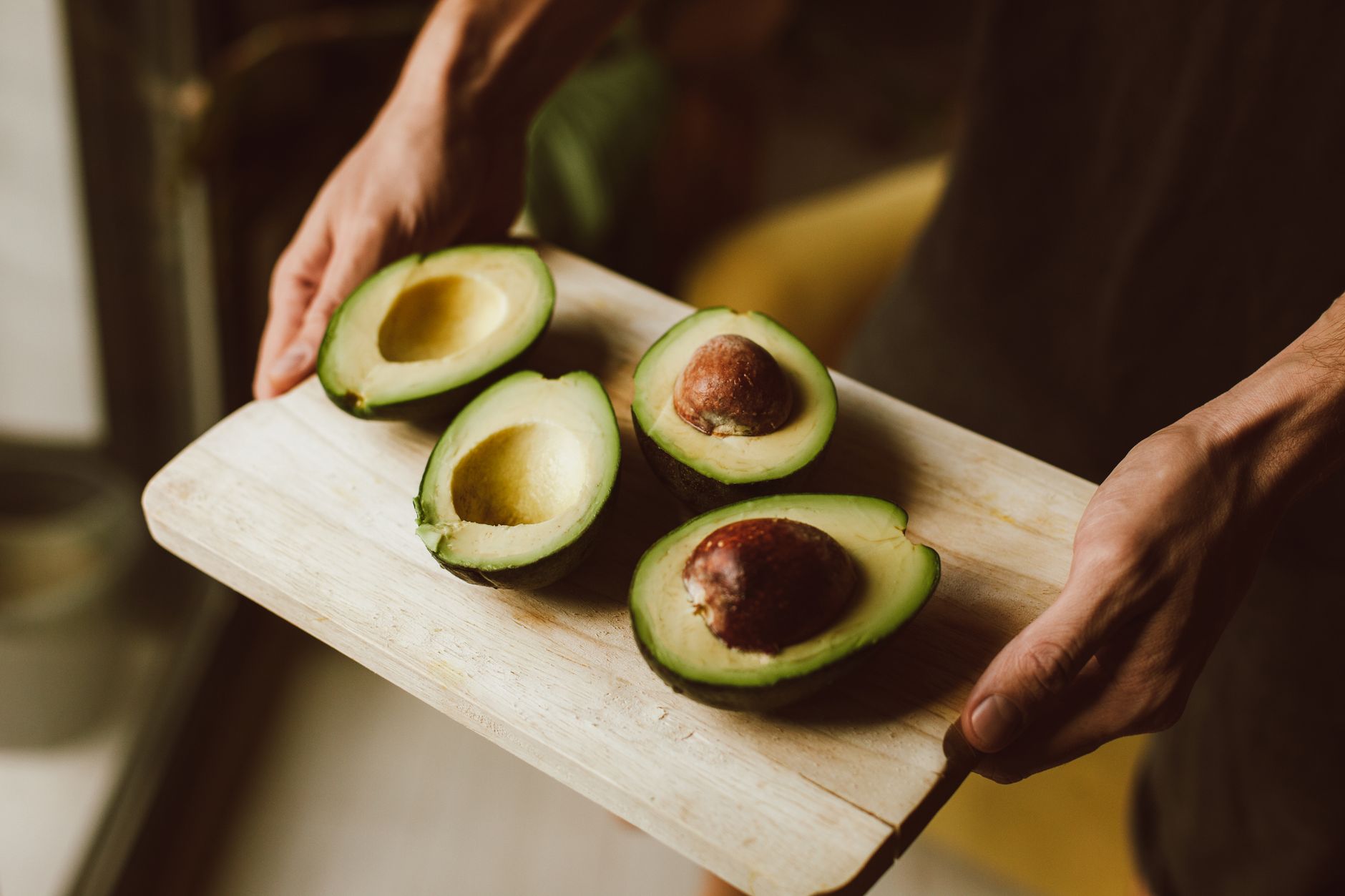
Avocado, a creamy and delicious fruit, has become a staple in many diets around the world. Particularly known for its healthy fats, consumers often wonder about its protein content. Does avocado have protein? Understanding its nutritional profile can assist in meal planning and in making informed dietary choices.
This article will cover the protein content in avocados, their culinary uses, and how they can fit into various diets. We’ll explore the nutritional benefits of avocados, tips for selecting and storing them, as well as ideas for meal preparation.
Does Avocado Have Protein?
Yes, avocados do contain protein, although they are not considered a significant source compared to other foods like meat, dairy, or legumes. A typical avocado has about 3 grams of protein per fruit, making them a nutrient-dense choice, particularly when combined with other protein sources in meals.
Nutritional Profile of Avocados
Avocados provide a range of nutrients that contribute to a balanced diet. They are rich in vitamins and minerals, including:
- Vitamins K, C, E, and several B vitamins
- Potassium, which is essential for heart health
- Healthy monounsaturated fats, beneficial for cardiovascular health
Here is a brief breakdown of the nutritional content of one whole avocado (about 200 grams):
| Nutrient | Amount |
|---|---|
| Calories | 320 |
| Protein | 3g |
| Fat | 29g |
| Carbohydrates | 17g |
| Fiber | 13g |
| Sugars | 1g |
This high fiber content makes avocados a great choice for digestive health, and their unique fat profile can help in absorbing fat-soluble vitamins from other foods.
Culinary Uses of Avocados
Avocados are incredibly versatile and can be used in a variety of dishes. Here are some popular culinary uses:
- Guacamole: A classic dip made by mashing avocados and mixing with lime, salt, onion, cilantro, and tomatoes.
- Salads: Diced or sliced avocado adds creaminess to salads and pairs well with greens and fruits.
- Smoothies: Adding avocado to smoothies makes them richer and creamier without altering the flavor significantly.
- Toast: Avocado toast is a popular breakfast item; simply mash or slice avocado on toasted bread and top with seasonings.
- Soups: Avocado can be blended into soups for added creaminess or served as a garnish for chilled soups.
Its creamy texture complements both sweet and savory dishes, making avocado a favorite in various cuisines.
How to Select and Store Avocados
Selecting Avocados
Choosing the right avocado is crucial for culinary success. Here’s what to look for:
- Color: Ripe avocados typically have a darker green or almost black skin.
- Feel: Gently squeeze the avocado; it should yield slightly without feeling mushy. Avoid hard avocados as they’re not ripe yet.
- Shape: Look for avocados that are round and plump rather than those that are flat or featureless.
Storing Avocados
Proper storage of avocados can prevent spoilage:
- Unripe Avocados: Store at room temperature until they ripen.
- Ripe Avocados: Refrigerate to extend freshness if you won’t consume them immediately. This can prevent browning and keep the fruit firm for a longer time.
- Cut Avocados: If you’ve cut an avocado, sprinkle lemon or lime juice on the exposed flesh and store it in an airtight container in the fridge. This helps reduce browning.
Incorporating Avocados Into Your Diet
Integrating avocados into your meals can be both nutritious and delicious. Here are some practical meal ideas that include avocados:
- Breakfast: Try avocado toast topped with a poached egg for a protein boost.
- Lunch: Create a hearty salad with mixed greens, chickpeas, and avocado slices.
- Dinner: Use avocado in tacos, combining it with grilled chicken or fish.
- Snacks: Dip tortilla chips into homemade guacamole for a flavorful snack option.
By pairing avocado with other protein sources, such as beans, nuts, or dairy, you can effectively increase the overall protein content of your meal.
Dietary Preferences and Considerations
Avocados are suitable for a range of dietary preferences:
- Vegan and Vegetarian: A great option for those lacking meat protein, avocados provide healthy fats and can be incorporated into various dishes.
- Low-Carb and Keto: Their low carbohydrate content and high-fat level make avocados ideal for low-carb diets.
- Gluten-Free: Naturally gluten-free, avocados can be included in meals for those with gluten sensitivities.
Common Mistakes When Using Avocados
Even with their popularity, avocado usage can come with pitfalls. Here are some common mistakes:
- Choosing Underripe Avocados: Using avocados that aren’t ripe can lead to disappointing texture and flavor in dishes.
- Overripe Avocados: Avoid using overly soft avocados, as they may have an off flavor and an unappealing mushy texture.
- Not Storing Properly: Failing to store cut avocados properly can lead to browning and spoilage.
Recipe Ideas Featuring Avocados
Here are some delightful recipe ideas to maximize your avocado enjoyment:
Avocado Toast with Poached Eggs
This breakfast dish combines the creamy goodness of avocado with protein-rich poached eggs, creating a satisfying meal.
- Yield: 2 servings
- Preparation Time: 5 minutes
- Cooking Time: 10 minutes
- Total Time: 15 minutes
- 2 slices of whole-grain bread
- 1 ripe avocado
- 2 eggs
- Salt and pepper to taste
- Optional toppings: chili flakes, lemon juice, or fresh herbs
- Toast the slices of bread until golden brown.
- While the bread is toasting, fill a small pot with water and bring it to a gentle boil. Add a splash of vinegar.
- Crack each egg into a small bowl and gently slide it into the boiling water. Poach for about 3-4 minutes or until the whites are set but the yolks remain runny.
- Meanwhile, mash the avocado in a bowl, adding salt and pepper to taste.
- Spread the mashed avocado generously on each piece of toasted bread.
- Remove the eggs from the water and place one on each slice of avocado toast. Season with additional toppings as desired.
Classic Guacamole
Perfect for parties or as a snack, guacamole is full of flavor and nutrients.
- Yield: 4 servings
- Preparation Time: 10 minutes
- Total Time: 10 minutes
- 2 ripe avocados
- 1 lime, juiced
- 1 small onion, diced
- 1 tomato, diced
- Fresh cilantro (optional)
- Salt to taste
- Cut avocados in half, remove the pit, and scoop the flesh into a bowl.
- Mash the avocado with a fork until you reach your desired level of smoothness.
- Add the lime juice, onion, tomato, cilantro, and salt, mixing well to combine.
- Serve with tortilla chips or as a topping for tacos.
Avocado in Meal Planning
Incorporating avocados into your weekly meal plan can be both healthful and tasty. Here are some tips:
- Plan meals that include avocados to maximize their use throughout the week, ensuring freshness.
- Consider varying your avocado usage by trying them in different dishes, such as smoothies, salads, and sandwiches.
- Batch-cook items that pair well with avocado, like eggs or beans, to save time on busy days.
Conclusion
Avocados may not be a high-protein food but they offer numerous nutritional benefits that complement any healthy diet. With their creamy texture and versatility, they can elevate various meals. Incorporating avocados into your daily meals allows for creativity in cooking while ensuring you enjoy their health benefits.
Explore more delicious recipes like protein brownies and protein cookies to keep your diet exciting and nutritious!