
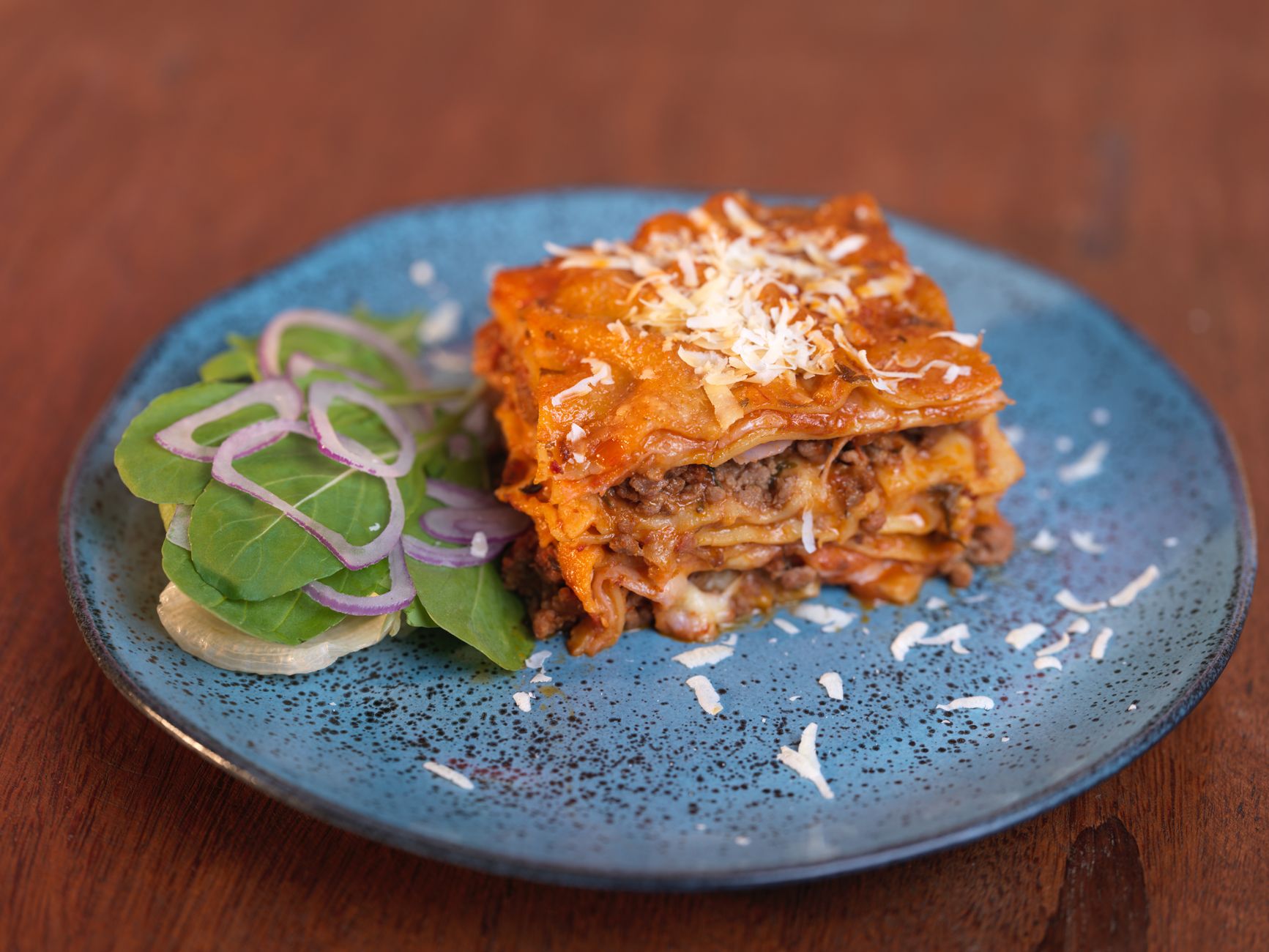
Ground beef is a versatile ingredient found in countless kitchens, known for its rich flavor and ability to adapt to a variety of dishes. One of the most common serving sizes is four ounces, making it essential to understand its nutritional content, particularly its protein content, to maintain a balanced diet.
This article will explore how much protein is in 4 oz of ground beef, alongside tips for cooking and incorporating it into meals, as well as the nutritional benefits and varieties available.
How Much Protein Is in 4 Oz of Ground Beef?
In 4 oz of cooked ground beef, there are approximately 28 grams of protein. This amount can vary slightly depending on the fat content of the beef, which ranges from 70% to 95%. For those seeking to increase their protein intake, ground beef is a nutrient dense option.
The Basics of Ground Beef
Ground beef is made from various cuts of beef and is categorized based on its fat content. Here are the common types:
- Extra Lean: 95% lean, 5% fat
- Lean: 90% lean, 10% fat
- Medium: 80% lean, 20% fat
- Regular: 70% lean, 30% fat
The fat content directly influences the protein level and overall nutrition of the meat. Higher fat content may provide additional calories but will have less protein per ounce compared to leaner cuts. This is crucial to consider when planning meals.
Understanding Protein Needs
Protein is an essential macronutrient necessary for various body functions, including muscle repair, hormone production, and immune function. The Recommended Dietary Allowance (RDA) for protein is about 46 grams for women and 56 grams for men per day. However, individual needs may vary based on activity levels, age, and overall health.
Incorporating ground beef into your diet can help meet these protein requirements, especially for those who may struggle with vegetarian options or other protein sources.
Cooking Ground Beef: Techniques and Tips
Ground beef can be prepared in countless delicious ways, making it a staple in many households. Here are some popular cooking methods:
1. Sautéing
Sautéing is a fast and easy way to cook ground beef. It is often used for recipes like spaghetti sauce or tacos.
- In a skillet, heat a tablespoon of oil over medium heat.
- Add the ground beef and break it apart with a spatula.
- Cook until browned (about 7-10 minutes), stirring occasionally.
- Drain excess grease if necessary before adding seasonings or other ingredients.
2. Baking
Baking ground beef is suitable for casseroles and meatloaf. This method retains moisture and flavor.
- Preheat the oven to 350°F (175°C).
- In a mixing bowl, combine ground beef with desired seasonings and any binders like breadcrumbs or eggs.
- Shape the mixture into a loaf or place it in a casserole dish.
- Bake for 45-60 minutes until fully cooked (internal temperature should reach 160°F or 71°C).
3. Grilling
Grilling ground beef is perfect for making burgers, which is a classic and favorite method for backyard cookouts.
- Preheat the grill to medium-high heat.
- Form ground beef into patties (4 ounces each is a common size for burgers).
- Season with salt, pepper, and any preferred spices.
- Grill 4-5 minutes on each side, or until the internal temperature reaches 160°F (71°C).
Variations of Ground Beef Dishes
Ground beef can be the star of many dishes. Here are some ideas to consider:
- Tacos: Use seasoned ground beef as a filling for soft or hard taco shells, topped with lettuce, cheese, salsa, and sour cream.
- Spaghetti Bolognese: A rich tomato sauce with ground beef served over spaghetti for a comforting meal.
- Chili: Combine ground beef with beans, tomatoes, and spices for a hearty dish.
- Meatloaf: Ground beef mixed with seasonings, eggs, and breadcrumbs, then baked into a loaf.
- Stuffed Peppers: Filling bell peppers with a mixture of ground beef, rice, and spices, then baked.
Practical Tips for Cooking with Ground Beef
When selecting and cooking ground beef, consider the following practical tips:
- Select the Right Cut: Choose the fat content based on your dietary preferences. Leaner cuts may be better for those watching fat intake.
- Thaw Safely: If using frozen ground beef, always defrost it in the refrigerator, cold water, or the microwave. Do not leave it out at room temperature.
- Cook Thoroughly: Always ensure that ground beef is cooked until it reaches an internal temperature of 160°F (71°C) to ensure food safety.
- Season Wisely: Use a mix of spices and herbs to enhance the flavor of ground beef, but don’t overpower it. Basic salt and pepper can go a long way.
- Store Properly: If there is leftover cooked ground beef, cool it quickly and refrigerate in a sealed container to prevent spoilage.
Ground Beef vs. Other Protein Sources
While ground beef is an excellent source of protein, it’s helpful to understand how it compares with other protein sources:
| Food | Protein (per 4 oz) |
|---|---|
| Ground Beef | 28 grams |
| Chicken Breast | 30 grams |
| Tofu | 10 grams |
| Eggs | 24 grams (for 4 large eggs) |
| Fish (Salmon) | 25 grams |
Ground beef offers a comparable amount of protein to chicken and fish, and it provides a range of essential nutrients such as iron and zinc, which are notably important for various bodily functions.
Ground Beef Nutritional Benefits
In addition to being a good source of protein, ground beef offers several nutritional benefits:
- Iron: Essential for transporting oxygen in the blood; ground beef is rich in heme iron, which is easily absorbed by the body.
- Zinc: Important for immune function and wound healing; ground beef is a significant source.
- Vitamin B12: Necessary for nerve function and the production of DNA; ground beef provides a significant amount of this vitamin.
- Selenium: An antioxidant that helps protect cells from damage; ground beef contains a good amount.
Substituting Ground Beef
For those looking to reduce meat consumption or address dietary restrictions, several alternatives can replace ground beef in recipes.
- Ground Turkey: Lower in fat and still offers a good protein content, ground turkey is an excellent alternative for recipes where ground beef texture is needed.
- Ground Chicken: Similar to turkey, ground chicken is lean and can work well in various dishes.
- Plant-Based Crumbles: Made from soy or pea proteins, these crumbles mimic the texture and flavor of ground beef and are a favorite among vegetarians and vegans.
- Quinoa or Lentils: These whole-food options provide protein and fiber without the fat typically found in meat. They work well in chili or tacos.
Common Mistakes When Cooking with Ground Beef
Cooking with ground beef can sometimes lead to errors that affect the dish’s outcome. Here are a few common mistakes:
- Overcooking: This can dry out the beef; aim for a perfect brown without burning.
- Underseasoning: Ground beef can be bland without proper seasoning; be generous with spices.
- Not Breaking It Up: Failing to break up ground beef while cooking can lead to uneven cooking and texture.
- Ignoring Rest Time: Allowing cooked beef to rest before serving lets juices redistribute, enhancing flavor and moisture.
Storage and Reheating Guidelines
To maintain the quality of ground beef and ensure food safety, proper storage is vital.
- Refrigeration: Cooked ground beef can be safely stored in the refrigerator for 3-4 days.
- Freezing: Uncooked ground beef can be frozen for up to 4 months. Cooked ground beef can last 2-3 months in the freezer.
- Reheating: When reheating, ensure it reaches an internal temperature of at least 165°F (74°C).
In summary, ground beef is an excellent source of protein, with approximately 28 grams in a 4 oz serving. It can be easily incorporated into a wide variety of meals, offering numerous nutritional benefits and culinary versatility. Whether aiming for classic comfort food or experimenting with different protein sources, ground beef remains an accessible and flavorful option.
Explore more about ground beef and other cooking tips by checking out our guides on how long ground beef lasts in the fridge and how much protein is in ground beef.