
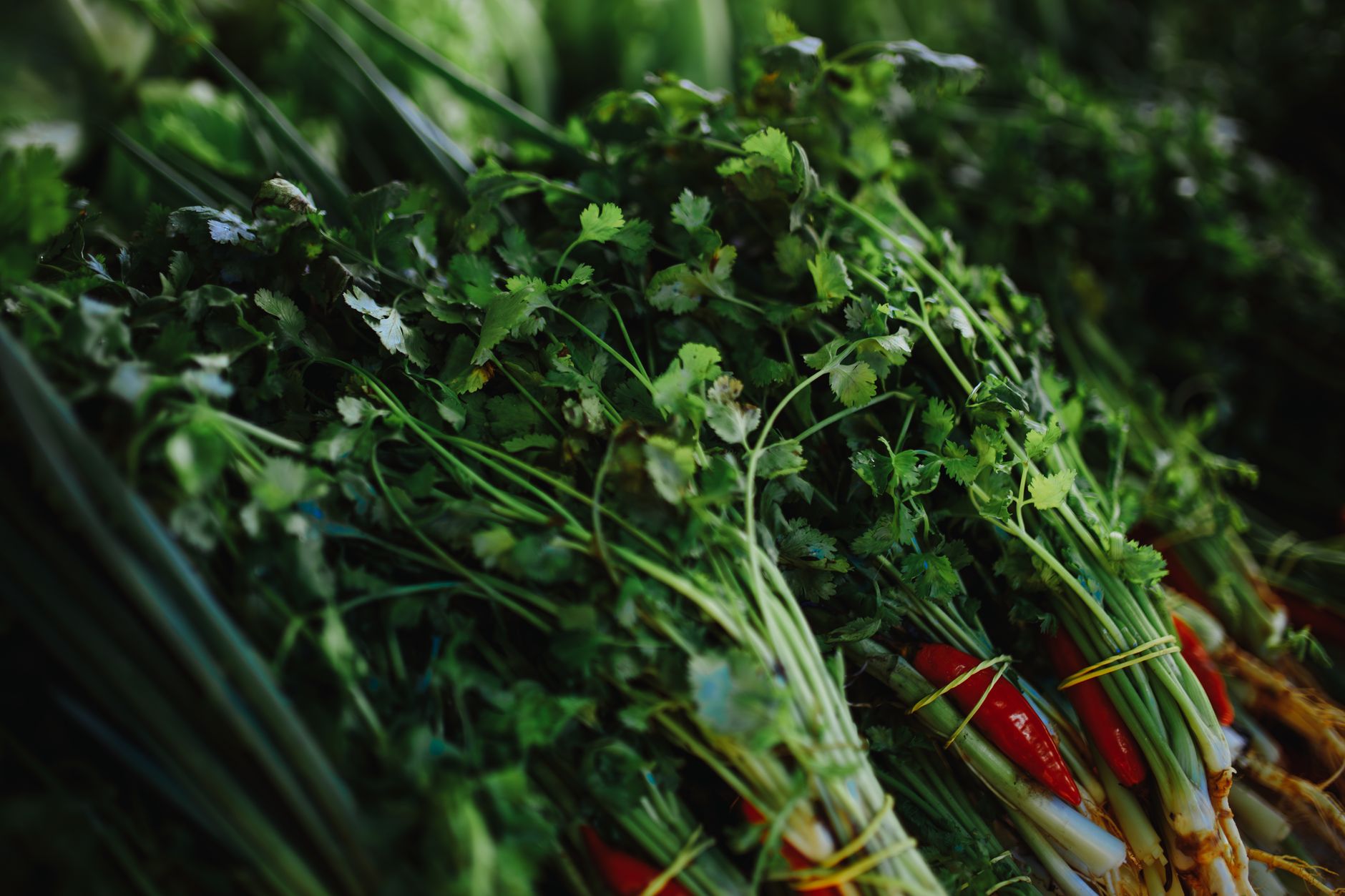
Cilantro, also known as coriander in many parts of the world, is a versatile herb that elevates a variety of dishes with its bold flavor. While most people commonly use cilantro leaves, the stems are an often-overlooked component of this aromatic plant. Many wonder, do you eat cilantro stems? The answer is yes, and they can be a wonderful addition to your culinary creations.
This article will explore the culinary uses of cilantro stems, their flavor characteristics, and practical ways to incorporate them into your meals. You’ll also find tips on how to prepare and store cilantro, along with suggestions for recipes that highlight the unique qualities of both the leaves and the stems.
Do You Eat Cilantro Stems?
Yes, cilantro stems are edible and can add depth to your dishes. They share similar flavors with the leaves, albeit at a slightly more robust level, making them a great source for infusing vibrant cilantro flavor without losing texture. By using the whole plant, you can reduce waste and enhance the flavor profile of your meals.
Understanding the Flavor Profile of Cilantro Stems
The flavor of cilantro is distinctive and polarizing for some. It possesses a fresh, slightly citrusy taste with peppery undertones. The stems, while more fibrous than the leaves, carry much of this flavor, making them a valuable ingredient.
Cilantro stems are crunchy and can add texture to your dishes. The lower part of the stem is generally thicker and can be more fibrous; however, the upper parts are tender and are great for chopping. Understanding these differences can enhance how you use them in cooking.
Advantages of Eating Cilantro Stems
- Flavor Enhancement: Cilantro stems provide an additional layer of flavor to dishes, making them more aromatic and complex.
- Texture: The crunchy texture of the stems adds a delightful bite, enhancing the overall eating experience.
- Reduce Waste: Utilizing the entire plant minimizes waste and maximizes your culinary resources.
- Nutritional Value: Like the leaves, cilantro stems are rich in vitamins A, C, and K, as well as antioxidants.
How to Prepare Cilantro Stems
To prepare cilantro stems for use in your recipes, follow these steps:
- Rinse the cilantro under cold water to remove any dirt or grit.
- Shake off excess water or pat dry with a clean kitchen towel.
- Remove any discolored or wilted leaves and trim off the very bottom of the stems if they appear dry or tough.
- Depending on your recipe, chop the stems and leaves together, or keep the stems separate for specific uses.
Culinary Uses for Cilantro Stems
In Soups and Stews
Cilantro stems can be beneficial when added to soups and stews. They impart a fresh flavor as they simmer alongside other ingredients. Use chopped stems when creating chicken soup, vegetable stock, or curry to enhance the herbaceous notes.
In Salsas and Sauces
When preparing salsa or sauces, include cilantro stems for a more intense flavor. A chimichurri sauce that combines herbs, garlic, and olive oil will benefit from the addition of chopped stems, ensuring a bold and well-rounded taste. Try a cilantro chimichurri recipe for this purpose!
In Salads
Add finely chopped cilantro stems to salads for an unexpected crunch and flavor boost. Mix them with leafy greens, diced cucumbers, chopped peppers, and other vegetables for a refreshing side dish. Their peppery flavor complements lime-heavy dressings well.
In Marinades
Cilantro stems can also be incorporated into marinades for meats or vegetables. Blend stems with garlic, lime juice, and other spices to create a flavorful marinade for grilled shrimp or chicken.
In Pesto
Explore the creative use of cilantro stems in pesto. Combine them with garlic, nuts, cheese, and olive oil for a vibrant twist on the classic basil pesto. This is an excellent way to make a unique pasta dish or drizzle over grilled vegetables.
Cilantro Storage Tips
To maintain the freshness of cilantro, including its stems, proper storage is essential:
- Wrap the cilantro in a damp paper towel and place it in a resealable plastic bag. Store it in the refrigerator.
- Alternatively, you can place the stems in a jar of water, covering the leaves with a plastic bag. This method mimics a flower vase, keeping the cilantro fresh for longer.
- To store cilantro for an extended period, consider freezing the stems. Chop them, place them in an ice cube tray with water, and freeze. Use these cubes in soups and stews as needed.
Recipe Ideas Featuring Cilantro Stems
Here are a few recipe ideas that utilize both cilantro leaves and stems, showcasing their versatility:
Cilantro Lime Crema
This creamy sauce combines cilantro stems and leaves to create a vibrant topping for tacos, burritos, or bowls. The zesty lime and creamy texture balance perfectly.
- In a blender, combine 1 cup sour cream, ¼ cup mayonnaise, juice of 1 lime, and ½ cup cilantro (both leaves and stems).
- Blend until smooth and creamy. Season with salt and pepper to taste.
- Serve immediately or refrigerate for up to a week.
For a detailed recipe, check out our cilantro lime crema recipe.
Cilantro Stem Stir-Fry
A quick stir-fry is a great way to incorporate cilantro stems. They add an extra layer of flavor alongside your choice of protein and vegetables.
- Heat 2 tablespoons of oil in a large skillet over medium-high heat.
- Add 1 cup chopped protein (tofu, chicken, or shrimp) and cook until golden brown.
- Add 1 cup mixed vegetables (bell peppers, broccoli, carrots) and ½ cup chopped cilantro stems, sautéing until tender.
- Season with soy sauce or your preferred stir-fry sauce, and toss to coat evenly before serving.
Common Mistakes and Troubleshooting
While using cilantro stems is largely forgiving, here are some common pitfalls to avoid:
- Overcooking: Cilantro stems should be added early in cooking processes like soups and stews but should be added later in stir-fries to maintain some crunch.
- Ignoring the Texture: If stems seem overly fibrous, consider finely chopping them or selectively using just the tender upper parts.
- Forgetting the Flavor: Remember that cilantro has a distinct taste that not everyone loves. Use stems moderately in dishes intended for a broader audience.
Final Thoughts
Cilantro stems may not be the star of the show, but they play an essential supporting role in many dishes. Their flavor and texture can enhance everything from sauces to salads, making them a valuable ingredient in your kitchen. By using the whole cilantro plant, you not only elevate your cooking but also promote sustainability.
Ready to start incorporating cilantro stems into your culinary repertoire? Head to your kitchen and experiment with them in stir-fries, salsas, or even creative pestos!
Explore more delicious recipes and cooking tips by checking out our guides, including chimichurri and cilantro lime crema recipes.