
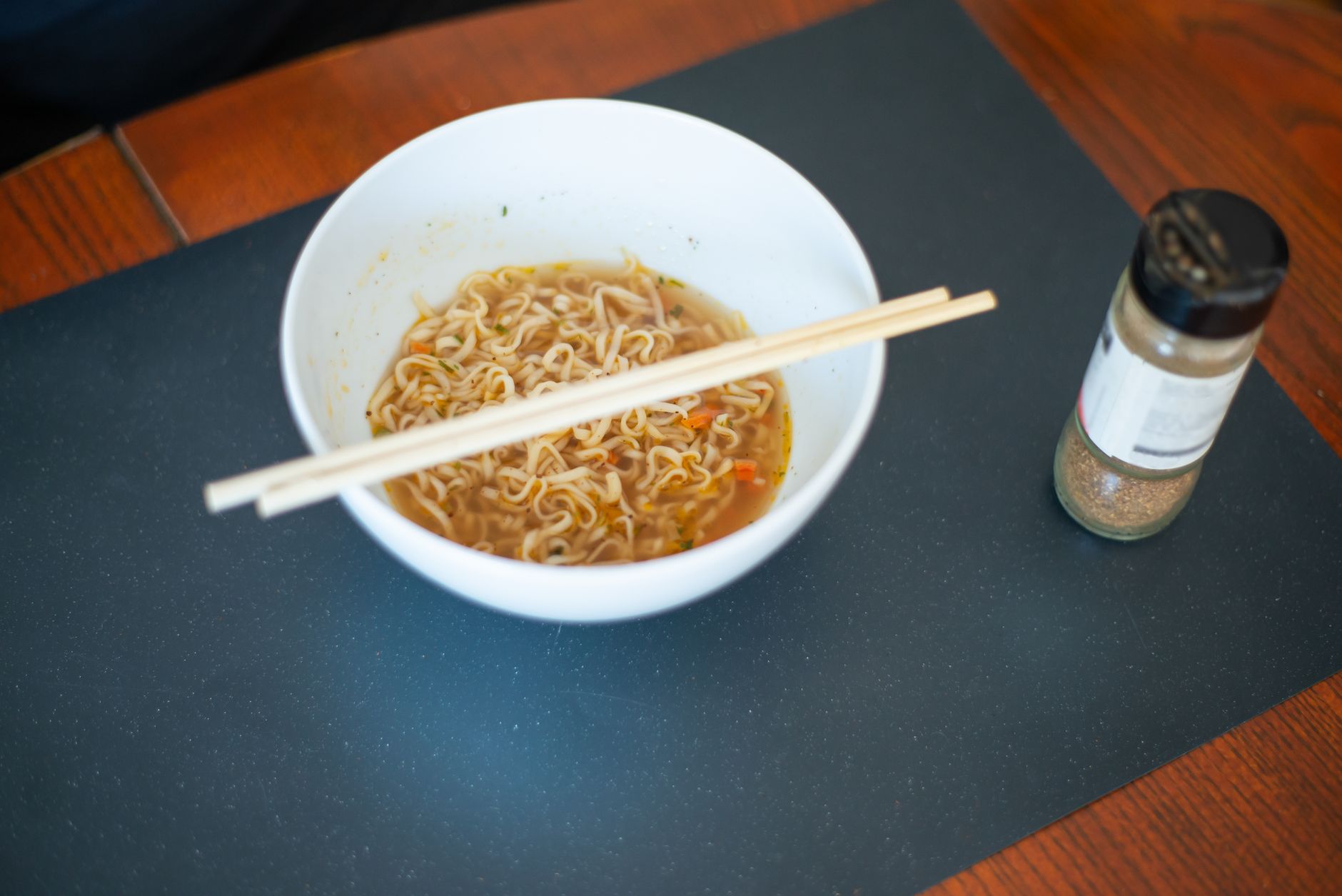
With the popularity of ramen noodles skyrocketing worldwide, many curious consumers find themselves asking, “Do ramen noodles have bugs in them?” This question often arises from concerns about pests in processed foods and the safety of ingredients. This article dives deep into the topic, exploring whether ramen noodles really could contain insects and why food safety practices matter.
Understanding food production and safety is crucial for both avid cooks and casual consumers. This guide aims to demystify the relationship between ramen noodles and pests while offering practical insights on food safety and the best practices for cooking or using ramen in your meals.
Do Ramen Noodles Have Bugs in Them?
Generally, commercially produced ramen noodles do not contain bugs. Food safety regulations exist to prevent contaminants, including insects, from entering food products. While it is possible for bugs to occasionally be found in grains and flour used for noodle production, stringent processing methods aim to eliminate these risks, ensuring that ramen noodles are safe to eat.
The Ramen Noodle Production Process
To understand whether ramen noodles could have bugs, it’s essential to learn about the production process. Ramen noodles are typically made from a few simple ingredients, including wheat flour, water, salt, and an alkaline mineral water called kansui. Here’s a breakdown of how these noodles are made:
- Ingredient Mixing: The flour and kansui are combined with water to form a dough.
- Dough Rolling: The dough is kneaded and rolled out into thin sheets, which allows for the right texture.
- Cutting and Shaping: The sheets of dough are cut into noodle strands and shaped accordingly.
- Steaming: The noodles are steamed to cook partially, which enhances the texture.
- Drying: Finally, the noodles are dried or fried to remove moisture, which helps preserve them for extended shelf life.
This extensive process helps minimize the risk of contamination from insects or other pests. Additionally, the heat from steaming and cooking serves to kill any potential pathogens present.
Food Safety Regulations and Standards
Food production, especially in products like ramen noodles, is subject to stringent regulations designed to ensure public safety. The following aspects highlight the food safety measures in place:
- Regulatory Agencies: In the United States, the Food and Drug Administration (FDA) regulates food products, including noodles, ensuring they meet safety standards.
- Quality Control: Manufacturers implement quality control practices that monitor production lines to prevent contamination and maintain hygiene.
- Inspection Protocols: Regular inspections by food safety authorities further ensure compliance with safety standards and regulations.
These safety protocols make the presence of bugs in ramen noodles highly unlikely, as manufacturers are held accountable for the quality and safety of their products.
Are There Exceptions to the Rule?
While commercial ramen noodles are generally safe, homemade noodles or artisanal brands without proper certifications may pose a higher risk of contamination. Here’s why:
- Smaller Producers: Smaller or artisanal manufacturers may not have the same robust safety processes as larger corporations, leading to potential risks.
- Improper Storage: Homemade noodles or those stored improperly could attract pests during production or storage, making them more susceptible to contamination.
- Packaging Concerns: Inadequate packaging can allow insects to enter during transit or on store shelves.
For these reasons, it’s always advisable to buy ramen noodles from reputable brands and check for packaging integrity. Consider purchasing from well-known manufacturers with positive reviews to ensure quality and safety.
Signs That Your Ramen Noodles Are Compromised
Although ramen noodles are typically safe to eat, it’s essential to know what signs to look for to ensure your packaged noodles have not been compromised:
- Visual Inspection: Check for any visible bugs or webbing, which indicates contamination.
- Smell Test: Ramen noodles should have a neutral dough-like aroma. A foul smell may indicate spoilage.
- Packaging Damage: Always examine the packaging for tears, holes, or signs of moisture, which may indicate pest infiltration.
If you notice any of these signs, it’s best to discard the noodles to avoid any health risks.
How to Properly Store Ramen Noodles
Proper storage is vital for maintaining the quality and safety of ramen noodles. Here are some tips on how to store them effectively:
- Keep It Dry: Store your noodles in a cool, dry place away from moisture to deter pests.
- Airtight Containers: If you open the packaging, transfer the noodles to an airtight container to prevent exposure to air and potential contamination.
- Original Packaging: If you decide to keep them in their original packaging, ensure the packaging is intact and resealed properly.
By following these storage guidelines, you can extend the shelf life of your ramen noodles and reduce the risk of contamination.
Common Uses for Ramen Noodles
Ramen noodles are versatile and can be used in various dishes beyond traditional ramen soup. Here are some practical uses and recipe ideas:
- Stir-Fries: Toss cooked ramen noodles in a stir-fry with vegetables, meats, and your choice of sauce for a quick and satisfying meal.
- Salads: Use cooled, cooked ramen in salads for added texture. Combine with sesame dressing, veggies, and protein for a refreshing dish.
- Soups: Ramen noodles can enhance any broth-based soup by adding heartiness and substance.
- Bake: Ramen can be baked into casseroles, offering a unique texture and flavor profile.
These uses exemplify how ramen noodles can be enjoyed in various culinary applications, making them a pantry staple.
Creative Ramen Noodle Recipes
If you’re looking to incorporate ramen noodles into your cooking, consider trying these creative recipes:
Creamy Ramen
This quick and creamy dish brings together the comfort of ramen with a luscious sauce. It’s perfect for a hurried weeknight meal.
Ingredients:
- 2 packs of ramen noodles
- 2 cups of vegetable broth
- 1 cup of heavy cream
- 1 tablespoon of soy sauce
- 1 cup of mixed vegetables (frozen or fresh)
- Salt and pepper to taste
- Optional toppings: chopped scallions, sesame seeds
Method:
- Cook ramen noodles according to package instructions. Drain and set aside.
- In a pot, bring vegetable broth to a simmer. Stir in heavy cream and soy sauce.
- Add mixed vegetables to the broth and cook until tender.
- Mix in the cooked ramen noodles and stir until well combined.
- Season with salt and pepper. Serve hot, topped with scallions and sesame seeds if desired.
Buldak Ramen
If you’re a fan of spicy dishes, spicy Buldak ramen is an enriching option. It’s synonymous with bold flavors and a hint of heat.
Ingredients:
- 2 packs of Buldak ramen
- 1 tablespoon of vegetable oil
- 1 cup of diced chicken (optional)
- 1 tablespoon of sesame seeds
- Chopped cilantro or green onions for garnish
Method:
- Cook Buldak ramen according to package instructions but undercook slightly to keep some firmness.
- In a pan, heat vegetable oil over medium heat. Add diced chicken and cook until fully cooked through.
- Mix in the Buldak seasoning packet with the cooked ramen noodles, combining thoroughly.
- Top with sesame seeds and garnish with cilantro or green onions.
- Serve hot, enjoying the spicy flavors!
Final Thoughts
In summary, the potential for bugs in ramen noodles is minimal, thanks to rigorous food safety standards. While it is always good practice to inspect the packaging and contents before use, commercially produced ramen noodles are generally safe for consumption. Remember to store them properly and explore various ways to incorporate ramen into your meals for delicious and versatile dining options.
For tasty and creative recipes, feel free to try our Creamy Ramen Recipe or our Buldak Ramen Recipe. Happy cooking!