
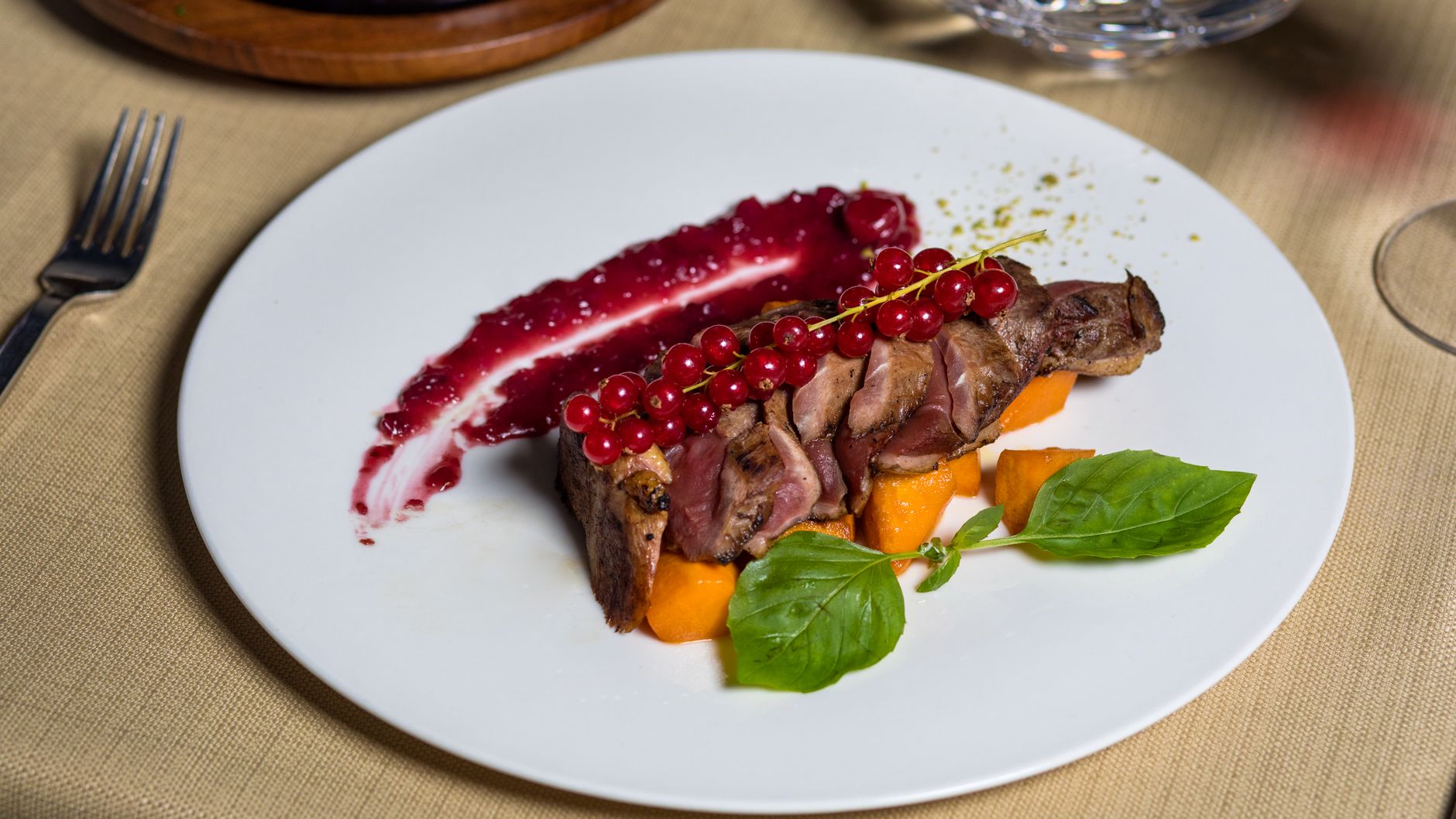
When it comes to classifying meats, there can sometimes be confusion about what exactly defines white or dark meat. Duck, a popular game bird, often sparks debate regarding its classification. Understanding whether duck qualifies as white meat is not just a matter of culinary terminology; it impacts how you cook it and what dishes you can create.
This article delves into the intricacies of duck meat, addressing its classification, culinary uses, optimal cooking methods, and serving ideas. Whether you’re a seasoned cook or a curious foodie, you’ll find valuable insights here.
Is Duck White Meat?
Duck is generally classified as dark meat, primarily due to its muscle composition and fat content. Unlike chicken and turkey, where the breast meat is classified as white, duck’s breast is richer in myoglobin, which gives the meat a darker hue. Depending on how it’s prepared, however, duck can present a range of textures and flavors that can mimic some characteristics of white meat.
Understanding Meat Classification
To grasp why duck is considered dark meat, it’s essential to understand the difference between white and dark meat. The classification stems from the muscle fiber types present in the meat:
- White Meat: Typically found in poultry like chicken and turkey, white meat contains less myoglobin. It is generally leaner and has a milder flavor.
- Dark Meat: Found in duck, goose, and certain cuts of chicken (e.g., thighs and legs), dark meat has higher myoglobin content, leading to richer flavors and more fat, resulting in tenderness.
Myoglobin is a protein that holds oxygen in muscle tissues. Dark meat is often used more during regular activity, leading to increased levels of myoglobin compared to white meat, which comes from less active muscles.
The Culinary Profile of Duck
Duck meat offers a unique flavor profile that distinguishes it from other poultry. Its richness and complexity make it a favorite among gourmet cooks and food enthusiasts. Let’s break down its characteristics:
Flavor
Duck has a distinct, slightly gamey taste, enhanced by its higher fat content. When cooked properly, duck offers a savory sweetness that is not found in many other poultry types.
Texture
Duck is generally more tender than chicken or turkey, especially the breast meat. The fat content contributes to juiciness, while the skin, when crisped, provides a satisfying crunch.
Culinary Uses for Duck
Duck meat can be used in various cuisines around the world. Here are some popular culinary applications:
- Roasting: Whole roasted duck is a classic dish in many cultures, often served with fruit-based sauces.
- Confiting: Duck legs are often cooked slowly in their fat until tender, then served with vegetables or in salads.
- Grilling: Duck breast is commonly grilled or pan-seared, allowing the fat to render out while creating a crispy skin.
- Soups and Stews: Duck can add depth to broths and stews, often combined with aromatic vegetables and herbs.
Cooking Techniques for Duck
Cooking duck properly ensures that you fully appreciate its flavors and textures. Here are a few popular methods, along with tips for each technique:
Roasting Duck
- Preheat your oven to 350°F (175°C).
- Prepare the duck by cleaning and trimming excess fat. Score the skin to help render fat.
- Season the cavity and skin generously with salt and pepper, and add herbs if desired.
- Place the duck breast side up on a roasting rack. Roast for about 1.5 to 2 hours, or until the juices run clear and the internal temperature reaches 165°F (74°C).
- Let it rest for at least 15 minutes before carving.
Roasting helps develop a crispy skin while keeping the meat juicy. Baste occasionally with rendered fat for added flavor.
Pan-Seared Duck Breast
- Score the skin of the duck breast in a crosshatch pattern.
- Season the meat with salt and pepper.
- Place the duck breast skin-side down in a cold skillet. Heat over medium heat to slowly render the fat.
- After 6-8 minutes, the skin should be crispy and golden. Flip and cook for an additional 3-5 minutes.
- Remove from the pan and let rest before slicing against the grain.
This technique allows for maximum flavor and a delightful texture, ensuring a perfect balance of crispy skin and tender meat.
Duck Confit
- Salt the duck legs overnight in the refrigerator with salt, herbs, and spices.
- Rinse and pat dry the legs. Submerge in duck fat in a heavy pot.
- Cook on the stovetop or in a low oven (around 225°F or 107°C) for 2-3 hours until the meat is tender.
- Store in the fat in the refrigerator for up to several months.
Creating duck confit brings out the rich flavors and provides versatile meat for salads, sandwiches, or served on its own.
Serving Ideas for Duck
The way you serve duck can elevate your meal to a whole new level. Here are some delicious suggestions:
- With Fruit Sauces: Duck pairs exceptionally well with fruit sauces, such as cherry, orange, or plum. The sweetness complements the richness of the meat.
- On Salads: Use leftover duck confit in a salad with mixed greens, nuts, and a tangy vinaigrette for a gourmet touch.
- In Tacos: Shred cooked duck and use in tacos with fresh vegetables and salsas for a unique spin on traditional flavors.
- With Grains: Serve duck alongside farro, quinoa, or rice pilaf to balance the richness with a hearty side.
Storing and Reheating Duck
Proper storage of duck is crucial for maintaining its quality. Whether cooked or raw, follow these guidelines:
Raw Duck
- Store uncooked duck in the coldest part of the fridge and use it within 1-2 days. If not using promptly, it can be frozen for several months.
Cooked Duck
- Allow cooked duck to cool before storing it in an airtight container in the refrigerator. Use within 3-4 days.
- For longer storage, duck can be frozen, preferably in slices with a little bit of rendered fat to maintain moisture.
Reheating Duck
- The best way to reheat duck is in the oven. Preheat the oven to 350°F (175°C) and place the duck on a baking tray covered with foil for about 15-20 minutes until warmed through.
- For pan-seared duck breast, a quick reheat in a hot pan will help retain the crispiness of the skin.
Common Mistakes When Cooking Duck
Cooking duck can be a rewarding experience, but it does come with its challenges. Here are some mistakes to watch for:
- Overcooking: Duck breast is best when cooked medium-rare to medium to retain its tenderness. Overcooking can lead to dry, tough meat.
- Failing to Render Fat: Starting in a cold pan allows the fat to render slowly and produce crispy skin.
- Not Letting Rest: Allowing duck to rest after cooking is crucial for juiciness.
Practical Variations and Substitutions
If you want to explore different options with duck, consider the following substitutions:
- Substituting Duck for Other Poultry: While duck has a unique flavor, you can use chicken or turkey if your dish requires poultry with a lighter flavor.
- Changing Cooking Methods: If a recipe calls for roasted duck, braising or grilling can provide different textures and flavors that may be more appealing.
Be aware that these substitutes may require adjustments in cooking times and seasonings to achieve a comparable result.
Final Thoughts
Duck is a versatile and flavorful protein that can elevate a variety of dishes. Although it is classified predominantly as dark meat, with its unique culinary characteristics, there is much more to explore beyond simple classifications. By understanding how to cook and serve duck properly, you can incorporate this rich meat into your culinary repertoire, creating dishes that impress and satisfy.
As you continue honing your cooking skills, delve into related areas by exploring more ingredients, cooking techniques, and tips to expand your knowledge. Whether you’re looking to understand more about poultry, experiment with different meats, or master the art of roasting, the journey in the culinary world is endless.
Discover more about cooking with unique ingredients, or learn how to elevate your meals with practical cooking techniques by revisiting various food guides tailored for home cooks.