
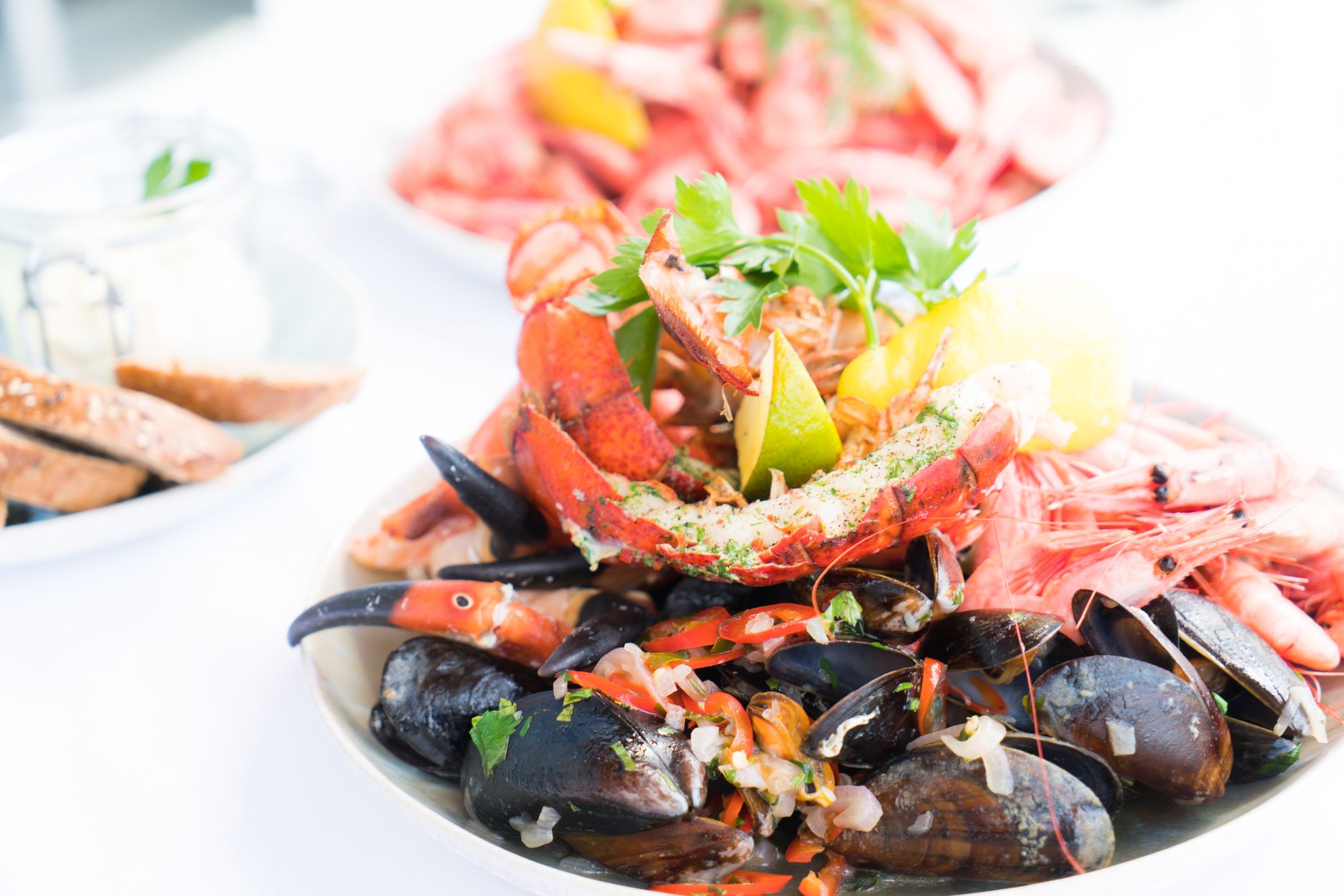
Calabash seafood refers to a distinctive style of seafood preparation that has its roots in the coastal towns of North Carolina, particularly in the Calabash area. This cooking style celebrates the use of fresh catch, usually fried, and served in a casual dining experience. The term “Calabash” has transcended its geographic origins to represent a way of enjoying seafood that is both delicious and deeply rooted in local tradition.
In this article, we’ll explore the history and origins of Calabash seafood, the traditional methods involved, and how you can incorporate this delightful cooking style into your own kitchen. Whether you’re a seafood lover or just curious about this unique culinary tradition, you’ll find practical tips and insights to enhance your cooking experience.
What Does Calabash Seafood Mean?
Calabash seafood is characterized primarily by its method of preparation and serving style. Traditionally, seafood such as shrimp, fish, and oysters are lightly battered and deep-fried until golden brown and crispy. This style is typically casual, with seafood often served alongside side dishes like coleslaw and hushpuppies. The name “Calabash” comes from the local fishing community and its traditional use of abundant, freshly caught seafood.
The History and Origins of Calabash Seafood
The Calabash seafood style began taking shape in the 1930s and 1940s when local fishermen and their families started serving their catch at roadside stands and small eateries. The town of Calabash, situated near the Atlantic Ocean, offered rich access to fresh seafood, which helped it to quickly become known as the “Seafood Capital of the World.” Boats would bring fish, shrimp, and crab to land, where families would prepare meals steeped in Southern tradition.
Over the years, as tourism grew in the region, more businesses began catering to visitors eager to try this local delicacy. The informal dining environment often included outdoor seating, where customers could enjoy their meals while taking in the coastal breeze. Today, countless restaurants and eateries across the United States claim to offer “Calabash-style” seafood, which has helped to popularize this cooking method beyond North Carolina.
Cooking Techniques and Ingredients
Calabash seafood primarily employs frying as the cooking method, but understanding the nuances involved can help you elevate your culinary game. Here we discuss the essential ingredients, equipment, and techniques that characterize authentic Calabash seafood.
Essential Ingredients
- Fresh seafood: Shrimp, fish (like flounder or catfish), mussels, and clams are common.
- Batter: A mixture often comprised of cornmeal and flour, sometimes seasoned with spices.
- Oil: Peanut oil or vegetable oil is typically used for frying due to their high smoke points.
- Seasonings: Salt, pepper, paprika, garlic powder, and other spices to enhance flavor.
- Accompaniments: Coleslaw, hushpuppies, and tartar sauce are traditional side dishes.
Recommended Equipment
- Deep fryer or large, heavy-bottomed pot for frying.
- Slotted spoon or spider tool for removing fried seafood.
- Wire rack or paper towels for draining excess oil.
- Mixing bowls for batter preparation.
- Thermometer to monitor oil temperature.
Cooking Techniques
- Preparing the Seafood: Clean and gently pat your seafood dry with paper towels to remove excess moisture, which can lead to splattering during frying.
- Making the Batter: In a bowl, combine flour and cornmeal with your desired seasonings. Adjust the ratios to achieve a light, crisp batter. A common ratio is about 1 part flour to 2 parts cornmeal.
- Heating the Oil: Fill your deep fryer or pot with enough oil to fully submerge the seafood. Heat the oil to approximately 350-375°F (175-190°C).
- Battering the Seafood: Dip your seafood into the batter, ensuring it’s evenly coated. Allow any excess batter to drip off before frying.
- Frying: Gently place the battered seafood into the hot oil in small batches. This helps maintain the oil temperature. Fry until golden brown, which usually takes about 3-5 minutes.
- Draining: Use a slotted spoon or spider tool to remove the seafood and transfer it to a wire rack or paper towels to drain excess oil.
Variations of Calabash Seafood
While traditional Calabash seafood is consistently delicious, you can customize it by trying different seafood or seasonings. Here are a few common variations:
Seafood Options
- Catfish: A Southern staple, catfish offers a mild flavor that pairs beautifully with a spicy batter.
- Oysters: Lightly battered and fried oysters provide a briny contrast that seafood lovers enjoy.
- Soft-Shell Crabs: These crabs are seasonal delights that can be fried whole for a crispy treat.
Seasoning Variations
- Spicy Batter: Add cayenne pepper or hot sauce to the batter for an extra kick.
- Cajun Seasoning: For a Southern twist, incorporate Cajun spices to give your seafood a unique spin.
- Herbs and Citrus: Adding lemon zest or fresh herbs can brighten the flavors of your dish.
Common Mistakes and Troubleshooting
Even seasoned cooks may encounter challenges when preparing Calabash seafood. Here are some common mistakes and tips on how to avoid them:
- Temperature Control: Ensure the oil is at the right temperature before frying. If it’s too hot, the seafood will burn; too cool, and it will become greasy. A thermometer is a helpful tool here.
- Overcrowding the Pot: Fry in small batches to maintain an even cooking temperature. Overcrowding can lead to unevenly cooked seafood.
- Inconsistent Batter Coating: Make sure the seafood is well-coated in the batter. A thin coating won’t yield the desired crispness, while too thick a layer can be doughy.
Serving Suggestions
Once you’ve successfully prepared Calabash seafood, it’s all about the presentation and accompaniments. Here are some serving suggestions to enhance your meal:
- Serving on Platters: Present your seafood on a large platter garnished with lemon wedges and fresh herbs.
- Side Dishes: Classic accompaniments include coleslaw for crunch, hushpuppies for a Southern touch, and baked beans for a heartier meal.
- Condiments: Pair your dish with homemade tartar sauce or cocktail sauce for dipping.
Storage and Reheating
If you have leftovers, keeping your Calabash seafood fresh requires careful storage:
- Storage: Store leftover fried seafood in an airtight container in the refrigerator. It can typically last for 2-3 days.
- Reheating: To regain the crispy texture, reheat in an oven at 375°F (190°C) for about 10-15 minutes, depending on thickness.
Final Thoughts
Calabash seafood represents a delightful fusion of Southern culture and coastal cuisine. It offers an inviting way to enjoy fresh seafood that captures the essence of community dining. By understanding its history, mastering the technique, and applying the tips outlined in this article, you can bring the taste of Calabash seafood into your home kitchen.
As you explore this culinary style, consider trying out different seafood varieties and creative seasonings to find your perfect combination. Whether you’re preparing a family gathering or enjoying a quiet evening at home, Calabash seafood is a flavorful way to celebrate a rich culinary tradition.
For more seafood inspiration, check out our Conch Salad Recipe or try the Shrimp Egg Roll Recipe for exciting variations on seafood dishes!