
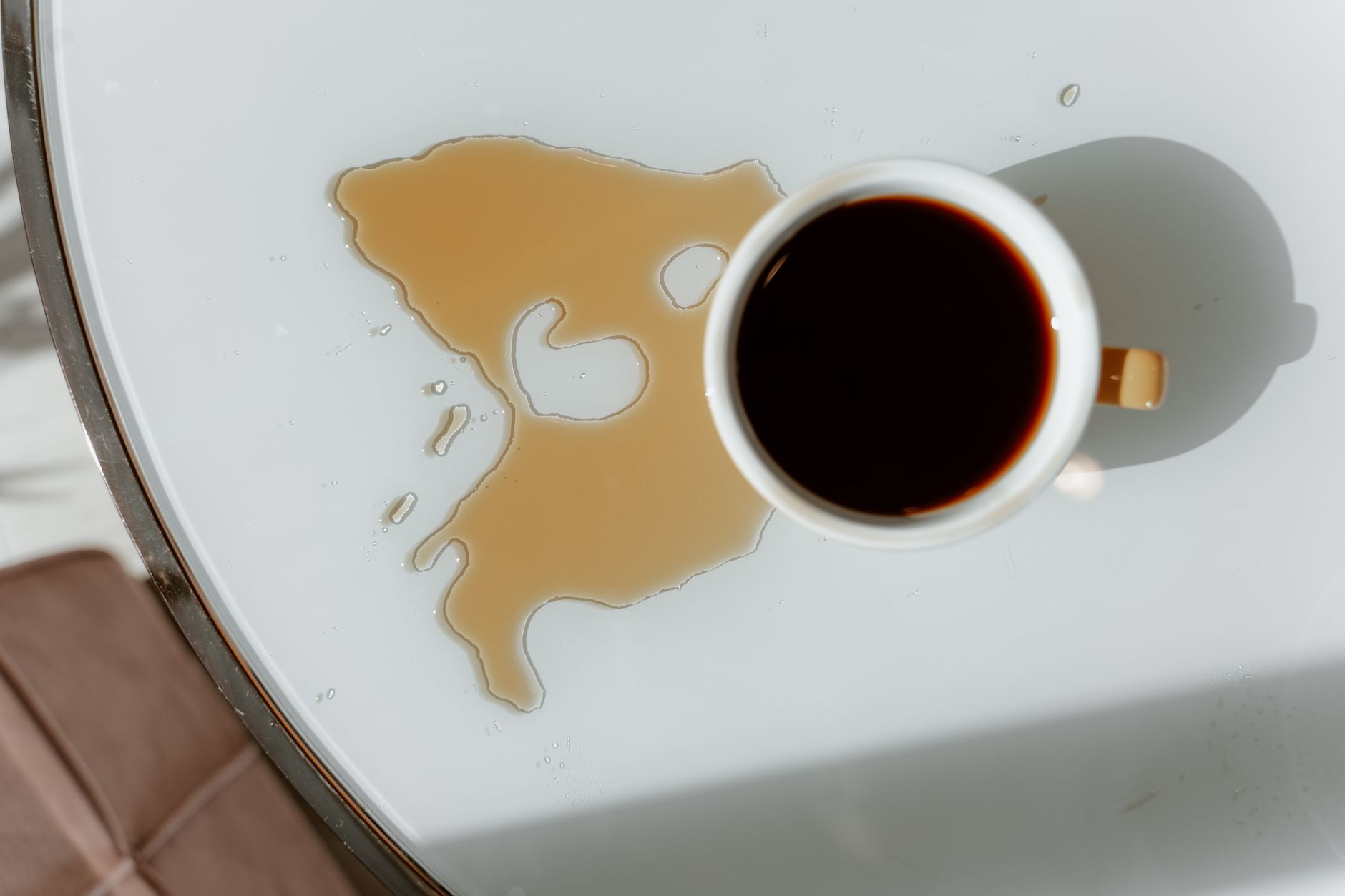
Coffee is a beloved beverage, cherished by many for its rich flavor and invigorating effects. However, a common question arises: can you drink coffee that’s been sitting out? This guide examines the safety, quality, and best practices surrounding brewed coffee left unattended.
Coffee, whether it’s freshly brewed or left on the counter, undergoes changes over time. Knowing what happens as it sits and how to manage leftover coffee can help you make informed decisions about consumption, minimizing waste and maximizing enjoyment.
Can You Drink Coffee That’s Been Sitting Out?
Drinking coffee that’s been sitting out is generally safe within a certain time frame, but its flavor and quality degrade over time. If coffee has been left out for more than four hours, it is advisable to discard it for the best flavor and freshness.
Understanding Coffee Quality Degradation
When coffee is brewed, the extraction process releases aromatic compounds, oils, and flavors. Initially, the coffee is hot and flavorful, but several factors can affect its quality as it cools.
Flavor Changes
The most noticeable change in coffee that has been sitting out is the decline in flavor. Coffee contains oils that are volatile and can oxidize quickly when exposed to air. The result is a cup of coffee that may taste stale or bitter rather than bold and rich.
Temperature Effects
As coffee cools, its temperature impacts our perception of flavor. Warm coffee tends to enhance the aromas and pleasant notes, whereas cold coffee can mask them, making it less enjoyable to drink. Coffee left at room temperature may lose its warming effect, causing different compounds to be more pronounced.
Coffee Acidity and Bitterness
A brewed coffee that sits out can also become more acidic and bitter over time. This heightened acidity can cause discomfort for those with sensitive stomachs, which is another reason to be mindful of how long your coffee sits.
Food Safety Concerns
While brewed coffee is relatively low in risk concerning foodborne illness, there are still some points to consider regarding safety.
Timeframes for Sitting Out
The USDA recommends not leaving brewed coffee out for more than four hours. After this point, the potential for bacterial growth increases, and the flavor diminishes significantly.
Temperature Considerations
When coffee is brewed, it is typically served at temperatures above 200°F. At this high temperature, harmful bacteria are less likely to grow. However, as it cools down to room temperature, the safety window narrows, making it essential to consider the time elapsed since brewing.
Ways to Preserve Coffee Quality
If you often find yourself with leftover coffee, there are several methods you can employ to preserve its quality and extend its drinkable lifespan.
Refrigeration
One effective way to keep brewed coffee fresh is to refrigerate it if you know you won’t drink it within a few hours. While refrigerating brewed coffee will change its flavor profile, it can slow deterioration and extend its drinkability. Keep it in an airtight container to reduce oxidation.
Heating Up Leftover Coffee
If you decide to reheat coffee, do so gently to avoid further bitterness. Microwaving is a quick option, but it can also heat unevenly. A stovetop method allows for more control over heat distribution, keeping the flavors more intact.
Cold Brewing as an Alternative
If you find that you regularly have leftover iced coffee, consider brewing cold brew. Cold brew coffee is smoother and maintained in a chilled state for longer periods. This can help alleviate the common bitter taste associated with traditional brewed coffee left out.
Creative Uses for Old Coffee
Rather than simply discarding coffee that’s been sitting out, consider some creative ways to use it. Here are a few ideas:
Baking and Cooking
Old coffee can add depth to baked goods and savory dishes. Use it in recipes for:
- Cakes: Incorporate coffee into chocolate cake or brownies for added richness.
- Marinades: Enhance meats like beef or pork with a coffee-based marinade.
- Ice Cream: Use leftover coffee to make coffee-flavored ice cream or affogato.
Cold Coffee Drinks
Consider using room temperature coffee for blended drinks or frappes. Adding ice, cream, and sweeteners can transform leftover coffee into a refreshingly new beverage.
Homemade Coffee Scrubs
If you enjoy DIY beauty treatments, leftover coffee can act as an exfoliant for scrubs. Combine it with coconut oil and sugar for a homemade body scrub.
Conclusion
In summary, drinking coffee that’s been sitting out is generally safe for a few hours, but the flavor and quality diminish over time. To ensure the best taste and avoid waste, consider storing coffee in the fridge, reheating it gently, or using it in recipes.
For those who love coffee but often find it left untouched, exploring creative ways to repurpose leftover coffee can elevate your culinary experience. Experiment with baking or blending to enjoy the flavors in a new light.
For more delicious recipes and tips, explore our Protein Coffee Recipe or try making a Caramel Ribbon Crunch Frappuccino.