
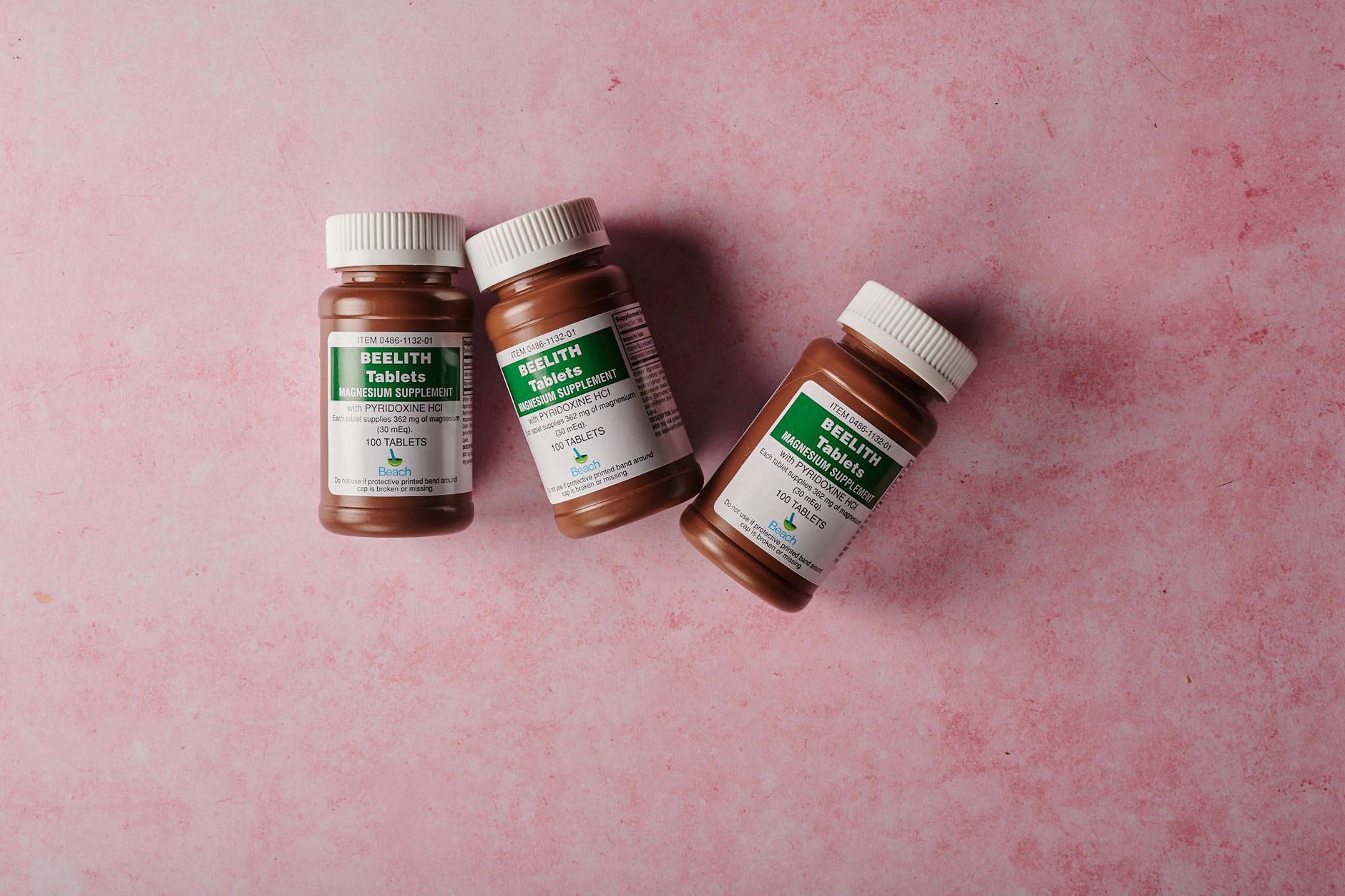
Prunes, the dried form of plums, are often celebrated for their health benefits, particularly when it comes to digestive health. A commonly asked question is whether prunes contain magnesium, an essential mineral plays a vital role in various bodily functions. Understanding prunes’ magnesium content can help you incorporate them wisely into your diet.
This article will explore prunes, their nutritional profile, including magnesium content, serving sizes, preparation suggestions, and practical ways to include them in meals. Let’s delve deeper!
Do Prunes Have Magnesium?
Yes, prunes do contain magnesium, though not in very high amounts compared to other magnesium-rich foods. A standard serving of prunes can provide a modest contribution to your daily magnesium intake.
Understanding Magnesium and Its Importance
Magnesium is a crucial mineral involved in over 300 enzymatic reactions in the body. It contributes to a range of functions, including:
- Bone health – magnesium helps in the formation and maintenance of bones.
- Muscle function – it plays a role in muscle contraction and relaxation.
- Nerve function – magnesium supports proper nerve signaling.
- Energy production – essential for converting food into energy.
- Blood pressure regulation – helps maintain normal blood pressure levels.
Adults generally require between 310 to 420 mg of magnesium daily, depending on age and sex. Incorporating magnesium-rich foods into your diet is essential to meet these daily needs.
Nutritional Profile of Prunes
Prunes are not just rich in magnesium; they offer a variety of nutrients beneficial for health. Below is an overview of the nutritional profile of a typical serving of 100 grams of prunes:
| Nutrient | Amount per 100g |
|---|---|
| Calories | 240 |
| Protein | 2.2 g |
| Carbohydrates | 64.0 g |
| Fiber | 7.1 g |
| Sugars | 38.0 g |
| Fat | 0.2 g |
| Iron | 0.9 mg |
| Calcium | 43 mg |
| Magnesium | 41 mg |
As noted, prunes provide about 41 mg of magnesium per 100 grams, which is approximately 10% of the daily recommended intake for most adults. In addition to magnesium, they are also an excellent source of dietary fiber, antioxidants, and naturally occurring sugars.
Serving Sizes and How to Incorporate Prunes Into Your Diet
Incorporating prunes into your diet doesn’t have to be complicated. Here are some practical serving suggestions:
Recommended Serving Size
A typical serving size of prunes is around 30 grams, equivalent to about 4 to 5 prunes. At this serving size, you can get approximately 12 mg of magnesium, along with other valuable nutrients.
Ways to Include Prunes in Your Meals
- Snacking: Enjoy prunes on their own as a healthy, sweet snack. Their natural sweetness can satisfy sugar cravings without added sugars.
- Baking: Incorporate prunes into baked goods such as muffins, breads, or granola bars for added moisture and sweetness.
- Salads: Add diced prunes to salads. They pair well with nuts, cheese, and various greens.
- Oatmeal: Stir chopped or whole prunes into your morning oatmeal for added flavor and nutrition.
- Sauces: Blend prunes into sauces or glazes for grilled meats or roasted vegetables for a sweet and savory balance.
Making Prune Juice
Prune juice is another way to enjoy the benefits of prunes. Here’s a simple guide to making your own prune juice:
Ingredients
- 1 cup prunes (about 150 grams)
- 4 cups water
Equipment
- Blender or food processor
- Fine mesh strainer or cheesecloth
- Container for storage
Instructions
- In a saucepan, combine prunes and water, and bring to a boil.
- Once boiling, reduce heat and simmer for about 10–15 minutes until the prunes soften.
- Transfer the mixture to a blender and blend until smooth.
- Strain the mixture through a fine mesh strainer or cheesecloth to separate the juice from the pulp.
- Store the juice in a sealed container in the refrigerator for up to a week.
Health Benefits of Prunes
Beyond magnesium, prunes offer numerous health benefits, making them a valuable addition to the diet:
- Digestive Health: High in fiber, prunes aid digestion and help prevent constipation thanks to their natural laxative effect.
- Heart Health: Consumption of prunes can improve heart health by lowering cholesterol levels and reducing the risk of cardiovascular diseases due to their high antioxidant content.
- Bone Health: The combination of nutrients in prunes, including magnesium and potassium, supports bone health and may help prevent osteoporosis.
- Weight Management: The fiber content helps create a feeling of fullness, which can assist in weight management by reducing overall calorie intake.
Potential Considerations When Consuming Prunes
While prunes offer many benefits, moderation is key. Overconsumption may lead to digestive discomfort due to their high fiber and sorbitol content. Here are some considerations:
- Caloric Content: Prunes are calorie-dense, which can contribute to weight gain if consumed excessively.
- Natural Sugars: Although naturally occurring, the sugars in prunes can affect blood sugar levels, so individuals with diabetes should monitor their intake.
- Allergies or Sensitivities: Some individuals may have sensitivities or allergies associated with dried fruits.
Common Substitutions for Prunes
If you’re looking to mix things up, consider these substitutions for prunes in recipes:
- Dried Apricots: These offer a sweeter and slightly tart flavor but have less fiber and a different nutrient profile.
- Dates: Dates are chewier and sweeter, making them a great substitute in desserts but higher in calories and sugar.
- Figs: Figs have a unique flavor and a similar texture to prunes; however, the taste will vary from that of dried plums.
Storing Prunes
Proper storage of prunes can help preserve their taste and nutritional quality. Follow these guidelines:
- Keep prunes in an airtight container in a cool, dry place, away from direct sunlight.
- They can also be refrigerated to extend their shelf life, maintaining freshness for several months.
- Always check for any signs of spoilage before consumption, such as off smells or discoloration.
Conclusion
Prunes are a nutritious fruit, rich in many essential vitamins and minerals, including magnesium. Incorporating them into your diet can enhance your overall health, and with a variety of uses, they can easily fit into meals, snacks, and desserts. Consider trying out different recipes and methods to enjoy this versatile fruit!
For related tips on healthy meal options, you might want to read about our chia pudding recipe or discover a delicious date nut bread recipe for added inspiration.