
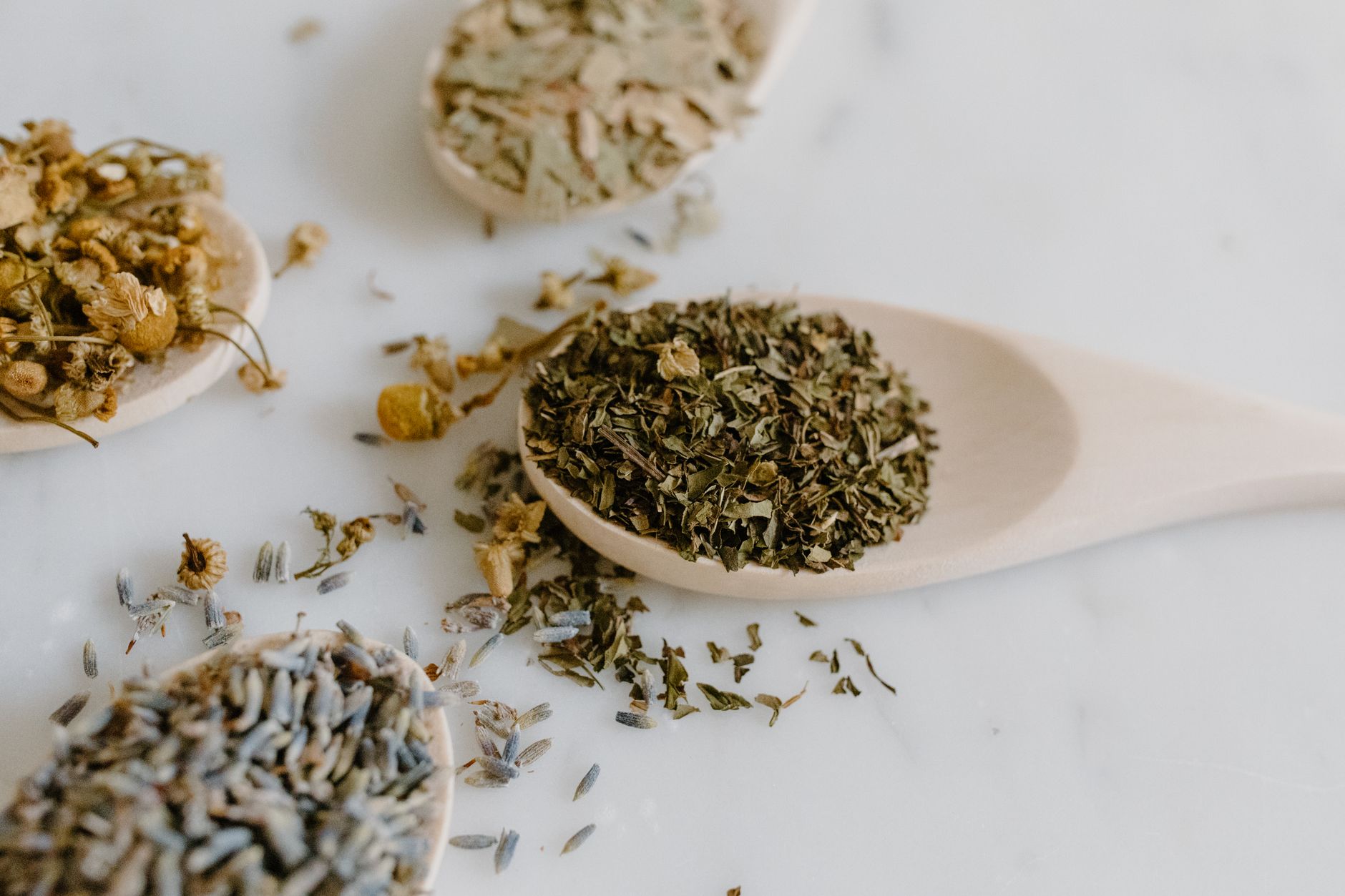
Herbal tea has gained significant popularity for its diverse flavors and perceived health benefits. Unlike traditional teas derived from the Camellia sinensis plant, herbal teas come from various herbs, flowers, spices, and fruits, making them naturally caffeine-free. With numerous varieties available, understanding what herbal tea is good for can enhance your tea-drinking experience.
From aiding digestion to promoting relaxation, herbal teas offer a wide range of potential benefits that cater to different needs. In this article, we’ll explore the various types of herbal teas, their uses, and how to incorporate them into your daily routine.
What Is Herbal Tea Good For?
Herbal tea is beneficial for various health aspects, including digestion, relaxation, and immune support. The diverse ingredients in herbal teas mean that they can address specific health concerns while providing hydration without caffeine. Various herbal teas can help soothe ailments, improve overall well-being, and even enhance the flavor of your meals.
Common Types of Herbal Tea and Their Benefits
1. Chamomile Tea
Chamomile tea is celebrated for its calming effects, making it ideal for promoting relaxation and sleep. Chamomile flowers contain antioxidants that may reduce inflammation and improve digestive health.
- Incorporates soothing properties for better sleep and relaxation.
- May aid in digestion, reducing bloating or discomfort.
- Potentially helps relieve anxiety and stress.
2. Peppermint Tea
Peppermint tea is known for its refreshing flavor and potential digestive benefits. The menthol in peppermint can help relieve symptoms of bloating and gas and may also alleviate headaches.
- Soothes symptoms of indigestion, making it a great post-meal drink.
- May help relieve headaches and migraines thanks to its cooling effect.
- Can provide a refreshing boost, especially when served cold.
3. Ginger Tea
Ginger tea is renowned for its warming properties, often used to combat nausea and support digestion. Ginger is known for containing gingerol, which possesses antiviral, anti-inflammatory, and antioxidant benefits.
- Effective in soothing nausea and vomiting, particularly during travel.
- May aid in digestion and relieve stomach upset.
- Potentially reduces inflammation in the body, promoting overall health.
4. Hibiscus Tea
Hibiscus tea, with its vibrant red color, is not only visually appealing but also offers potential heart health benefits. Rich in antioxidants, hibiscus may help lower blood pressure and cholesterol levels.
- May aid in lowering blood pressure when consumed regularly.
- Rich in antioxidants, supporting overall immune health.
- Can provide a tart and refreshing taste that serves as an excellent iced tea.
5. Echinacea Tea
Echinacea is often associated with immune support and is particularly popular during cold and flu season. This herbal tea may help stimulate the immune system and reduce the duration of illnesses.
- Supports immune function, potentially reducing the risk of colds.
- May decrease the duration and severity of cold symptoms.
- Can be found in blends that incorporate various other beneficial herbs.
Incorporating Herbal Tea into Your Daily Routine
Adding herbal tea to your routine can be a delightful way to improve your overall well-being. Here are some practical tips on how to enjoy herbal tea effectively:
1. Morning Ritual
Start your day with invigorating herbal tea blends that increase alertness without caffeine, such as ginger or peppermint tea. These teas can boost digestion and set a positive tone for the day ahead.
2. Midday Refreshment
Replace sugary afternoon snacks with a cup of herbal tea to recharge your energy. Try hibiscus or fruit-infused herbal teas to stay hydrated and curb your sweet cravings in a healthy way.
3. Evening Relaxation
End your day with calming herbal teas like chamomile or valerian root, which can help you unwind and prepare for a restful night. Consider brewing tea shortly before bedtime to allow the soothing qualities to set in.
How to Brew Herbal Tea
Making the perfect cup of herbal tea involves selecting the right leaves and brewing them correctly to extract the best flavors and benefits. Follow these simple steps:
Ingredients Needed:
- Herbal tea of choice (loose leaf or tea bag)
- Freshly boiled water
- Optional add-ins (honey, lemon, or mint)
Essential Equipment:
- Teapot or kettle
- Tea infuser (for loose leaf) or tea bag
- Cup or mug
Steps to Brew Herbal Tea:
- Boil water in a kettle or teapot and remove it from heat once it reaches a rolling boil.
- If using loose leaf tea, place 1-2 teaspoons of herbal tea into a tea infuser or directly into your teapot.
- Pour the hot water over the tea and let it steep for 5-10 minutes, depending on your flavor preference.
- Strain the tea if using loose leaves, or remove the tea bag.
- Add any optional ingredients, such as honey or lemon, to enhance the flavor.
- Enjoy your herbal tea warm or chilled!
Potential Risks and Considerations
While herbal teas offer many health benefits, it’s essential to be cautious, especially if you have specific health conditions or are pregnant. Some herbal teas can interact with medications or may not be suitable for everyone.
- Consult a healthcare professional before adding herbal tea to your regimen, particularly if you are pregnant, nursing, or taking medications.
- Be aware that certain herbs can cause allergic reactions in some people, such as chamomile if you are allergic to ragweed.
- Moderation is key; excessive amounts of certain herbal teas may lead to adverse effects.
Practical Tips for Choosing and Storing Herbal Tea
Choosing and storing herbal tea properly can maximize its flavor and effectiveness. Here are some practical tips:
Choosing Quality Herbal Tea
- Look for loose leaf teas or high-quality tea bags that list natural ingredients without additives.
- Consider organic options to avoid pesticides and chemicals.
- Smell the tea before purchasing; fragrant teas often indicate freshness.
Storing Herbal Tea
- Store herbal tea in an airtight container to keep it fresh and flavorful.
- Keep the container in a cool, dark place away from heat and moisture.
- Avoid leaving tea in direct sunlight or near strong-smelling foods that may impart their scent.
Combining Herbal Teas with Food
Herbal teas can enhance meals and snacks in delightful ways. Here are some pairing suggestions:
1. Chamomile Tea and Light Salads
The gentle sweetness of chamomile pairs well with light salads featuring fruits, nuts, and mild dressings.
2. Peppermint Tea with Chocolaty Desserts
The refreshing taste of peppermint is an excellent match for chocolate-based desserts, like brownies or mochas.
3. Ginger Tea with Asian Cuisine
The warming quality of ginger tea complements many Asian dishes, including stir-fries and sushi.
4. Hibiscus Tea with Spicy Dishes
The tartness of hibiscus tea offers a refreshing contrast to spicy foods, such as curries or spicy tacos.
Exploring Creative Herbal Tea Blends
If you’re adventurous, consider creating your own herbal tea blends at home. Here are some ideas to get started:
1. Relaxation Blend
- Chamomile
- Lavender
- Licorice root (for sweetness)
2. Digestive Blend
- Peppermint
- Ginger
- Fennel seeds
3. Immune Support Blend
- Echinacea
- Rose hips
- Hibiscus
Nutritional Aspect of Herbal Teas
While herbal teas themselves are low-calorie and provide hydration, specific herbs may offer additional nutrients. Here’s a brief overview:
- Echinacea: Contains antioxidants and can help support immune function.
- Ginger: Known for its anti-inflammatory properties, can aid digestion and support cardiovascular health.
- Chamomile: May provide mild antioxidants that promote overall health.
Conclusion
Herbal teas are versatile beverages that provide comfort, potential health benefits, and numerous flavors to explore. Incorporating these teas into your daily routine can enhance your wellness while offering a delightful drinking experience. Whether you enjoy them hot or cold, the right herbal tea can cater to your cravings and health needs.
Feel encouraged to explore herbal teas beyond the ones mentioned here, and discover new favorites while enjoying their unique flavors and potential benefits. For more insights, check out our guides on saffron’s taste or spearmint tea’s benefits.