
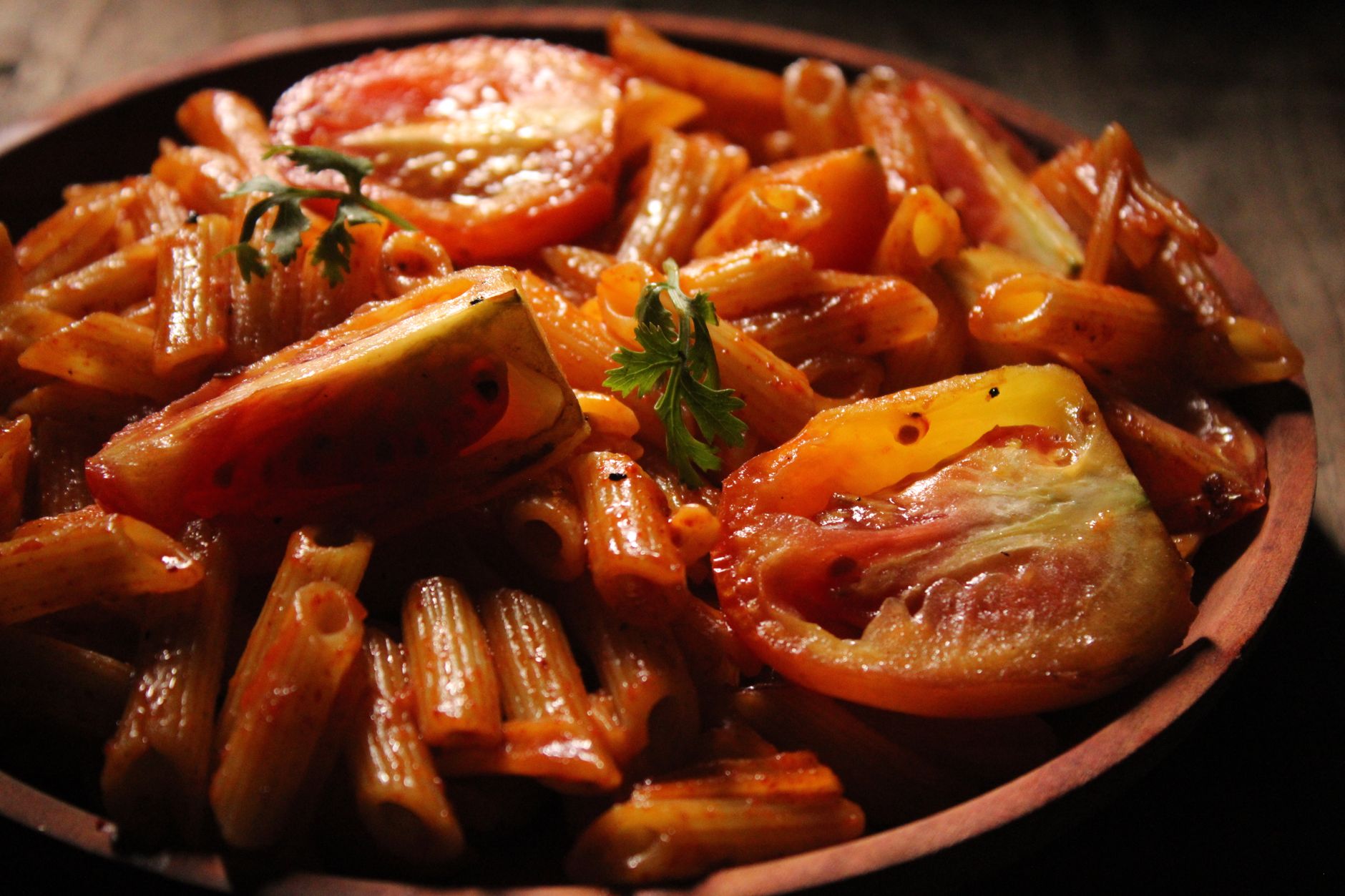
When it comes to Italian cuisine, the terminology used in the kitchen can often lead to confusion, especially regarding the words “sauce” and “gravy.” Many people wonder, do Italians call sauce gravy? The answer delves deep into regional differences, cultural nuances, and the culinary traditions of Italy and Italian-American cuisine.
This exploration will clarify the distinctions between sauce and gravy, the various forms of sauce used in Italian cooking, and their respective roles in Italian-American culture. Join us as we dissect these culinary terms and their significance.
Do Italians Call Sauce Gravy?
Typically, Italians do not use the term “gravy” to refer to what many would consider sauce. In traditional Italian cooking, “sauce” (or ‘sugo’) is used to describe the various preparations for pasta dishes, while “gravy” refers specifically to meat-based sauces, often enriched with fat and drippings. This distinction varies significantly between Italian culture and Italian-American culinary contexts.
The Origins of Terminology
The use of “gravy” to describe a tomato-based sauce emerged predominantly within Italian-American communities during the early 20th century. Many Italian immigrants brought their food traditions to the United States, leading to the evolution of their original recipes due to available ingredients and cultural influences. As a result, a “gravy” became an umbrella term for rich, tomato-laden sauces that accompanied pasta or meat dishes.
In Italy, however, the term ‘sugo’ encompasses a broad range of sauces, from simple olive oil and garlic to more elaborate variations incorporating meats, vegetables, and herbs. This difference prompts the question: how do these sauces complement Italian meals?
The Different Types of Italian Sauces
Italian cuisine is undoubtedly rich and varied, featuring numerous sauces that highlight the diverse regional landscapes and traditions. Here are some of the most popular types of Italian sauces:
- Sugo di Pomodoro: A classic tomato sauce made from ripe tomatoes, garlic, olive oil, and basil. It serves as a base for many pasta dishes.
- Pesto: Originating from Genoa, this cold sauce is made from basil, garlic, pine nuts, Parmesan cheese, and olive oil, making it ideal for pasta and sandwiches.
- Ragù: A meat-based sauce that varies regionally, it can include ground meats, vegetables, and, in some cases, tomatoes. The famous Bolognese is a type of ragù.
- Salsa Verde: A versatile green sauce made from herbs, capers, anchovies, and olive oil, typically served with boiled meats or fish.
- Aglio e Olio: A simple sauce made of sautéed garlic in olive oil, often enhanced with chili peppers and parsley, perfect for a quick pasta dish.
Understanding “Gravy” in Italian-American Cuisine
When it comes to Italian-American cuisine, “gravy” tends to carry its unique and specific connotation. While it can refer to a meat sauce, often rich and heavier than the traditional Italian sauces, its cultural roots trace back to the adaptations of Italian cooking in America.
Italian immigrants adapted their recipes to reflect the ingredients and tastes available to them in the New World. As a result, their “gravy” became a signature element of comfort foods in many households, used generously on pasta, meatballs, and more. For many Italian-Americans, a Sunday gravy could mean an elaborate family meal rich with flavor and tradition.
Popular Italian-American “Gravy” Recipes
Italian-American cooking features various “gravy” recipes that honor traditional Italian roots while introducing hearty elements that appeal to broader American tastes. Here are two popular recipes that highlight this Italian-American adaptation:
Meat Sauce Recipe
This meat sauce, often referred to as “gravy,” is perfect for Sunday dinners or gatherings with family. It combines ground meats, tomatoes, and aromatic ingredients for a rich and flavorful dish.
Yield:
- Servings: 6-8
- Preparation Time: 15 minutes
- Cooking Time: 1 hour
- Total Time: 1 hour 15 minutes
Ingredients:
- 1 lb ground beef
- 1/2 lb ground pork
- 1 medium onion, diced
- 2 cloves garlic, minced
- 1 can (28 oz) crushed tomatoes
- 1 can (6 oz) tomato paste
- 2 tbsp olive oil
- 1 tsp dried oregano
- 1 tsp dried basil
- Salt and pepper to taste
- Parmesan cheese for serving
Equipment:
- Large skillet or saucepan
- Wooden spoon
- Measuring cups and spoons
Method:
- In a large skillet, heat olive oil over medium heat. Add diced onions and cook until translucent, about 5 minutes.
- Add minced garlic and cook for an additional minute until fragrant.
- Add the ground beef and pork to the skillet. Cook, breaking up the meat with a wooden spoon, until browned, about 10 minutes.
- Stir in the crushed tomatoes, tomato paste, oregano, basil, salt, and pepper. Bring to a simmer.
- Reduce the heat to low and cover. Allow the sauce to simmer for 45 minutes, stirring occasionally.
- Serve over your favorite pasta and sprinkle with Parmesan cheese.
Spaghetti Sauce Recipe (No Meat)
This simple spaghetti sauce is a great alternative for a lighter meal while still delivering on flavor. It embraces the rich characteristics of Italian sauces with a tomato base.
Yield:
- Servings: 4
- Preparation Time: 10 minutes
- Cooking Time: 30 minutes
- Total Time: 40 minutes
Ingredients:
- 1 can (28 oz) crushed tomatoes
- 1 medium onion, diced
- 2 cloves garlic, minced
- 2 tbsp olive oil
- 1 tsp dried oregano
- 1 tsp dried basil
- Salt and pepper to taste
- Fresh basil for garnish
- Parmesan cheese for serving (optional)
Equipment:
- Large saucepan
- Wooden spoon
- Measuring cups and spoons
Method:
- In a large saucepan, heat olive oil over medium heat. Add diced onions and sauté until they become soft and translucent, about 5 minutes.
- Add minced garlic and sauté for another minute.
- Stir in the crushed tomatoes, oregano, basil, salt, and pepper. Bring to a low simmer.
- Reduce heat to low, cover, and let the sauce cook for about 20 minutes, stirring occasionally.
- Serve the sauce over cooked spaghetti and garnish with fresh basil and Parmesan cheese, if desired.
Common Mistakes to Avoid When Making Sauce or Gravy
When preparing sauce or gravy, it’s essential to avoid common pitfalls that can detract from the final product. Here are some tips to ensure a great sauce every time:
- Rushing the Cooking Process: Allow sauces to simmer to develop flavors fully. The longer, the better, often leading to a richer taste.
- Using Low-Quality Ingredients: Always choose high-quality tomatoes, olive oil, and fresh herbs when making sauces. They significantly affect the flavor.
- Over-Seasoning: Taste your sauce as you go. Start with less salt and build up to your desired flavor for a balanced dish.
- Neglecting to Stir: Sauces can stick to the bottom of the pan and burn if not stirred occasionally. Keep an eye on your sauce while it cooks.
- Skipping the Fresh Herbs: While dried herbs are convenient, fresh herbs can elevate your dish with vibrant flavors, so use them when possible.
Serving Suggestions and Variations
Italian sauces, whether referred to as sauce or gravy, are intensely versatile and can be paired with various dishes. Here are some serving suggestions:
- Pasta: Serve your sauce or gravy over classic pasta varieties, including spaghetti, penne, or fusilli. Add meatballs or sausage for a hearty meal.
- Lasagna: Use your meat sauce as the filling for lasagna alongside layers of cheese.
- Pizza: Use tomato sauce as a base for homemade pizza, adding your favorite toppings.
- Sandwiches: Serve meatballs in sauce on hoagie rolls for a delicious meatball sub.
- Polenta: A rich sauce or gravy pairs beautifully with creamy polenta for a comforting dish.
Storage and Reheating Guidance
Proper storage and reheating are fundamental to maintaining the quality of your sauce or gravy. Here are some guidelines:
- Storage: Allow the sauce to cool completely before transferring it to an airtight container. Store in the refrigerator for up to four days or freeze for up to three months.
- Reheating: To reheat, thaw frozen sauce in the refrigerator overnight. Reheat on the stovetop over medium heat, stirring occasionally until warmed through. You can also use a microwave in intervals, stirring between each.
Conclusion
The distinction between sauce and gravy offers insight into the rich culinary traditions of Italy and Italian-American cuisine. As food evolves through cultural exchange, so do terms and definitions, leading to delightful interpretations of classic dishes. Understanding the nuances not only enriches your cooking repertoire but also enhances your appreciation of these beloved dishes.
For delicious meat sauce recipes, check out our meat sauce recipe. If you prefer a tasty vegetarian option, try our spaghetti sauce recipe without meat. Enjoy exploring the diverse world of Italian sauces and gravies!