
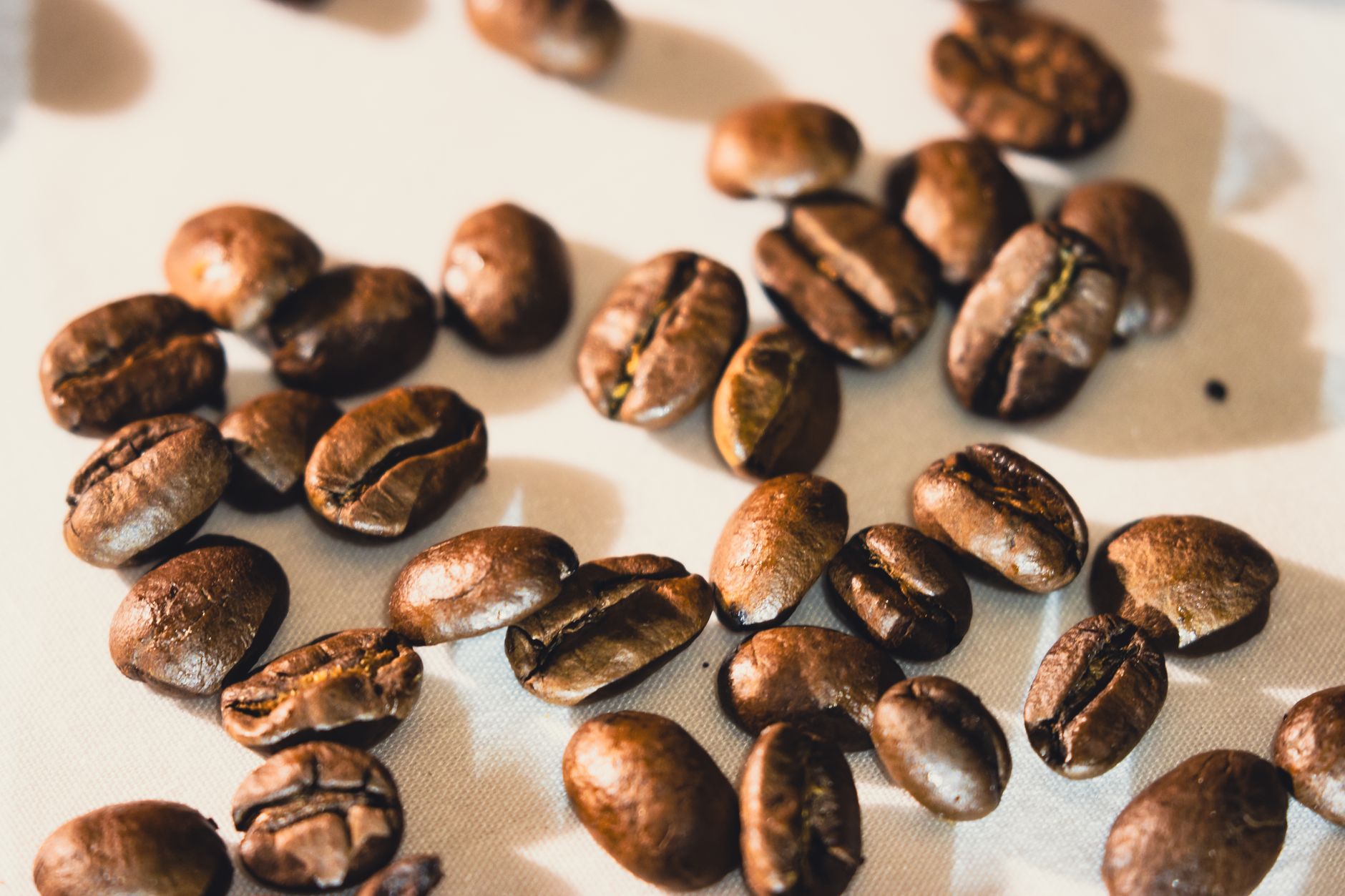
Coffee is a beloved beverage enjoyed by many around the world, appreciated for its rich flavors and stimulating effects. An intriguing fact about certain high-end coffees is that they undergo a unique process involving animals. Specifically, the production of kopi luwak, also known as civet coffee, includes beans that are digested by civets. This article explores the fascinating relationship between civets and coffee beans, delves into how this process works, and discusses the implications for coffee lovers.
Understanding what animal poops coffee beans not only enriches our knowledge of coffee production but also raises questions about sustainability and ethical sourcing. This guide will provide insights into the lifecycle of kopi luwak, from animal behavior to the final brewed product.
What Animal Poops Coffee Beans?
The short answer to the question is the civet, a small mammal found in various parts of the world, particularly Southeast Asia. Civets consume coffee cherries, and during their digestion, the beans undergo a fermentation process that is said to enhance their flavor profile. Once the beans are excreted, they are collected, cleaned, and processed to create one of the most expensive coffees in the world.
Understanding Civet Coffee: The Process
The production of kopi luwak involves several steps, each contributing to its unique character. Here’s an overview of how this unusual coffee is made:
The Role of the Civet
Civets are nocturnal creatures that climb trees to forage for ripe coffee cherries. Their selectivity plays an essential role in the quality of the beans. They tend to choose only the ripest cherries, which contributes to the final flavor of the coffee. Once ingested, the cherries pass through the civet’s digestive system, where enzymes interact with the beans, leading to a fermentation process.
Fermentation and Excretion
During digestion, the beans are subjected to various enzymes that alter their chemical structure. This natural fermentation is believed to reduce some of the bitterness typically associated with coffee, resulting in a smoother, more complex flavor. After the beans are excreted, they are collected from the civet’s droppings, thoroughly cleaned, and prepared for roasting.
Processing the Beans
Once harvested, the beans must be washed meticulously to remove any lingering impurities or odors. They are then dried and roasted. The roasting temperature and duration can also affect the final flavor, typically yielding a rich, aromatic coffee with unique tasting notes that can vary from batch to batch.
The Taste of Kopi Luwak
Coffee enthusiasts often describe kopi luwak as having a smooth and rich flavor with hints of chocolate, caramel, and various earthy or fruity notes. The fermentation process is pivotal in reducing acidity, making it potentially more palatable for individuals sensitive to traditional coffee’s bite. However, taste is subjective, and not everyone may agree on its merits.
The Ethics of Civet Coffee
While kopi luwak might intrigue coffee drinkers, ethical concerns surround its production. Many coffee lovers are mindful of the welfare of the civets involved.
Civet Farming vs. Wild Harvesting
Some producers keep civets in captivity to ensure a consistent supply of coffee, which has sparked concerns about animal welfare. These confined animals may not have access to a natural diet, leading to health issues. The ideal scenario is sustainable harvesting from wild civets, but this can be challenging to manage and requires more intensive resource allocation.
Choosing Ethical Sources
Consumers interested in trying kopi luwak should seek out brands that emphasize ethical sourcing and animal welfare. Various certifications and labels indicate responsible practices, helping to ensure that the coffee is produced without cruelty to civets.
How to Brew Kopi Luwak
If you manage to get your hands on some authentic kopi luwak beans, brewing them properly is essential to appreciate their unique characteristics. Here’s a simple guide on how to make the most of your civet coffee:
- Equipment Needed:
- Coffee grinder
- Coffee maker (French press, pour-over, or drip)
- Hot water (about 200°F or 93°C)
- Coffee mug or cup
- Measuring the Coffee: Measure about 0.5 to 1 ounce (15 to 30 grams) of whole beans per 8 ounces (240 ml) of water, depending on your taste preference.
- Grinding the Beans: Grind the beans to a medium-coarse consistency, similar to granulated sugar.
- Brewing:
- Place the ground coffee in the coffee maker.
- Pour hot water over the coffee grounds evenly.
- Allow the coffee to steep for 4 to 5 minutes.
- If using a French press, press the plunger down slowly to separate the grounds from the brew.
- Finally, pour the coffee into your mug or cup.
What to Pair with Kopi Luwak
Kopi luwak’s rich, complex flavor profile makes it versatile for food pairings. Here are some suggestions:
- Breakfast Foods:
- Pastries, such as croissants or danishes
- Pancakes with maple syrup
- Scrambled eggs or an omelet
- Snacks:
- Nuts, especially roasted almonds or cashews
- Dark chocolate or chocolate-based desserts
- Cheese plates with a variety of cheeses
Common Mistakes to Avoid
When brewing or exploring kopi luwak, it’s essential to avoid these common pitfalls:
- Using too hot water can lead to over-extraction and bitterness. Aim for a temperature just below boiling.
- Grind size is crucial; too fine can cause a bitter taste, while too coarse might lead to a watery brew.
- Neglecting the steeping time can affect flavor strength. Follow recommended steep durations based on your brewing method.
Storage Tips for Kopi Luwak
Like all coffee beans, proper storage ensures the best flavor and freshness. Follow these guidelines:
- Keep It Air-Tight: Store beans in an airtight container to prevent oxidation.
- Avoid Light: Keep the container in a dark place to shield from UV rays.
- Temperature: A cool, dry environment is best. Avoid storing in the refrigerator, as moisture can harm the beans.
Variations and Alternatives
While kopi luwak is unique, you might be interested in exploring other specialty coffees:
- Black Ivory Coffee: Made using Thai elephants, this coffee undergoes a similar digestive process to kopi luwak.
- Geisha Coffee: Known for its floral aroma and fruity notes, geisha coffee is another high-quality alternative, sourced primarily from Panama.
- Specialty Arabica Blends: Consider exploring various Arabica blends from different regions, each with its distinct flavor profile.
Final Thoughts on Kopi Luwak
Understanding what animal poops coffee beans allows you to appreciate the complexities involved in sourcing unique coffee varieties. While kopi luwak may not be for everyone, its story highlights the intersections of culture, nature, and culinary delight. By choosing ethically sourced variants, you can enjoy this specialty coffee while supporting sustainable practices.
Next time you sip a cup of kopi luwak, consider the fascinating journey it undertook from the civet’s diet to your mug. For coffee enthusiasts willing to explore the nuances of this premium beverage, it can lead to a delightful experience that goes beyond just caffeine. Explore creative uses for coffee in your kitchen with ideas like coffee syrup or energizing recipes like protein coffee to further enrich your culinary adventures.