
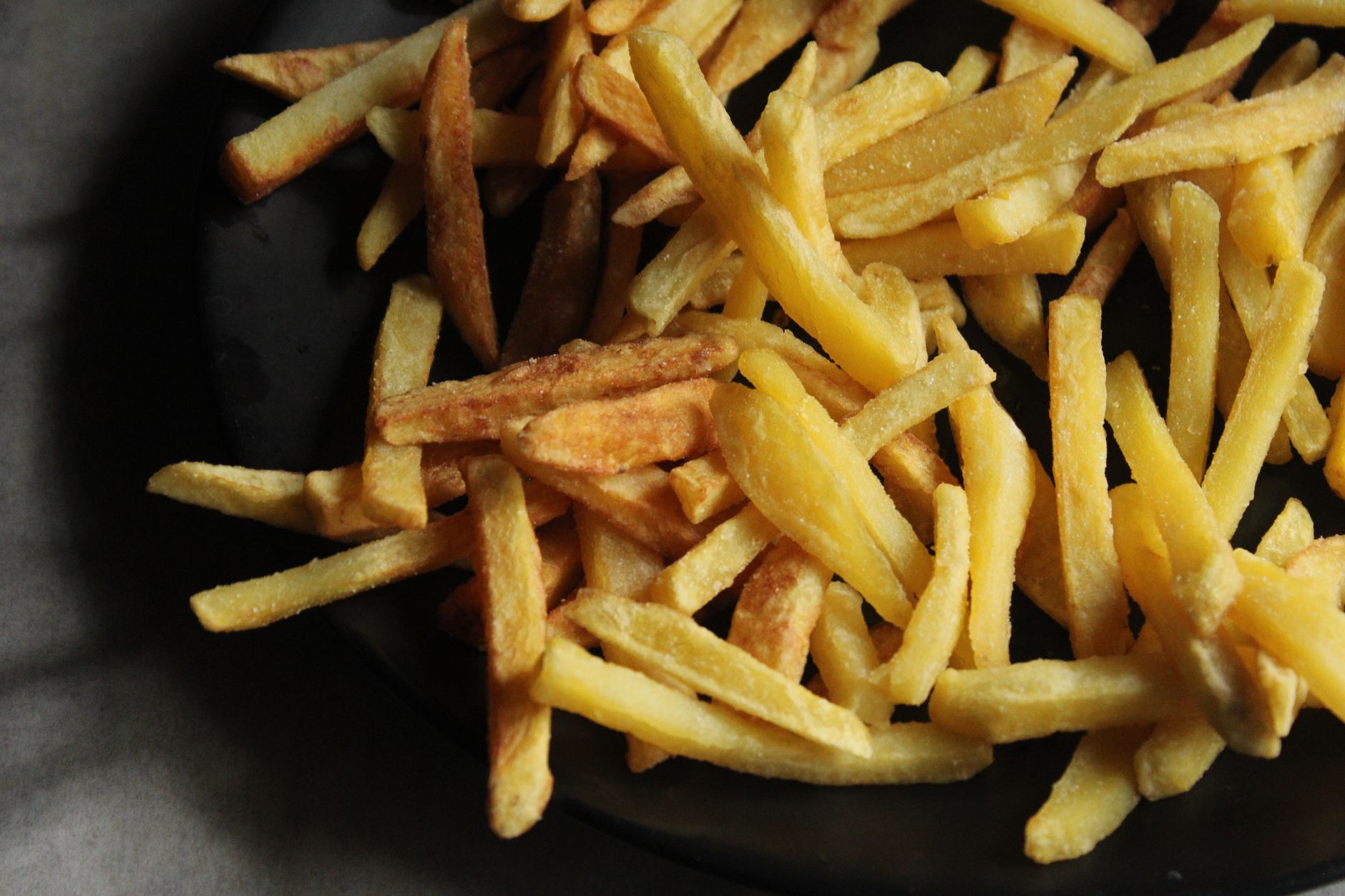
French fries are a beloved comfort food enjoyed by many around the world. They are crispy on the outside, soft on the inside, and come in various cuts and styles. However, for individuals with gluten sensitivities or celiac disease, understanding whether french fries contain gluten is crucial.
This article will explore the gluten content in french fries, including the ingredients and possible cross-contamination during preparation. We will also cover cooking methods, variations, and tips for enjoying gluten-free fries.
Do French Fries Have Gluten?
Generally, traditional french fries made from potatoes are gluten-free. Pure potatoes, whether they are fresh, frozen, or pre-packaged, do not contain gluten. However, it’s essential to be cautious, as gluten can be introduced through cross-contamination, additives, and other ingredients used during preparation. It’s always best to check specific brands and preparation methods to ensure safety.
Understanding Gluten
Gluten is a protein found in wheat and other grains, including barley and rye. It gives bread and other baked goods their elasticity and chewiness. For those with celiac disease, consuming gluten can lead to severe digestive issues and other health complications. Therefore, it’s important to identify gluten-containing foods.
How French Fries Are Made
To determine if french fries have gluten, it’s vital to examine how they are typically produced:
- Ingredient Selection: French fries are primarily made from potatoes. Other potential ingredients like oils and seasonings need to be considered for gluten content.
- Preparation Methods: French fries can be prepared in various ways: deep-fried, baked, or air-fried. The preparation method can influence whether gluten is present.
- Cross-Contamination: This is a significant concern, especially in restaurants where fries may share fryers with gluten-containing foods.
Ingredients in French Fries
When considering whether french fries contain gluten, it’s important to evaluate each ingredient:
- Potatoes: Fresh potatoes are gluten-free and the foundational ingredient in french fries.
- Cooking Oil: Most vegetable oils, such as canola or sunflower oil, are gluten-free. However, some flavored oils or oil blends may contain gluten, especially if they have added seasonings or flavorings.
- Seasonings: Store-bought seasonings may include gluten, particularly those that have fillers. Check ingredient labels to ensure they are gluten-free.
- Frozen Fries: Many commercially prepared frozen fries are made specifically gluten-free, but some brands may use added ingredients that contain gluten or be processed in facilities that do. Always verify labels.
- Batter or Coatings: Some establishments offer battered fries or those coated in seasonings that may contain gluten. It’s essential to identify if any batter used has wheat flour.
Checking for Gluten in French Fries
To determine if french fries contain gluten, here are some steps to follow:
- Read Labels: If purchasing packaged frozen fries, always read the ingredient list and look for any gluten-containing ingredients.
- Inquire at Restaurants: If dining out, ask staff if the fries are cooked in oil that is shared with gluten-containing foods or if they use any flour-based coatings.
- Look for Gluten-Free Options: Many restaurants now offer gluten-free french fry options that are cooked separately to avoid cross-contamination.
Cross-Contamination Risks
Cross-contamination occurs when gluten-free foods come into contact with gluten-containing ingredients. In the case of French fries, here are some common situations that could lead to cross-contamination:
- Shared Fryers: If fries are cooked in the same oil as breaded items, they may absorb gluten particles.
- Utensils and Surfaces: Shared cooking equipment, cutting boards, or utensils can introduce gluten if not cleaned properly.
- Handling by Staff: If staff members do not take care to manage cross-contact, gluten could find its way into otherwise gluten-free options.
Cooking French Fries at Home
Preparing french fries at home is an excellent way to ensure they are gluten-free. Here’s a simple approach to making your own fries:
Classic French Fries Recipe
This recipe yields delicious, homemade gluten-free french fries that are crispy and golden.
Yield: About 4 servings
Preparation Time: 15 minutes
Cooking Time: 30 minutes
Total Time: 45 minutes
Ingredients
- 4 medium-sized russet potatoes
- Oil for frying (such as canola or peanut oil)
- Salt to taste
- Optional: pepper, garlic powder, or other gluten-free seasonings
Essential Equipment
- Sharp knife
- Cutting board
- Deep fryer or large pot
- Slotted spoon or spider for removing fries from oil
- Paper towels for draining excess oil
Method
- Wash and peel the russet potatoes, then cut them into sticks about 1/4 inch wide.
- Soak the cut potatoes in cold water for at least 30 minutes; this removes excess starch and helps achieve crispiness.
- Heat oil in a deep fryer or large pot to 350°F (175°C).
- Drain and pat dry the soaked potatoes before frying to avoid excess moisture.
- Fry the potatoes in batches, being careful not to overcrowd the pot. Cook for about 5-7 minutes or until golden brown and crispy.
- Remove fries using a slotted spoon and place them on paper towels to drain any excess oil.
- Season with salt and any other desired spices while still hot.
- Serve immediately and enjoy!
Variations on French Fries
There are countless ways to enjoy french fries, many of which are inherently gluten-free:
- Sweet Potato Fries: Made from sweet potatoes for a different flavor and nutrition profile. These can also be oven-baked for a healthier option.
- Loaded Fries: Topped with gluten-free cheese, bacon, and green onions for a flavorful snack.
- Fries with Dips: Serve with gluten-free dips, such as sriracha mayo, garlic aioli, or BBQ sauce.
- Herbed Fries: Season with fresh or dried herbs like rosemary or thyme to elevate flavor.
Common Mistakes When Cooking Fries
Even simple french fries can be a challenge if you don’t watch for these mistakes:
- Not Soaking the Potatoes: Skipping the soaking step can lead to fries that are soggy instead of crispy.
- Overcrowding the Pot: Cooking too many fries at once can lower the oil temperature, preventing them from frying correctly.
- Neglecting to Dry Fries: Not drying soaked potatoes before frying can lead to oil splattering and soggy fries.
- Incorrect Oil Temperature: Make sure the oil is hot enough to properly fry the fries and achieve that delightful crunch.
Storing and Reheating French Fries
Storing leftovers properly can keep them crispy longer:
- Storage: Allow fries to cool completely before placing them in an airtight container. They can be stored in the refrigerator for up to 3 days.
- Reheating: For best results, reheat in an oven or air fryer to ensure they regain their original crispiness. Using the microwave may make them soggy.
Enjoying French Fries at Restaurants
When dining out, it’s essential to navigate menu selections carefully:
- Ask Questions: Don’t hesitate to ask about how the fries are prepared and if they have gluten-free options.
- Look for Dedicated Gluten-Free Menus: Some restaurants offer separate gluten-free menus, which can simplify choices.
- Be Mindful of Cross-Contamination: Always verify that the restaurant takes necessary precautions to keep your meal gluten-free.
Exploring Alternative Frying Methods
If you’re looking for healthier alternatives, consider these cooking techniques for french fries:
- Baking: Toss cut potatoes with a little olive oil and seasonings, then bake at 425°F (220°C) for 25-30 minutes until crisp.
- Air Frying: Use an air fryer to create crispy fries with significantly less oil. Season and cook at 375°F (190°C) for 15-20 minutes, shaking halfway through.
- Grilling: For a smoky flavor, try grilling potato wedges brushed with oil. Cook over indirect heat until tender.
Conclusion
French fries themselves typically do not have gluten, but vigilance is necessary due to potential cross-contamination and the addition of gluten-containing ingredients. Whether cooking at home or dining out, understanding how to identify and prepare gluten-free fries can allow everyone to enjoy this delicious treat safely.
Next time you crave crispy fries, consider using fresh potatoes and your preferred cooking method to ensure a gluten-free experience. Explore related recipes, cooking tips, or food guides to expand your culinary repertoire, such as understanding gluten in potatoes or making your own batter recipe.